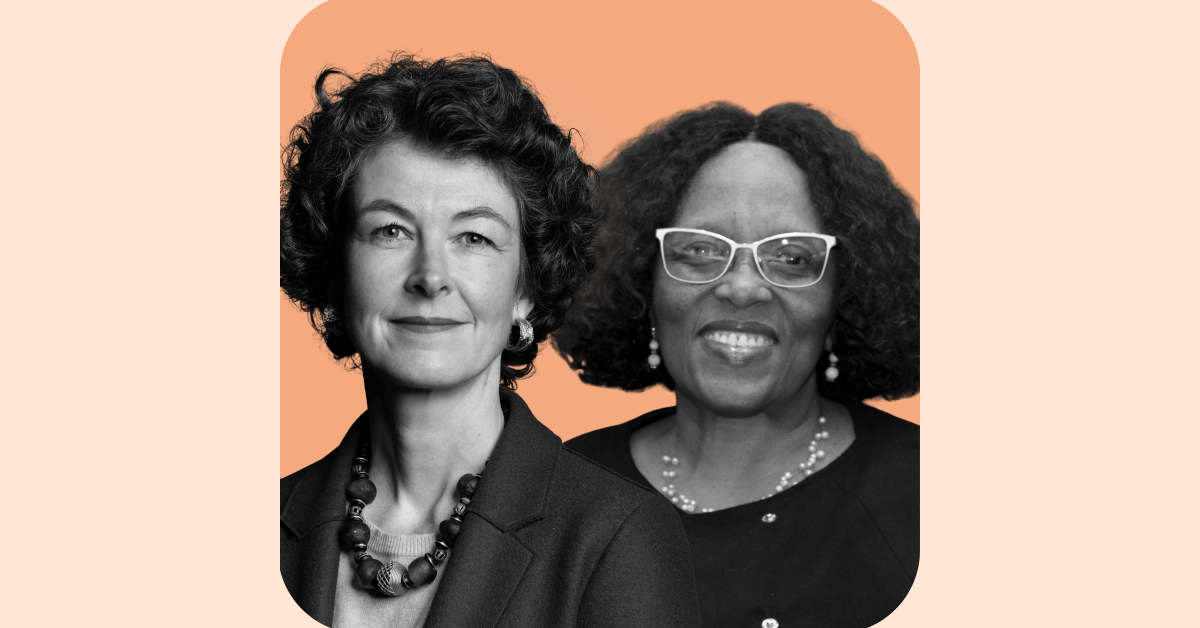
In May 2025 the World Health Organization’s member states adopted the first-ever global pandemic agreement. The document lays the groundwork for worldwide collaboration in preventing and tackling future pandemics, in order to ensure quick manufacture and fair distribution of vaccines and treatments, among other goals. Co-chairs Precious Matsoso, former director-general of South Africa’s department of health, and Anne-Claire Amprou, French ambassador for global health, guided the three years of negotiations, which were often contentious. “One of the most difficult things we had to do was to build trust” between regions, says Matsoso. “I kept on asking them–look, we’re negotiating at a time where we’re no longer wearing masks and we’re no longer social distancing. If we’re in this room at a time when we’re wearing masks, would we come up with a different outcome?” The next step is agreeing on an addendum that provides for quick information sharing about pathogens, which is proving controversial as high-income countries and middle- and low-income countries differ on how much they think should be made publicly available. Then, for the agreement to enter into effect, 60 countries will need to ratify it.