
 image:
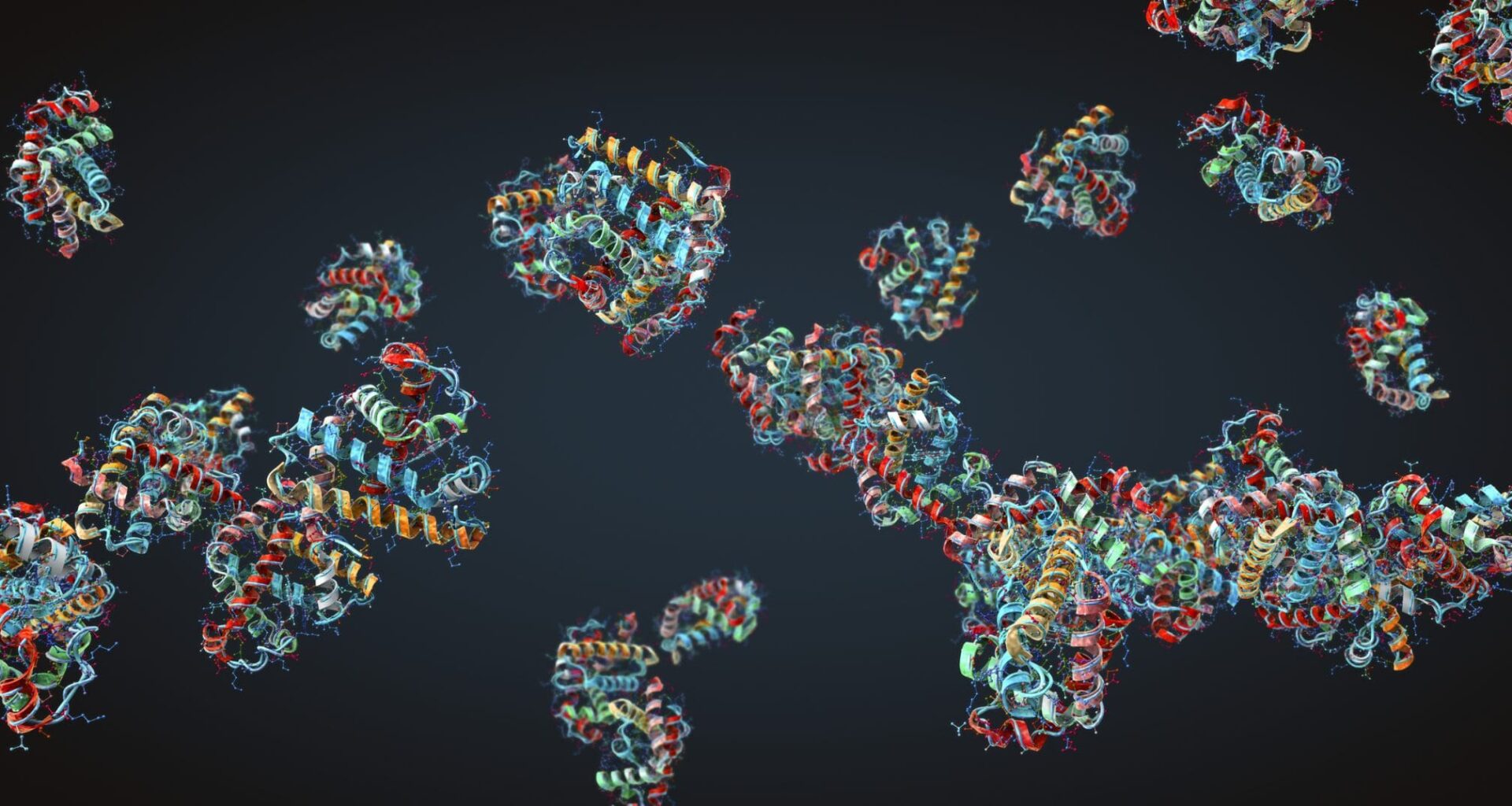
Researchers at the University of Oxford have engineered quantum-mechanical processes within proteins for the first time
These quantum-enabled proteins create a new class of biomolecules that could transform biotechnology and medical imaging.
This breakthrough, published in Nature, could shift observations of quantum effects in living systems from mere curiosity to deliberate design for practical use.
The study was led by Oxford’s Department of Engineering Science, in collaboration with colleagues from the Department of Chemistry and international partners across Europe, Asia and Australia.
Designing quantum effects in biology
Quantum phenomena have always been suspected to play a role in certain natural processes, such as how birds navigate using the Earth’s magnetic field. Until now, these effects had never been intentionally engineered within biological systems to build new technologies.
The Oxford team created magneto-sensitive fluorescent proteins (MFPs), biomolecules that respond to magnetic fields and radio waves via quantum-mechanical interactions. When exposed to light of a specific wavelength, the proteins emit fluorescent light. The intensity of this fluorescence can then be modulated by applying carefully tuned magnetic or radio-frequency fields.
This capability effectively turns the proteins into tiny quantum sensors embedded within living cells. It represents a new frontier in biotechnology, where quantum physics and molecular biology intersect to produce tools with unprecedented sensitivity and precision.
To develop the new proteins, the researchers used a technique known as directed evolution. This method introduces random mutations into the DNA sequence encoding a protein, generating thousands of slightly different variants. The most promising candidates are selected and subjected to further rounds of mutation and screening.
After many cycles, the team produced proteins with dramatically enhanced magnetic-field sensitivity. Rather than designing a quantum sensor entirely from first principles, the researchers used evolutionary processes inside bacteria to refine the molecules step by step.
The work required a highly interdisciplinary approach, combining engineering, biology, quantum physics and artificial intelligence. By integrating these fields into a single research programme, the team optimised protein performance while simultaneously uncovering the underlying quantum mechanisms.
Quantum-enhanced medical imaging
As part of the study, the researchers built a prototype imaging instrument capable of detecting the engineered proteins using a mechanism similar to Magnetic Resonance Imaging (MRI). Unlike conventional MRI, which images bulk tissue properties, this approach could potentially track specific molecules or patterns of gene expression inside living organisms.
Applications may include monitoring genetic changes within tumours, improving targeted drug delivery and studying cellular processes in real time. The ability to label and track specific proteins using quantum-sensitive signals opens the door to diagnostics and therapies that operate at the molecular level.
The proteins themselves originated from a natural source, showing the unpredictable pathways that can connect basic science to technological innovation. Insights into the quantum processes within engineered proteins were informed by decades of research on magnetoreception in birds, demonstrating how fundamental discoveries in one field can enable breakthroughs in another.