
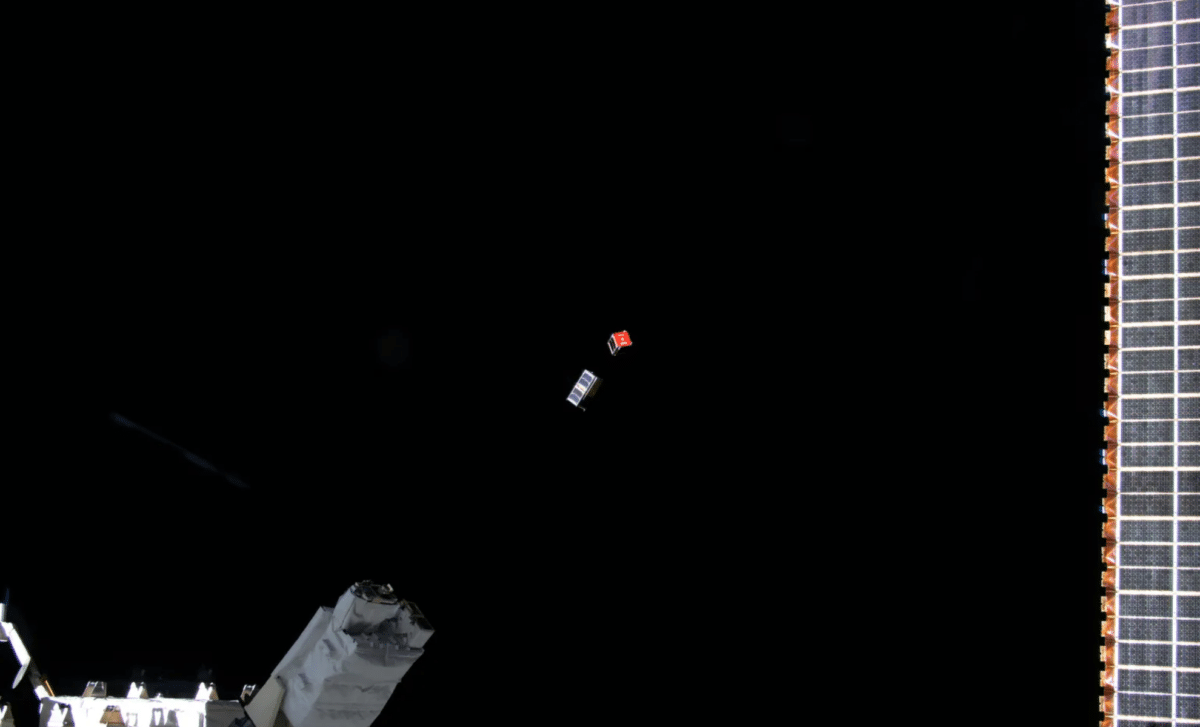
The use of CubeSats, small, cost-effective satellites, has revolutionized the field of space exploration and scientific research. These compact spacecraft, developed by students from countries like Mexico, Italy, Thailand, Malaysia, and Japan, have taken on increasingly important roles in Earth observation and technology demonstration. As noted in the article published by NASA, CubeSats have become an indispensable part of modern space missions.
The Rise of CubeSats: A New Era in Space Exploration
In recent years, CubeSats have emerged as a game-changer in the world of satellite technology. Unlike traditional satellites, which are typically large and costly to deploy, CubeSats are small, lightweight, and affordable. Typically weighing between 1 and 10 kilograms, these nanosatellites are designed with a standardized form factor, allowing them to be produced and launched at a fraction of the cost of their larger counterparts. This has led to an explosion in their usage, with CubeSats now being deployed for a variety of missions, including Earth observation, environmental monitoring, and scientific research.
CubeSats are an excellent platform for conducting space-based experiments, as they are relatively easy to build and maintain. They are often used by academic institutions to test new technologies in space, providing students and researchers with an invaluable opportunity to gain hands-on experience in space science and engineering. Additionally, these small satellites can be launched as secondary payloads on larger missions, allowing for cost-sharing and further reducing the expense of space exploration.
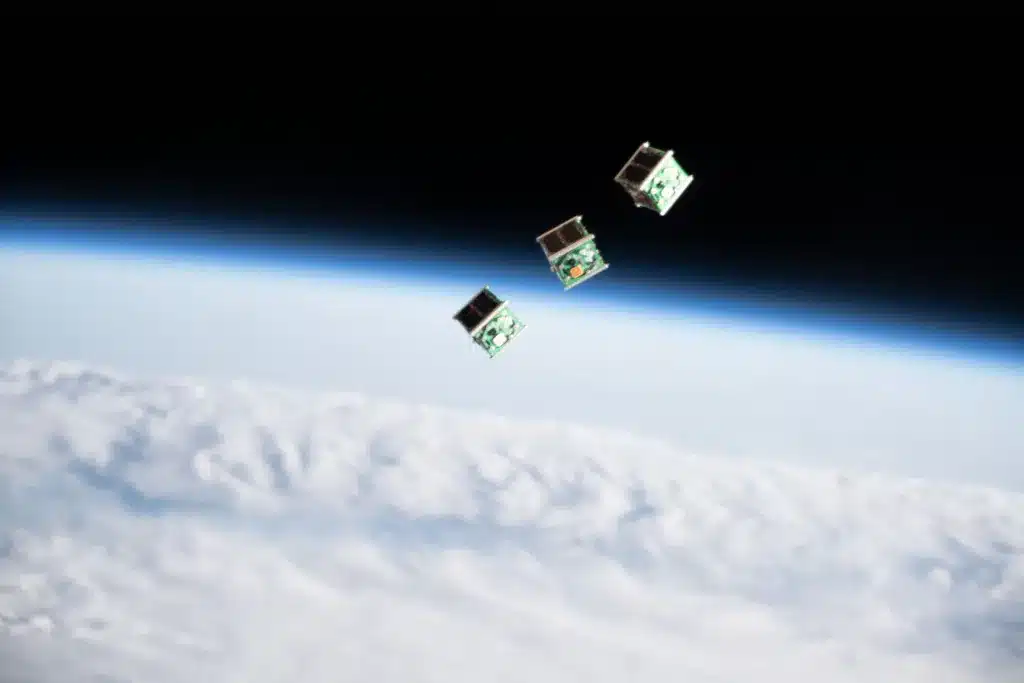 Three Cubesats Are Ejected Outside The Kibo Laboratory Module. Credit: NASA
How CubeSats Are Revolutionizing Earth Observation
One of the key areas where CubeSats are making a significant impact is Earth observation. Equipped with high-resolution cameras, sensors, and other instruments, CubeSats are being used to monitor climate change, track natural disasters, and study environmental conditions from space. According to NASA, their ability to collect data on a global scale, at a fraction of the cost of traditional satellites, makes them an essential tool for scientists and researchers.
CubeSats provide valuable insights into environmental phenomena, such as deforestation, melting ice caps, and changes in vegetation. For example, CubeSats have been used to monitor the effects of wildfires, providing real-time data that can be used to predict the spread of fires and assess damage. This information can be vital for disaster response and for creating more effective strategies to combat climate change.
The International Collaboration Behind CubeSats
What makes the CubeSat missions even more remarkable is the international collaboration behind them. Students and researchers from countries all around the world, including Mexico, Italy, Thailand, Malaysia, and Japan, have come together to design and build CubeSats for a variety of missions. This international effort fosters innovation and allows for the exchange of ideas and knowledge between nations.
The development of CubeSats has sparked a new era of collaboration in the space industry. By pooling resources and expertise, countries are able to conduct groundbreaking research and develop technologies that would have been difficult to achieve independently. This global cooperation is a key factor in the success of CubeSat missions and helps to drive the industry forward.
NASA’s Role in Advancing CubeSat Technology
NASA has played a significant role in the development and deployment of CubeSats. The space agency has been instrumental in advancing CubeSat technology, providing support for missions that involve CubeSats and working with international partners to ensure their success. NASA’s involvement has helped to propel CubeSats into the mainstream, making them a vital part of space exploration.
As part of their ongoing efforts, NASA continues to experiment with CubeSat technology, exploring new applications and mission concepts that could help to solve some of the most pressing challenges facing humanity. The agency’s commitment to CubeSat research has led to numerous innovations, and it is likely that CubeSats will continue to play a crucial role in space missions for years to come.
CubeSats and Their Impact on Technology Demonstration
In addition to their use in Earth observation and scientific research, CubeSats are also being used for technology demonstrations. These small satellites provide a low-cost platform for testing new technologies in space before they are deployed on larger missions. For example, CubeSats have been used to test propulsion systems, communications technologies, and sensors, among other innovations.
The ability to quickly and cheaply test new technologies in space is a game-changer for the space industry. Traditionally, developing new space technologies has been an expensive and time-consuming process, with large-scale missions often required to test new systems. CubeSats have eliminated many of these barriers, allowing for rapid prototyping and testing.