
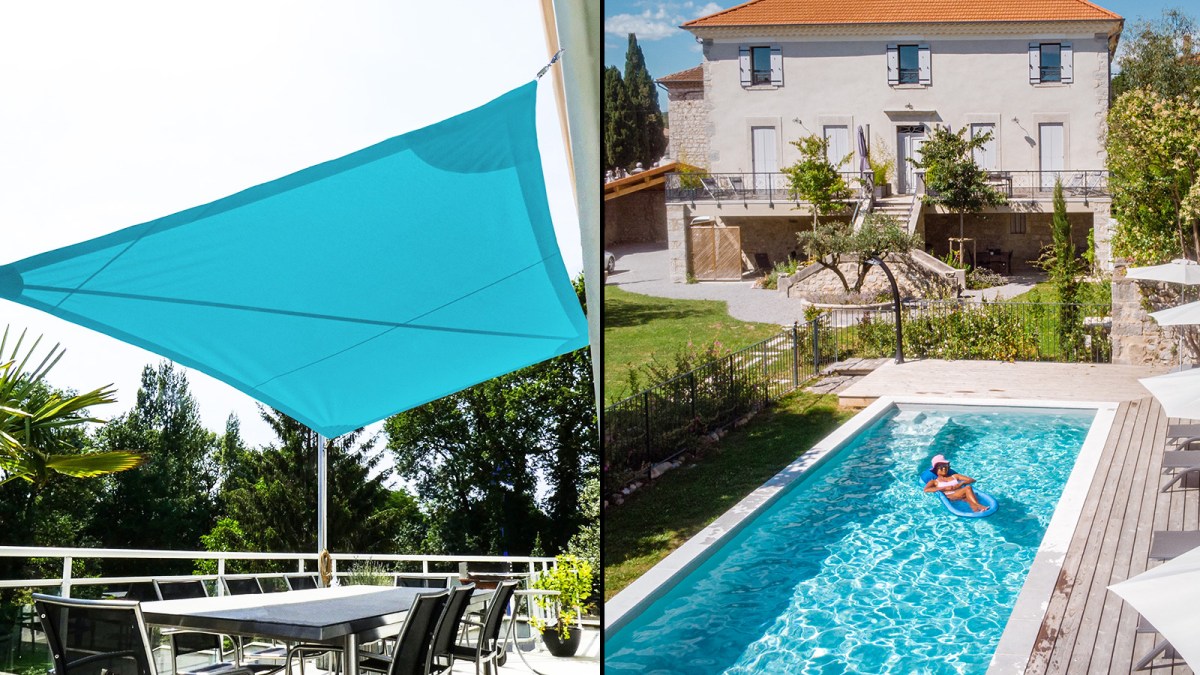
The birthday party was in full swing and guests were sheltering under a blue parasol from the southern French summer sun. Few paid attention to the light aircraft flying overhead, much less to its camera photographing the ground below.
The first that Marcel Carrasquet, the homeowner, knew of it was when he received an email from tax officials in the summer of 2023.
They had been alerted by an artificial intelligence program that had supposedly uncovered a private swimming pool on his 20-hectare former vineyard in Monein in the French Pyrenees. The pool affected the value of his home and, in consequence, his property tax bill.
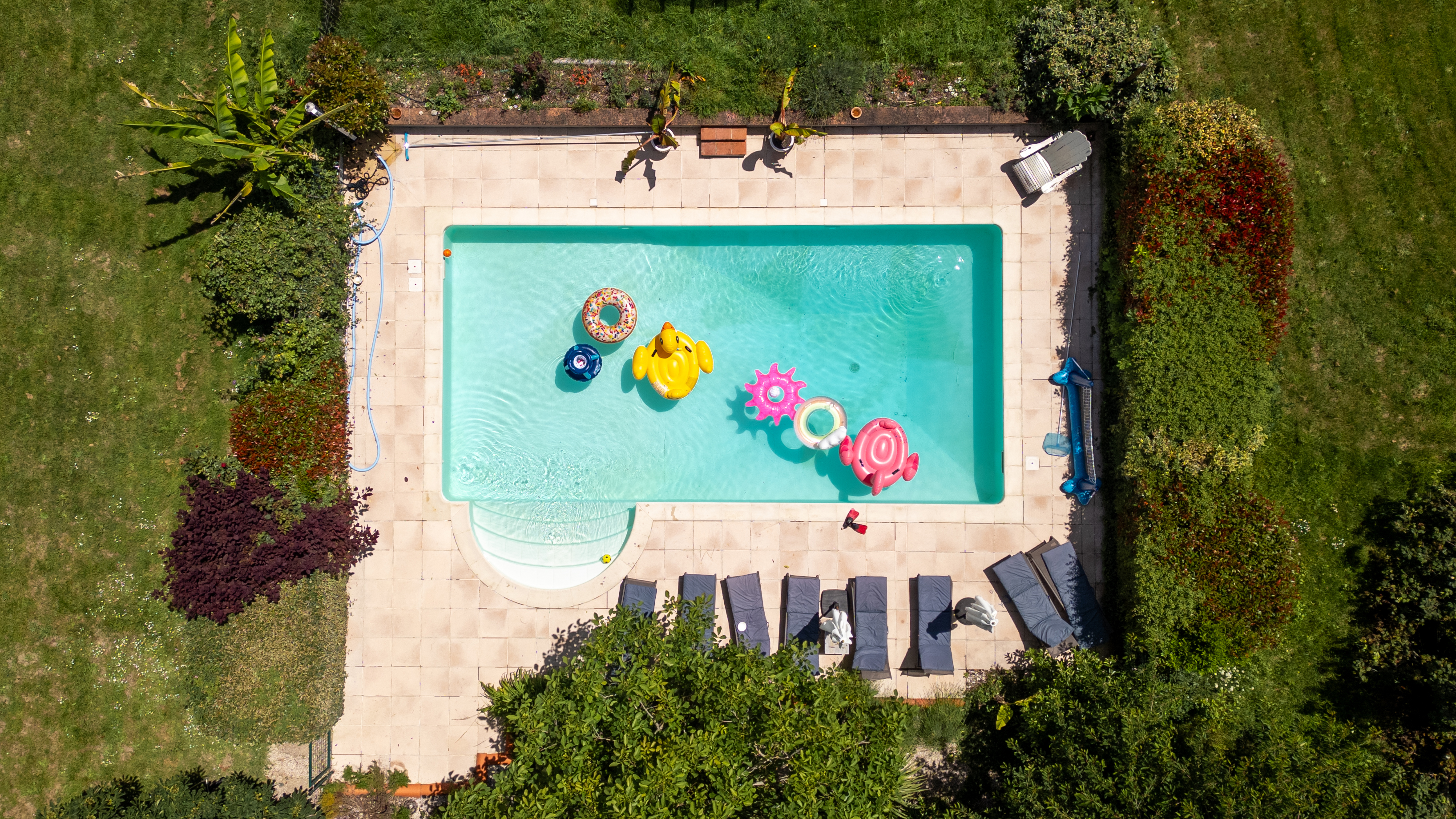
Swimming pools in France captured by drone cameras
GETTY IMAGES
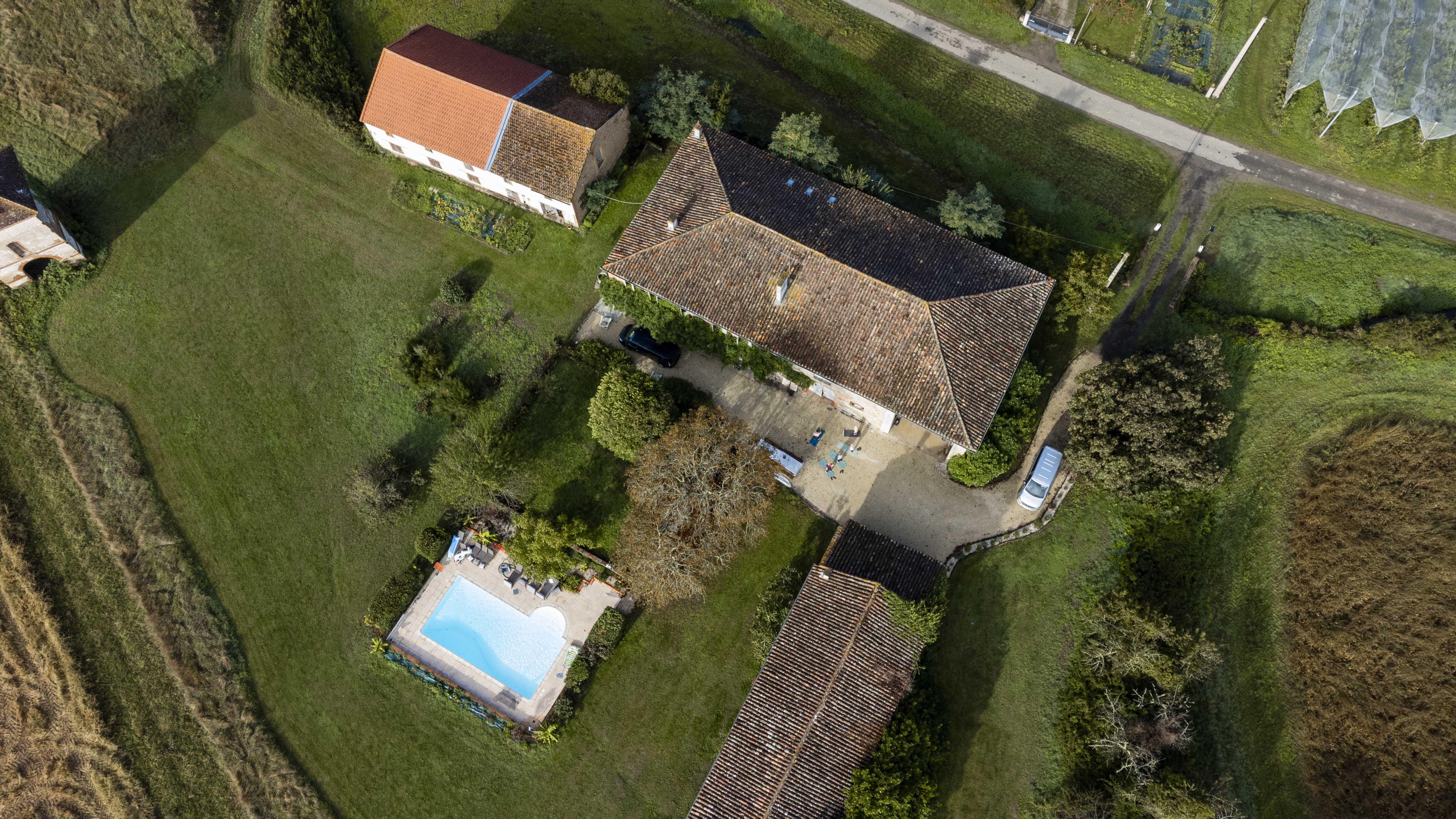
The tax authorities have used artificial intelligence to detect more than 120,000 undeclared pools since 2022. Local councils generated an additional €40 million in tax revenue in 2024 when the first bills were sent out after the introduction of AI, according to the government.
The only problem was that Carrasquet, 65, did not have a pool.
He said: “When you get something like that from the General Directorate of Public Finances, you are scared. You think, ‘What have I done?’.”

Two months and dozens of calls later, a public surveyor conceded that the finance ministry’s €24 million AI was not foolproof. Programmed to pick out anything blue on the ground, it sometimes mistakes tarpaulins and plastic sheeting for pools. In this case, Carrasquet believes that an aerial photograph must have been taken on the day of the birthday party and that the system had mistaken the rectangular “blue lagoon” coloured parasol for water. “The photograph must have been very imprecise,” he said.
When AI was introduced in the hunt for undeclared pools, the error rate was said to be 30 per cent. Now, finance ministry officials have said, the error rate is between 5 and 10 per cent, and improving all the time. When a false positive is identified, the information is fed into the system, which learns from its own mistakes.

The finance ministry said that AI-generated information was always checked by officials before tax bills were sent out. However, critics say the system is far from perfect. On occasion, it correctly identifies a pool but attributes it to the wrong property. In such instances, homeowners can have their property tax raised because of a neighbour’s pool.
The system has recently been extended to check on outbuildings, which also affect the property tax level. It is supposed to pick out barns, sheds and other constructions of between 60 sq m and 200 sq m that owners have not mentioned in property tax declarations.
However, Thibault Bavière, of the public finance section of the Confédération Générale du Travail (CGT) union, said: “What we see as an object it sees as an assembly of pixels.”
• Robert Colvile: If you’re not terrified by AI, you’re not paying attention
The program was developed by Capgemini, the French IT company, and the data it produces is stored by Google. It scans aerial photographs taken by the National Institute of Geographical and Forestry Information, locating what it identifies as pools on the national cadastre and checking the information against the property owner’s declaration.
Tested recently in the rural Maine-et-Loire département in western France, the AI mistook a cheesemonger’s van at a village market for an outbuilding, Bavière said. He added: “The argument in favour of AI is that it is faster. But humans are fairer and there are fewer disputes. Public surveyors will meet the person concerned and explain their rights.”
Laurent Bancon, also of the CGT, said he was afraid that the AI system would eventually improve to the point of putting public surveyors out of work. “It’s a double penalty,” he said. “It makes mistakes we would not make and we are forced to correct them. And by correcting them, we improve the system.”