
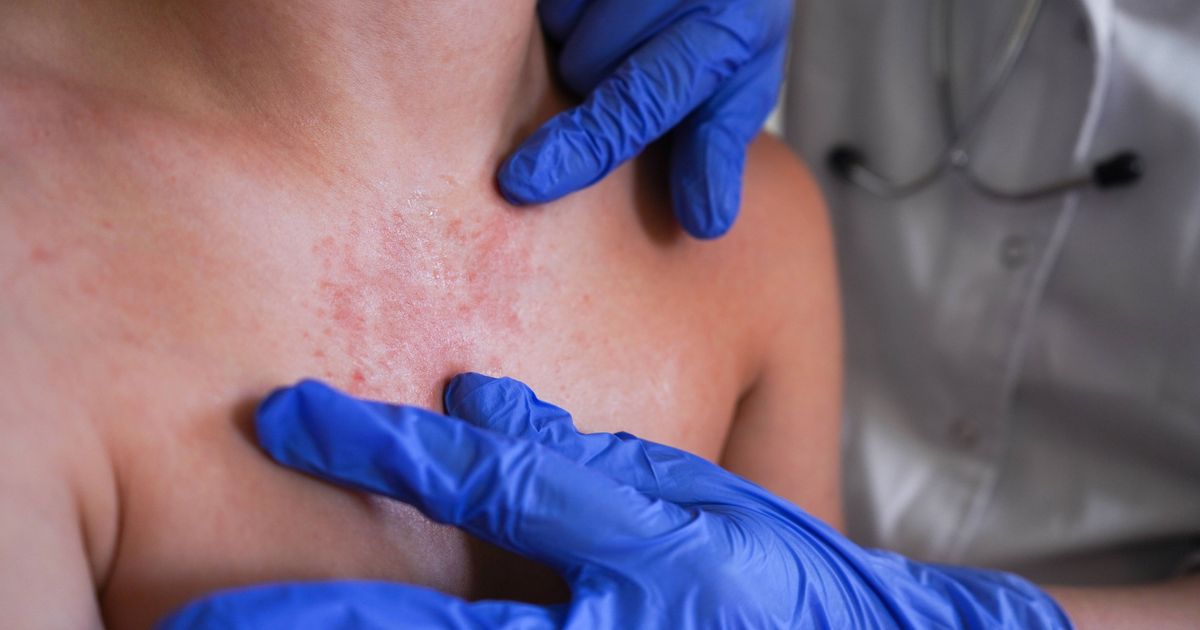
A health expert is warning that some conditions once closely associated with the Victorian era are making a comeback
10:28, 12 Feb 2026Updated 11:47, 13 Feb 2026
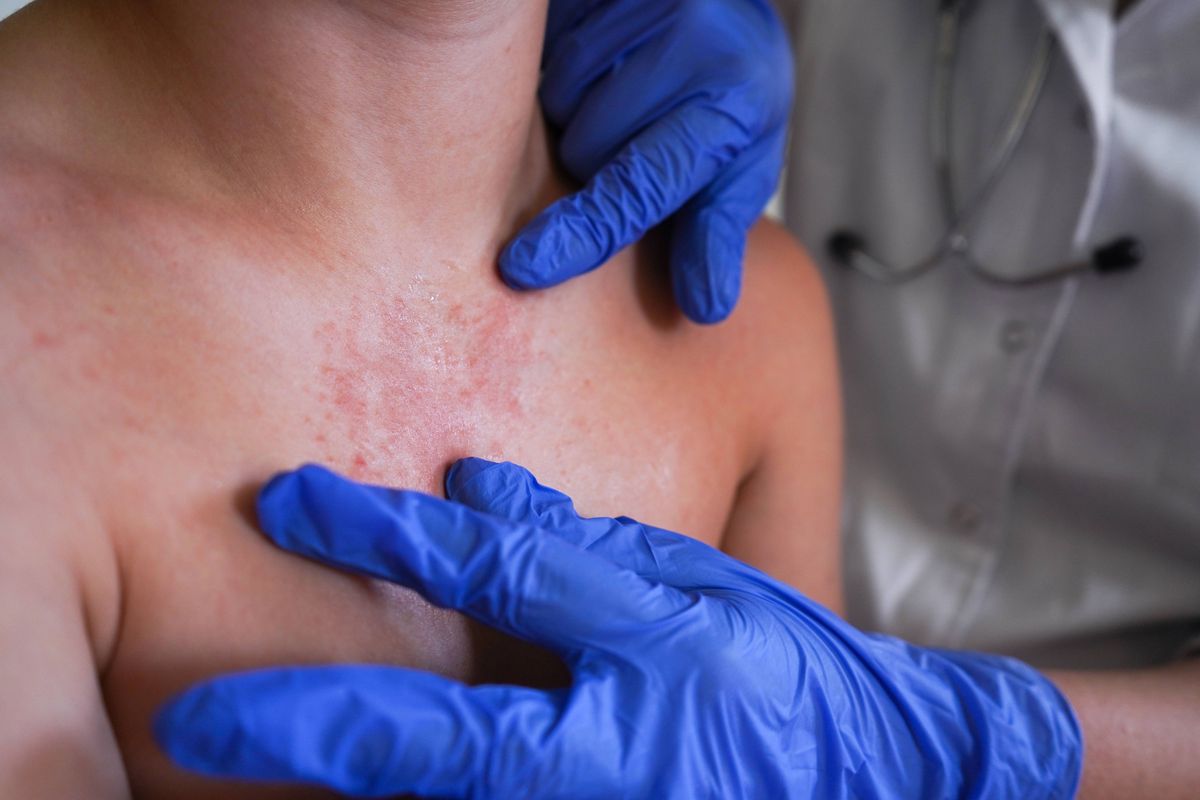
The UK is no longer measles-free(Image: Irina Starikova via Getty Images)
As the premiere of Wuthering Heights transports viewers back to the harsh realities of 19th-century existence, medical professionals are cautioning that certain ailments once strongly linked with that period are “resurfacing”. One expert has underlined the significance of awareness, prevention and healthcare access.
Superdrug’s Pharmacy Superintendent, Niamh McMillan, has identified four conditions that many might assume have been relegated to the history books, but are staging an unwanted return.
Victorian-era diseases on the increaseMeasles
“Measles is often thought of as a disease of the past, but it remains highly contagious and can spread very quickly where vaccination rates are lower,” explained Niamh.
Nevertheless, following the UK’s recent loss of its measles elimination status, the illness is evidently not confined to history and continues to pose a significant public health threat today.
Niamh added: “Early symptoms such as a high temperature, cough, runny nose and sore eyes can easily be mistaken for other viral illnesses, so it’s important to seek medical advice if symptoms worsen or there is any uncertainty.
“Vaccination has been one of the most effective public health measures in history and remains key to preventing measles. The best way to protect yourself and others is through the MMR vaccine, which provides long-term immunity and is suitable for both adults and children.
“Two doses are recommended for full protection. Superdrug’s nationwide high street clinics offer the MMR vaccination service for £45 per dose, and appointments are available to book online.”

Superdrug’s Pharmacy Superintendent Niamh McMillan(Image: Superdrug)
Since January 1, 2026, children have been offered a combined measles, mumps, rubella and varicella (MMRV) vaccine instead of measles, mumps and rubella vaccine (MMR), as part of the childhood routine two-dose vaccination schedule. The MMRV vaccine offers the same protection as the MMR vaccine but adds protection against chickenpox. Dose one is offered at one year of age and dose two is offered from three years four months, at the new 18-month appointment.
The UKHSA said that the vaccine would help reduce cases of chickenpox and protect children from serious complications that can cause hospitalisation, such as bacterial infections like strep A, brain and lung inflammation and stroke. Older children and adults born on or before December 31, 2019, who are not up to date can be caught up with the measles, mumps and rubella (MMR) vaccine. Both doses of the vaccine are free to anyone at any age on the NHS – it is never too late to catch up. The UKHSA said that people who are unsure of their or their child’s vaccination status should speak to their GP.
Yellow fever
“Yellow fever is often associated with historical outbreaks, but it is still present in parts of the world today,” explained Niamh.
“While it isn’t found in the UK, international travel means it remains an important health consideration for those visiting at-risk regions.”
She continued: “Symptoms can range from fever, headache and muscle pain to more serious complications in severe cases, which is why seeking travel health advice ahead of travelling is so important. Vaccination is the most effective way to protect against yellow fever, and many countries require proof of vaccination for entry.”
Scurvy
“Scurvy is a disease caused by a vitamin C deficiency and is most famously associated with British sailors in the 18th and 19th centuries who didn’t have access to fresh food during long voyages,” explained Niamh.
“While it’s considered rare in developed countries, it hasn’t disappeared entirely. People with limited access to fresh fruit and vegetables or poor dietary habits can still be affected, and with the current cost-of-living crisis, it has become a modern-day concern for many.
“Early symptoms can be subtle and are often mistaken for other conditions. Common signs include fatigue and weakness, swollen or bleeding gums, joint pain, easy bruising and slow wound healing.
“The best way to prevent scurvy is by ensuring adequate vitamin C intake through diet, but supplements can be a useful option for those who struggle to meet their needs through food alone. Superdrug’s Own Brand Vitamin C supplements offer a convenient and affordable way to help support daily vitamin C intake.”
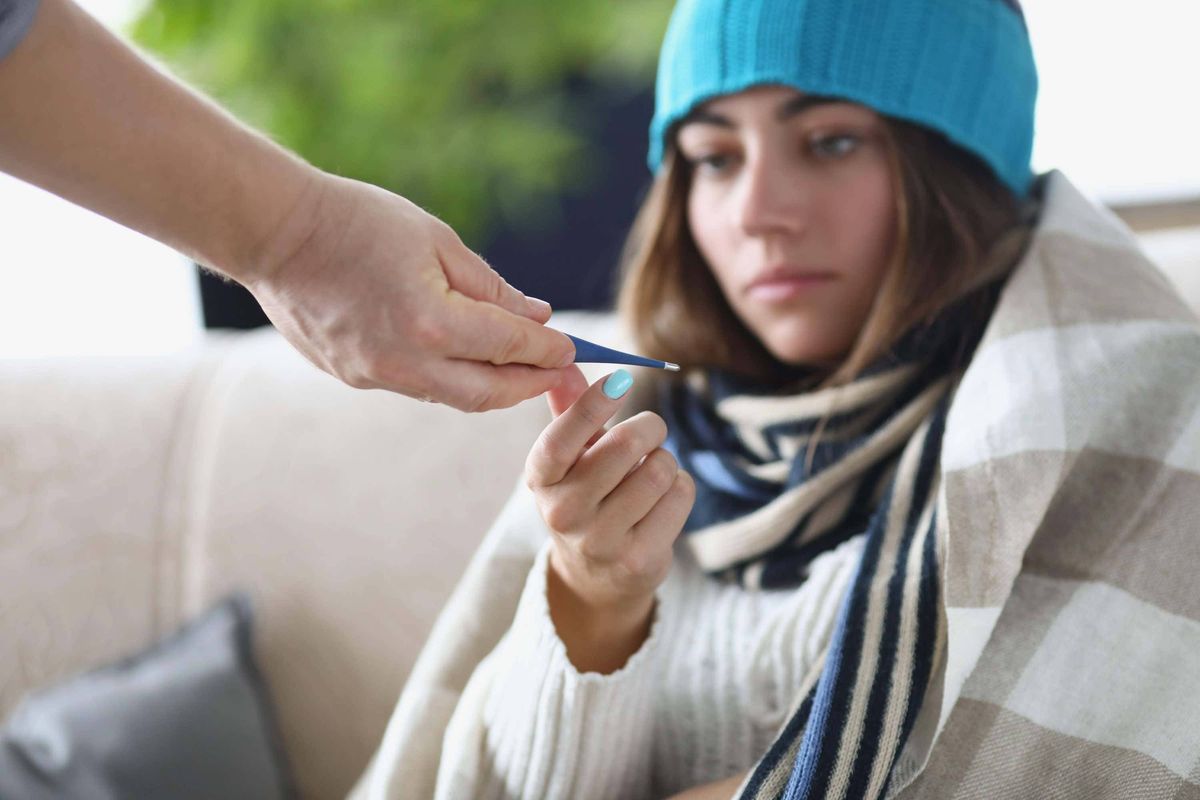
Measles is ‘re-established’ in the UK(Image: Alamy/PA)
Gout
“Gout is a type of inflammatory arthritis that is often associated with Victorian Britain, but it remains a common condition in the UK today,” Niamh explained.
“It typically presents as sudden and severe joint pain, most commonly affecting the big toe, but it can also impact the knees, wrists, elbows and fingers. Other symptoms include swelling, redness, tenderness and a reduced range of motion in the affected joint.
“Several factors can increase the risk of developing gout, including genetics, obesity, dehydration and consuming a diet high in purine-rich foods such as red meat and alcohol. These can raise uric acid levels in the body, which may then form crystals around the joints and cause the pain associated with gout. Modern tools, such as Superdrug Online Doctor’s Gout Uric Acid Test, can help people better understand their uric acid levels from the comfort of their own home and decide when to seek medical advice.”