
Unlock the Editor’s Digest for free
Roula Khalaf, Editor of the FT, selects her favourite stories in this weekly newsletter.
Investors have spent the past three years getting excited about what AI can do; now that the technology is starting to live up to some of those predictions, they’re panicking. If their buy-in was indiscriminate, so is the sell-off. A rout that started in software has since caught up everyone from real estate brokers to package delivery groups.
When markets are near record highs, a new “tail risk” can weigh on share prices, even if the chances of a given business being wiped out are small. But there are ways to be scientific about all this. One lesson from previous bouts of tech disruption is to differentiate between threats to a company versus threats to its employees.
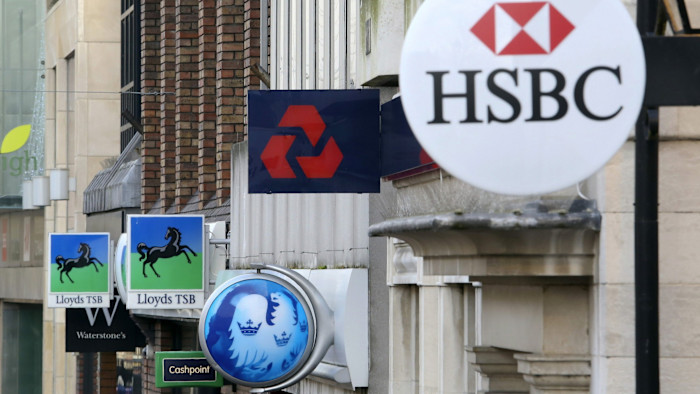
Take banking. Over the past decade, banking services for the average consumer have transformed from a branch-based model to something provided mainly through apps. That change has been difficult for tens of thousands of people — the UK’s four largest banks shed a combined 124,000 jobs between 2015 and 2024. But the companies themselves — meaning their shareholders — did fairly well. Lloyds, NatWest, Barclays and HSBC were all trading at post-financial crisis highs earlier this year.
This comparison is relevant for any business that isn’t valued solely on the basis of its tech. Logistics groups, for example, were hit after Algorhythm Holdings, a little-known penny stock, said its new tool let freight operators handle four times the volume without additional planners or dispatchers. Grim news for those workers, but potentially helpful for trucking companies themselves.
Likewise, the co-founder of AI wealth management start-up Clove told the FT that AI assistance lets a single financial adviser serve several hundred clients, rather than around 100 today. That may be concerning for the individual adviser with a more charismatic or harder-working colleague at the next desk; for a dispassionate finance chief, however, it sounds like an opportunity for cost-cutting or growth.

AI is, of course, a risk for those companies that are too lumbering and inefficient to deploy it at all, as Altruist’s Mazi Bahadori predicts. In some sectors, high-tech upstarts are already serious rivals to incumbents, raising the cost of getting left behind: digital bank Revolut now has a similar value to Lloyds, for example.
In that respect, selling stocks until companies say more about exactly how AI will impact their businesses doesn’t sound so irrational. It doesn’t help that most executives are coy about the risk to employees, talking instead about existing employees being more productive, as if AI will generate more demand for their products — something that cannot be true for all companies in all industries.
But the idea that AI natives can supplant businesses that took decades to reach scale seems unlikely. Access to capital, network effects and customer relationships have value. On their core products, mainstream banks caught up with fintechs within a few years.
The other side of this equation, of course, is what happens to those employees. It’s noteworthy that the AI wobble hasn’t yet come for providers of low-tech consumer goods and services. Perhaps investors should worry less about where white-collar workers earn their cash, and start focusing on the the places where those at risk of being displaced currently spend it.