
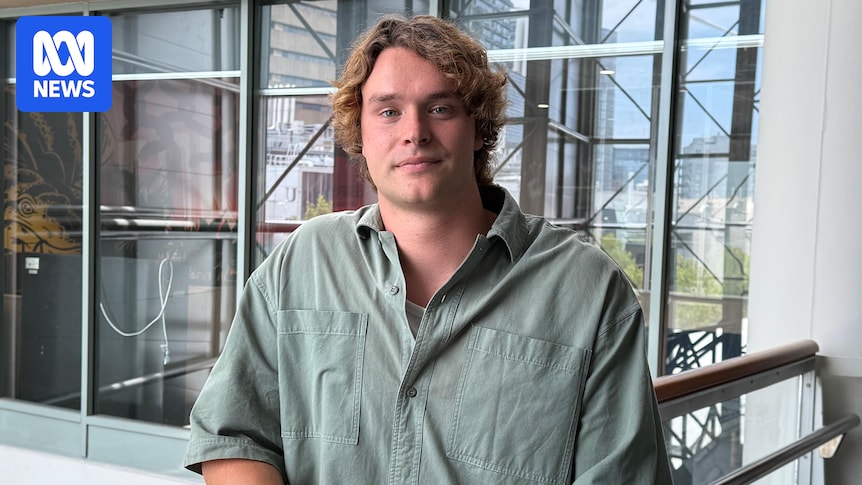
As a healthy, active 25-year-old, Kal Glanznig never imagined a simple urine test for plastic chemicals would have him questioning his future.
Not only did the test reveal that he did indeed have plastic chemicals present in his body, but he returned a result higher than the average American.
“The chemical that really stood out were these phthalates, which is a chemical that’s directly linked to infertility,” he tells triple j hack.
“I want to have a family one day.
“Having the revelation that was in me was something that just took the wind out of me.”
As a self-described “ocean advocate”, Kal speaks at global climate conferences, has been elected to Sydney’s Sutherland Shire Council, and for the past 18 months has been investigating Australia’s plastic pollution problem.
“Yes it’s polluting our beaches but we’re also losing a war on our own health every single day because of it.”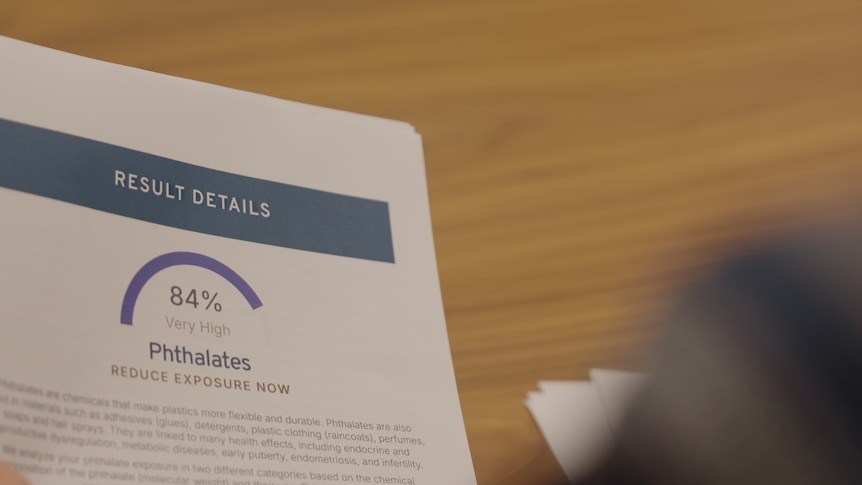
Kal Glanznig had his urine tested for plastic pollution for his documentary The Plastic Country. (Supplied: The Plastic Country)
The fight to end plastic pollution
Kal’s passion to fight plastic pollution began as a teenager, when his coach was forced to cancel a water polo training session.
“As we started swimming … there was plastic and rubbish getting all over us,” Kal says.
It led Kal on a journey that’s found him producing a documentary on the issue, The Plastic Country, which will be released later this year.
Loading…
As part of the film, the campaigner travelled to East Arnhem Land to speak with First Nations communities about the levels of pollution they’re grappling with at some of Australia’s most remote beaches.
“The impact on country is quite distressing,” he tells hack.
He has also met with veterinarians at Sydney’s Taronga Zoo.
“They’re getting all of these turtles pretty much on their deathbed with stomachs full of our plastic.
“We can think, ‘oh, it’s an overseas problem’, but all of the plastic that we’re going through … was literally plastic that I’d be like, ‘oh, I know that brand.'”
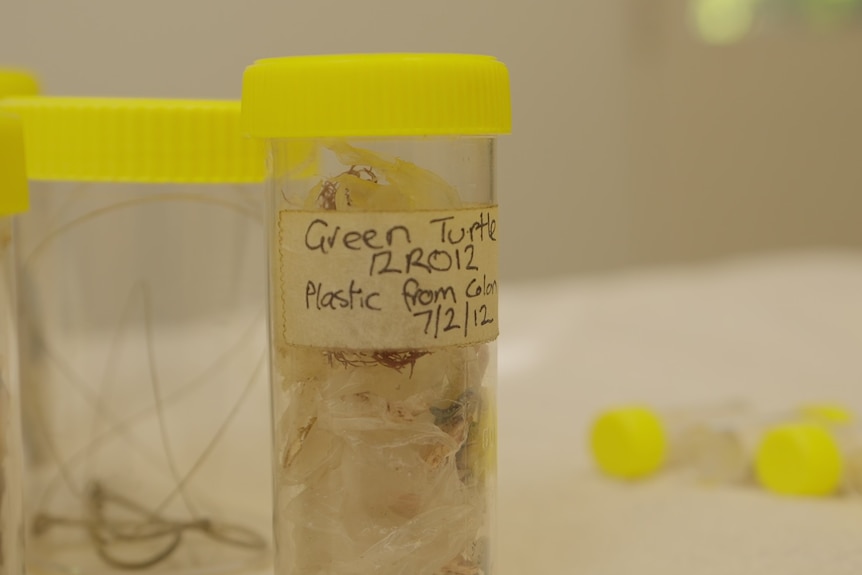
Turtles being treated at Taronga Zoo have been found to have ingested plastic. (Supplied.)
Australia’s plastic problem
Australians generate 147 kilograms of single use plastic waste per person every year, according to a report prepared for the Department of Climate Change, Energy and the Environment in 2022.
It’s estimated Australians use roughly three times more plastic than the global average.
“We have this strong connection to the environment and the ocean, but [we’ve] actually grown to be the second-largest producer of plastic waste in the world,” Kal tells hack.
In 2018 the federal government in collaboration with industry, introduced national packaging targets.
Loading Instagram content
The targets included ensuring 100 per cent of plastic packaging was recyclable or reusable by 2025, while also making sure that 50 per cent of all packaging was being recycled by 2025.
But according to government data, Australia has failed to meet the targets.
Only 14 per cent of plastic was recovered through recycling and energy production in the 2023-24 financial year.
How plastic impacts your health
Plastic is made from a combination of fossil fuels, like oil and gas, and about 16,000 chemicals.
Most of those chemicals haven’t been tested for their impact on human health.
Dr Nick Chartres is a Senior Research Fellow in the faculty of Medicine and Health at the University of Sydney, and says studies have shown plastic exposure is linked to increased risk of several health conditions.
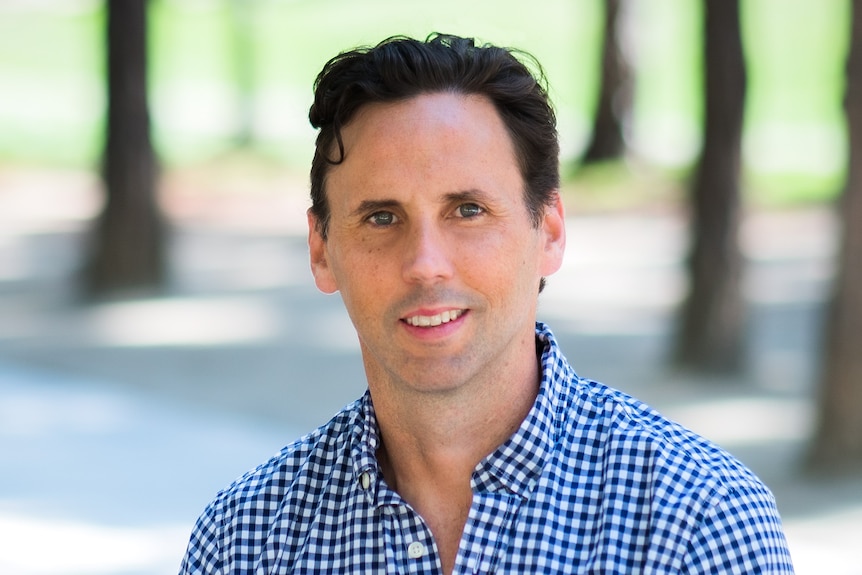
Dr Nicholas Chartres warns these unexpected PFAS hotspots calls for consistent, widespread testing. (Supplied)
“There’s lots of authoritative reviews and really good evidence around the harms these chemicals cause to human and also other living systems,” he tells hack.
“The chemicals that I’m talking about include things like PFAS chemicals … known as forever chemicals.
“Phthalates are what they call the ‘everywhere’ chemicals because they are literally everywhere.
“They’re in almost every plastic because it makes it soft and flexible.”
Recent media reporting has raised questions about the level of plastics found in human bodies.
Scientists recently told the Guardian that studies estimating the quantity of microplastics found in the human body were flawed.
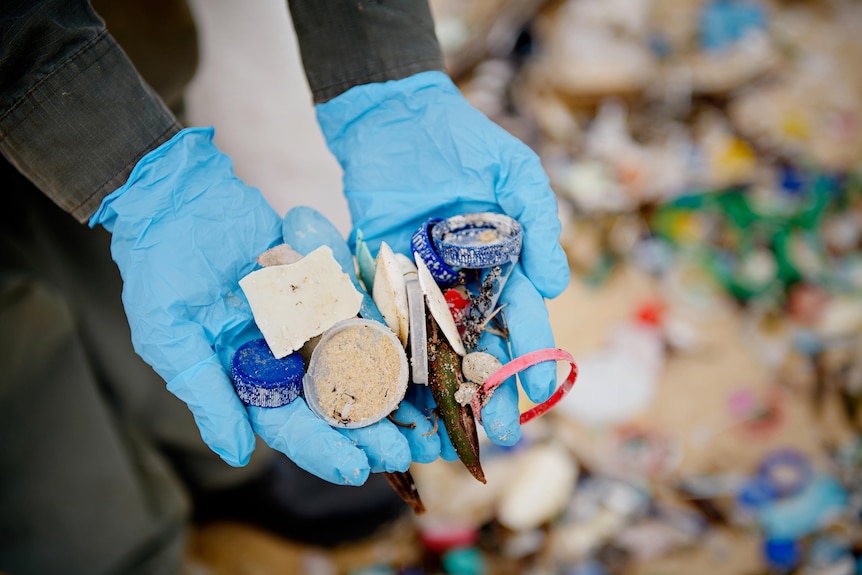
Dhimurru rangers cleaning rubbish at Little Bondi in Nhulunbuy, which is one of the many stretches of East Arnhem Land coastline littered with thousands of tonnes of rubbish that washes up from overseas every year. (ABC News: Michael Franchi)
Dr Chartres says those concerns relate to a small number of studies and that the science on how plastic impacts human health is well established.
“If we take a step back and look at what the bigger issue here is, we have good evidence on these chemicals, we have great evidence that these absolutely enter our body.
“There’s enough evidence here to be concerned.”Australia ‘needs’ mandatory targets
Both Kal and Dr Chartres believe urgent action on plastic pollution is needed.
Work to develop a global plastics treaty, which would have capped plastic production, collapsed last year after opposition from countries, including the United States.
“I think the global treaty … is just taking too long,” Kal says.
He’s calling on the Australian government to take action by introducing mandatory recycling and packaging targets.
“We really need the government to look at this as something that they can take ownership of,” Kal said.
“But also how do we look at these alternative materials like plastic made from seaweed, plastic that’s safer, plastic that breaks down in the environment.”
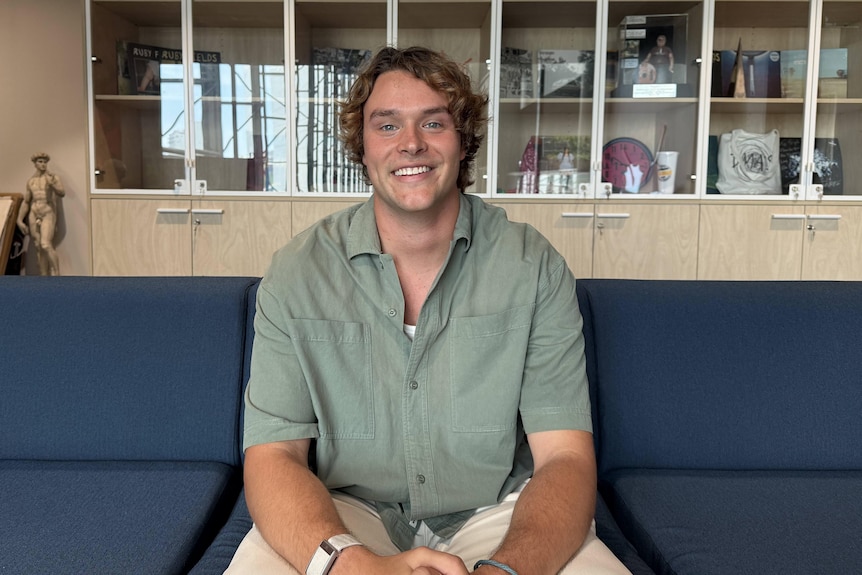
Sutherland Shire councillor Kal Glanznig tells his story at the triple j studios in Sydney. (triple j hack: Angel Parsons)
Dr Chartres says currently, there’s no incentive for industry to meet targets unless they are legally enforceable.
“We’ve seen a small number of single-use products being regulated, but it’s the tip of the iceberg,” he said.
“98 per cent of single used plastic is made from oil and gas, and it’s one of the largest impacts to the environment.”
Last year the federal government committed to introducing mandatory targets if voluntary targets weren’t working.
In a statement Federal Environment Minister Murray Watt said work is progressing to reform packaging in Australia.
“We want to see all businesses take responsibility for the environmental impacts of their packaging as we transition to a circular economy,” he said.
“Taking action now to increase the recyclability of packaging, reducing unnecessary and problematic packaging, and using recycled content will ensure businesses are well-placed for any future regulations.”