
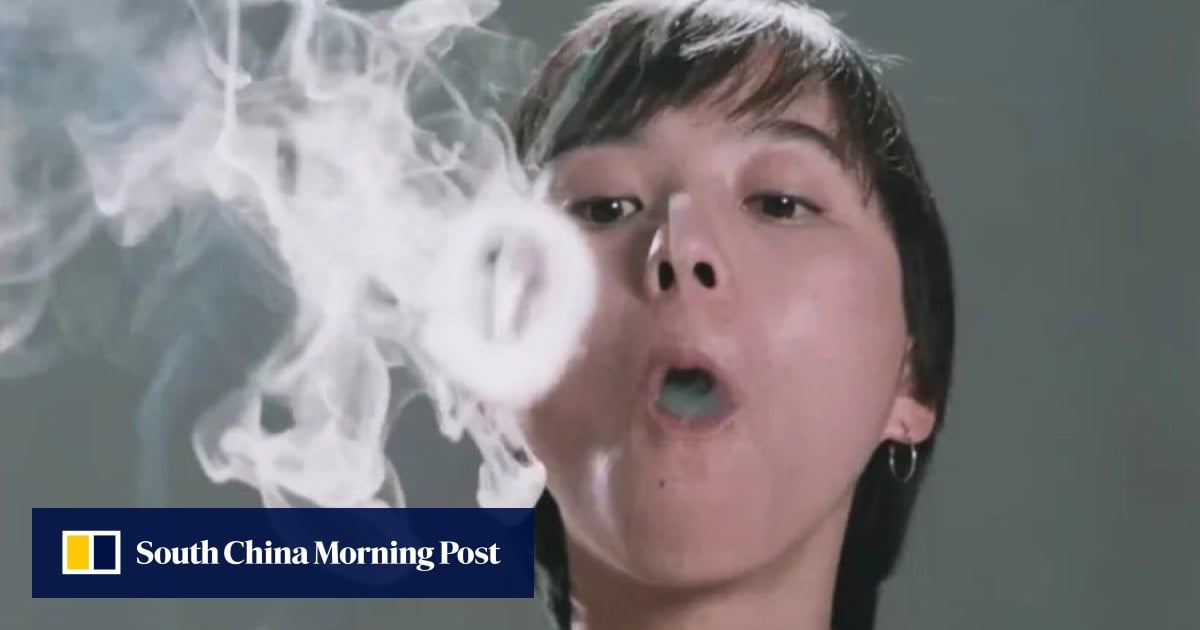
Hong Kong New Wave director Allen Fong Yuk-ping transitioned from television to filmmaking later than his contemporaries, but his neo-realist social dramas did prove immediately successful.
He won best film and best director at the inaugural Hong Kong Film Awards in 1982 for his debut feature, Father and Son, and repeated the double for his next film, Ah Ying, two years later. He won best director again in 1987 for his third effort, Just Like Weather.
Here, we take a deep dive into Fong’s first two neo-realist masterpieces.
Father and Son (1981)Noted for its realism, Fong’s debut documents growing up in working-class Hong Kong from the 1960s to the 80s. While the story of a movie-obsessed boy and his father occasionally recalls Cinema Paradiso, this is no feel-good drama.
Instead, Father and Son documents the hardships of the time and takes Confucian patriarchalism as the main theme of its narrative: about a father solely focused on his son’s future, sacrificing the aspirations of his two daughters to ensure the boy’s success.
Veteran Shih Lei plays Law San-muk, an office worker bypassed for promotion because of his poor education. Determined that his young son Kar-hing (played by newcomers Li Yu-tien as a child and Cheung Yu-ngor as a teenager) avoids the same unfulfilled fate, he pushes him to get a degree. However, Kar-hing prefers films to studying and is expelled five times.
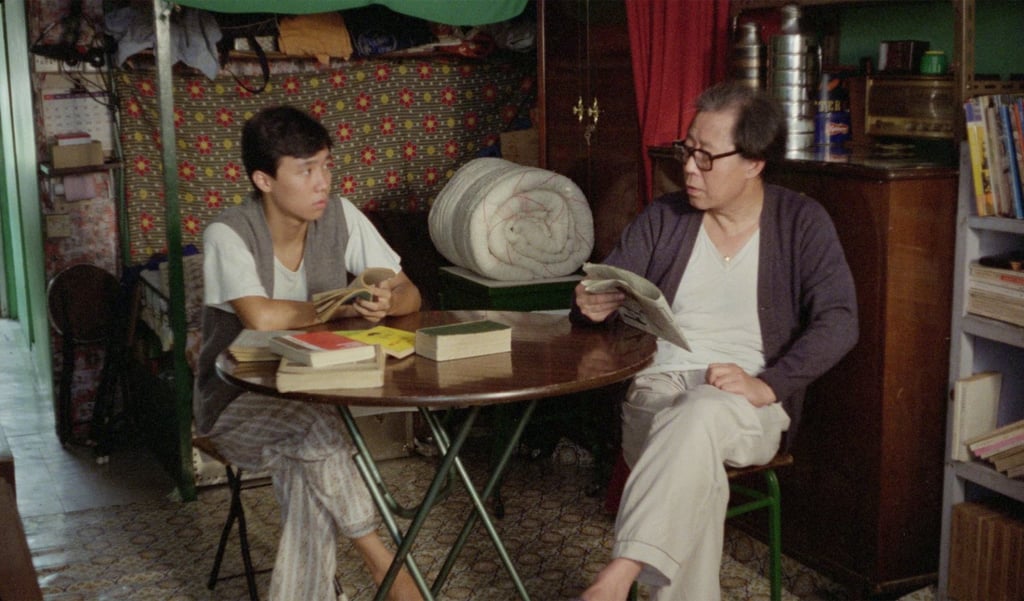 Cheung Yu-ngor (left) and Shih Lei in a still from Father and Son (1981).
As the boy gets older, the father becomes desperate. He hatches a plan to send Kar-hing to a “low-ranking” university in the US, and forces his eldest daughter to marry someone affluent enough to pay her brother’s tuition fees. He also stops his intelligent younger daughter from going to college and makes her take a job as a nurse to help out with the family’s finances.