
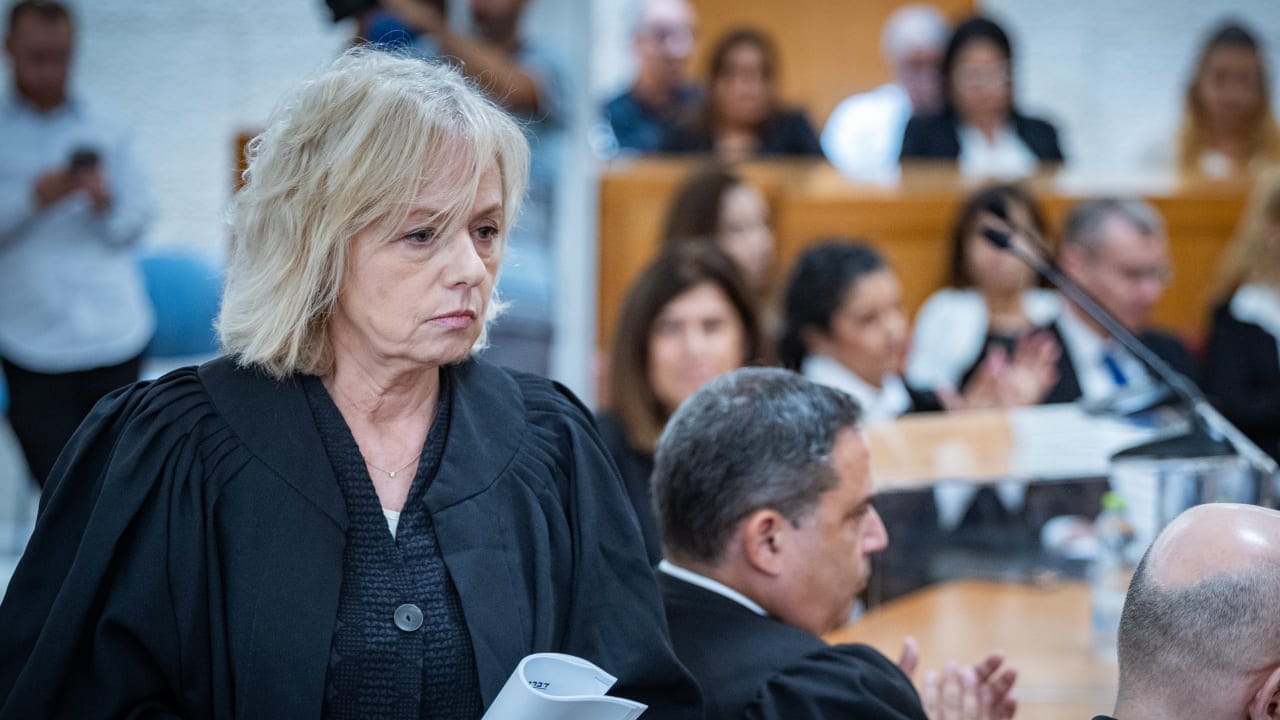
Attorney-General Gali Baharav-Miara has not yet begun examining the pardon request submitted by Prime Minister Benjamin Netanyahu, the Justice Ministry clarified on Sunday, pushing back against reports that the process was already underway.
The statement followed a report by Channel 13 legal correspondent Aviad Glickman, who said on Friday that an advisory opinion from the attorney-general was expected within weeks.
According to the Channel 13 report, the document was in advanced stages of preparation within the Attorney-General’s Office and would soon be transferred to the State Attorney’s Office. From there, the report said, it would move to the Justice Ministry’s pardon division, which could request a complementary opinion from prosecutors involved in Netanyahu’s criminal proceedings.
The final legal advisory would then be forwarded to the President’s Residence, where Isaac Herzog would ultimately decide whether to grant clemency.
However, the Attorney-General’s Office rejected that account on Sunday.

“The examination process has not yet begun,” the office said in a statement, adding that “any report to the contrary is incorrect.”
The clarification touches on the procedural sensitivity surrounding the unprecedented request: a sitting prime minister seeking a presidential pardon while his criminal trial is ongoing.
President has authority to grant pardons only after Justice Ministry recommendations
Under Israeli law, the president has the authority to grant pardons but does so only after receiving recommendations from the Justice Ministry and other relevant legal authorities.
The process typically involves an initial review by the pardon department, consultation with prosecutors, and a legal opinion from the attorney-general. While the president’s power is discretionary, it is traditionally exercised after conviction and sentencing, not during active trial proceedings.
Legal experts have noted that a pardon at this stage would raise complex constitutional questions, particularly given that Netanyahu’s trial remains in the evidentiary phase.
Netanyahu was indicted in 2020 in three separate cases – Cases 1000, 2000, and 4000 – on charges of bribery, fraud, and breach of trust. He denies all wrongdoing and has characterized the proceedings as politically motivated.
Case 4000 centers on allegations that Netanyahu advanced regulatory benefits to telecom giant Bezeq in exchange for favorable coverage from the Walla news site. The trial is currently in the cross-examination stage in that case.
Proceedings in Case 2000, which involves alleged negotiations with Yediot Aharonot publisher Arnon “Noni” Mozes for favorable coverage in exchange for legislation limiting a rival newspaper, are expected to follow.
The issue resurfaced prominently in December after Herzog’s office confirmed receipt of the pardon request and said it would be processed in accordance with established procedures.
Since then, US President Donald Trump has repeatedly weighed in on the matter, publicly urging that Netanyahu be pardoned. Over the weekend, Trump escalated his remarks, saying Herzog “should be ashamed” for not issuing the pardon and demanding clarifications from Netanyahu’s office regarding the status of the request.
Trump has for months framed Netanyahu’s trial as politically driven, echoing arguments made by the prime minister and his allies.
Herzog, for his part, has refrained from commenting substantively on the merits of the request, stating only that any application would be handled through the proper legal channels.
While Israel’s presidents have previously granted pardons to senior officials – including in politically sensitive cases – doing so during an active criminal trial would be highly unusual.
As of Sunday, officials stressed, no formal review process has begun.
Amichai Stein and Sam Halpern contributed to this report.