
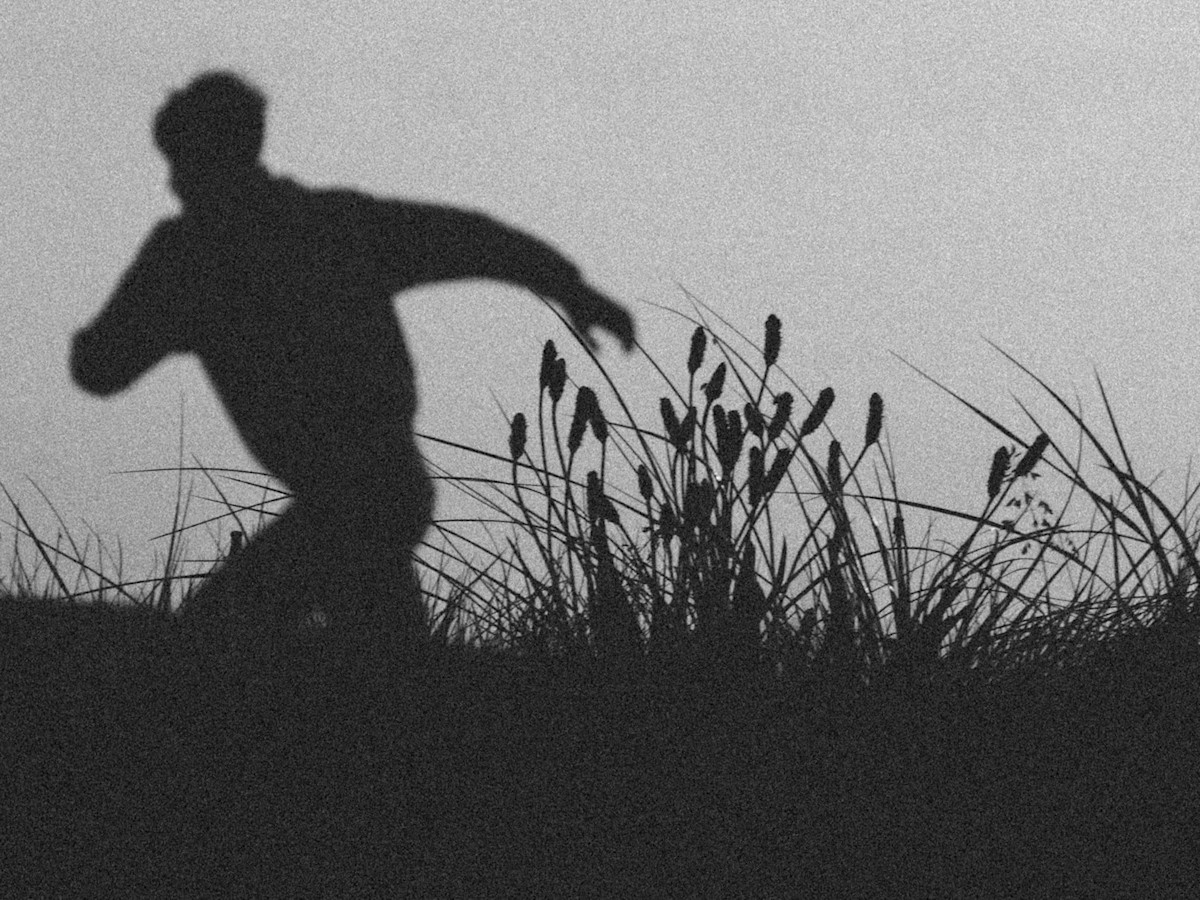
It took two years for this to resolve, when Lawrence and Foreman eventually brought in writer Lou Stoppard, who helped contextualize what they’d witnessed within a longer historical perspective. “She was saying, you know, this has kind of been going on throughout history—people gather to witness these rituals that have a high potential of [death],” Lawrence recalls. The core question became clearer: what drives people to take these risks? “I find that extremely hard to imagine.” The edit and sequence became the way to sit with that question without claiming to answer it definitively. The ephemeral quality of the final publication—that cascade of moments—reflects Lawrence’s admission that “there’s a part of me that always struggled to kind of get there with it.”
That luxury of time—two years to sit with difficult questions, to bring in the right writer, to sequence the work until it made sense—is something personal projects afford that commercial work rarely does. The ability to not know what you’re saying immediately, to let a project breathe and develop its own logic, to work collaboratively without deadline pressure shaping every decision.