

Artificial intelligence (AI) could be used to predict the criminals of the future under government plans to identify children who need targeted interventions to stop them falling into a life of crime.
A programme launched by the Ministry of Justice last week will aim to develop a system that can alert schools, health staff, police and other professionals to individuals most likely to be drawn into crime.
It will using existing data that is siloed between different government departments and authorities.
• Rishi Sunak: Every CEO is talking about AI — why aren’t our leaders?
Academic research has found patterns can emerge from data collected by health visitors checking on newborn babies, although it has not been decided whether the government programme would go back so far to determine whether someone was at risk.
Children identified by the government programme will be targeted with support and intervention to help prevent them falling into crime.
A government source said: “We are looking at how we can better use AI and machine learning to essentially predict the criminals of the future, but to do so ethically and morally. It’s about ensuring the data from the NHS, social services, police, Department for Work and Pensions and education is used effectively, and then using AI so you can go above and beyond what we can currently do.
“This is going to be pretty transformative on how we put money and resources into prevention. We keep getting the same profiles of criminals in the justice system but we’re intervening far too late.
“This isn’t about criminalising people but making sure the alarms in the system are better understood and data and AI modelling can do that much better.”
• Dial 999 in the future and a drone may come to your rescue
Data show that children who have been in care, excluded from school or who are neurodiverse, and those from ethnic minority and deprived communities, are significantly more likely to commit crime. Official data shows that 33 per cent of children who have spent time in care receive a caution while still under 18, compared with 4 per cent of those who have not been in care.
About 80 per cent of children in youth detention are neurodiverse and black children are significantly more likely to end up in prison than their white counterparts.
Jake Richards, the minister for youth justice, said: “I’m determined to harness the power of artificial intelligence and machine learning to gain better insights into the root causes of crime. This will allow us to focus on the earliest of interventions for individuals and families, offering better outcomes for children and keeping our communities safer.
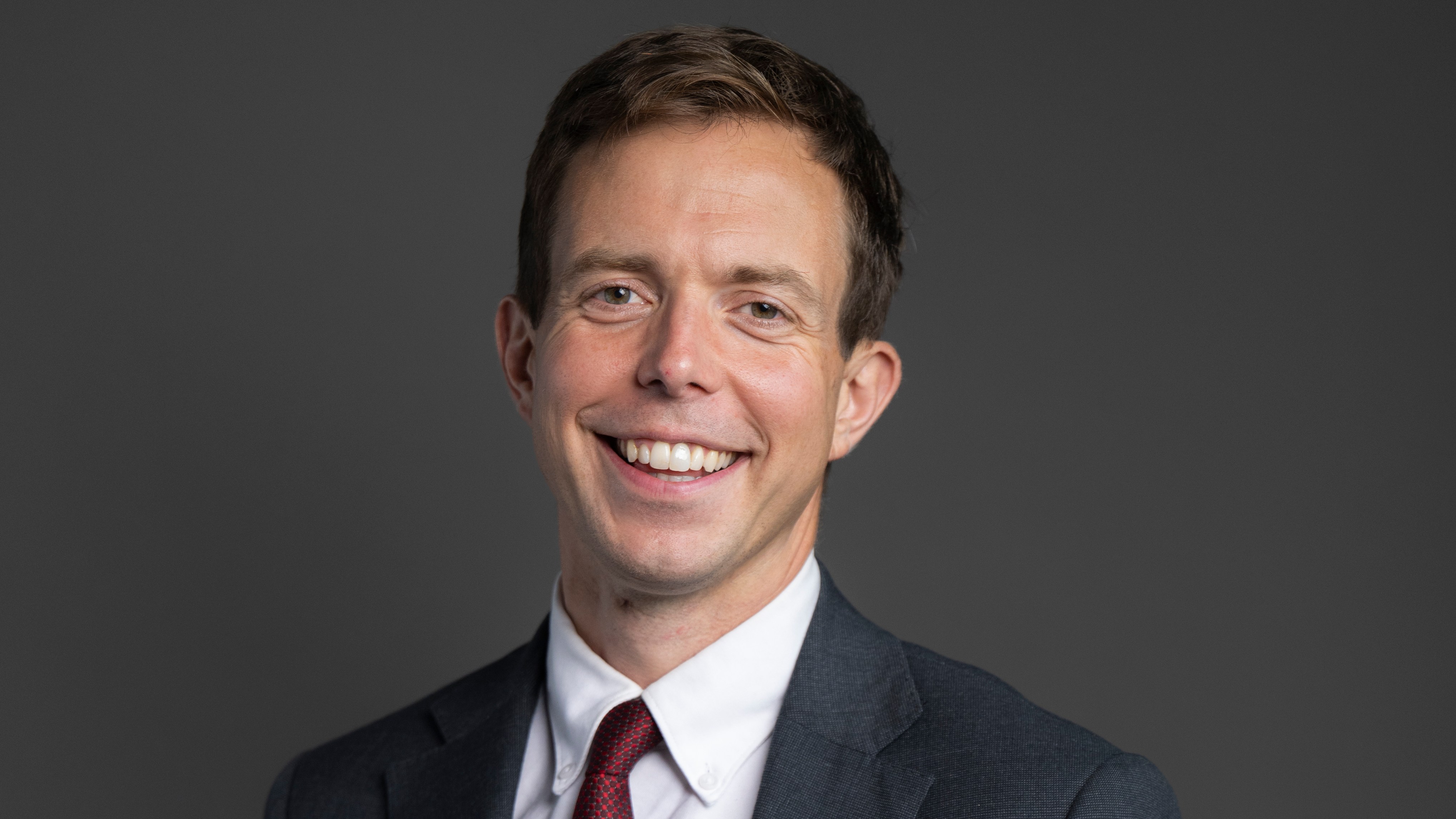
“But we must hold and use this personal data carefully, and that’s why I’ve commissioned this specialist expert committee to look at the efficacy of this work, but also the ethical and legal consequences.”
An advisory panel on preventative analytics for youth justice will be run by Mark Mon-Williams, a professor of cognitive psychology at the University of Leeds who specialises in child development, health and vision, including using data to improve outcomes for children and young people.
The panel will also establish ethical, technical and operational standards to ensure the use of AI does not create unintended consequences such as racial or other societal stereotyping.
Mon-Williams said AI offered the government the chance to make “game-changing” interventions across society when combined with existing statistical techniques.
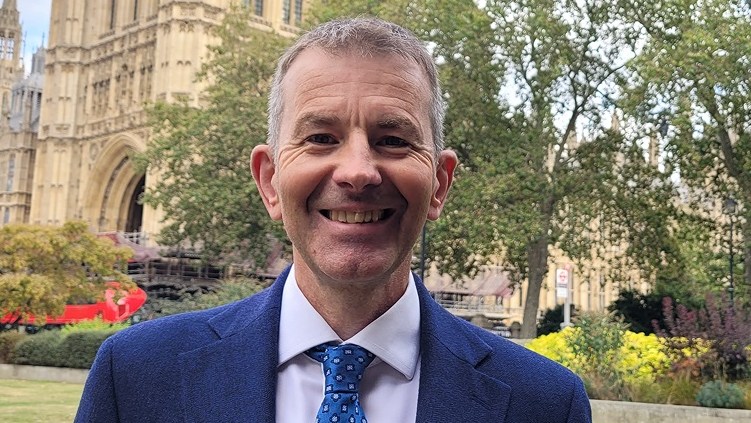
He said: “The machine-learning approaches are transformative because they offer far more powerful skills than we used to have, given the limited computational power that was available to us.
“The biggest problem we have right now is that the Department for Education can see children’s lives through an education prism, health services see children and families’ lives through a health prism, social care see families and children’s lives through a social care prism, so on and so forth. And the real difficulty is when we try and understand why some children and young people really struggle to get support they need. It’s the gaps between those sorts of different services.
• AI on the hunt for untaxed swimming pools is baffled by a parasol
“So the real game-changing piece of work [we need to do is] to start getting that joint understanding of how health and education, social care and the criminal justice system, the built environment, all intersect and interact and how we can then identify children who are kind of bubbling just below the threshold of worry on a number of different services’ radar.
“If we can get that more holistic view, then hopefully we can identify where children are on trajectories that we’re a little bit worried about. Because all the evidence is if we can get in early to support children and families, we can create outcomes. But if we wait to crisis, it’s very difficult to reverse unhelpful directions of travel.”