
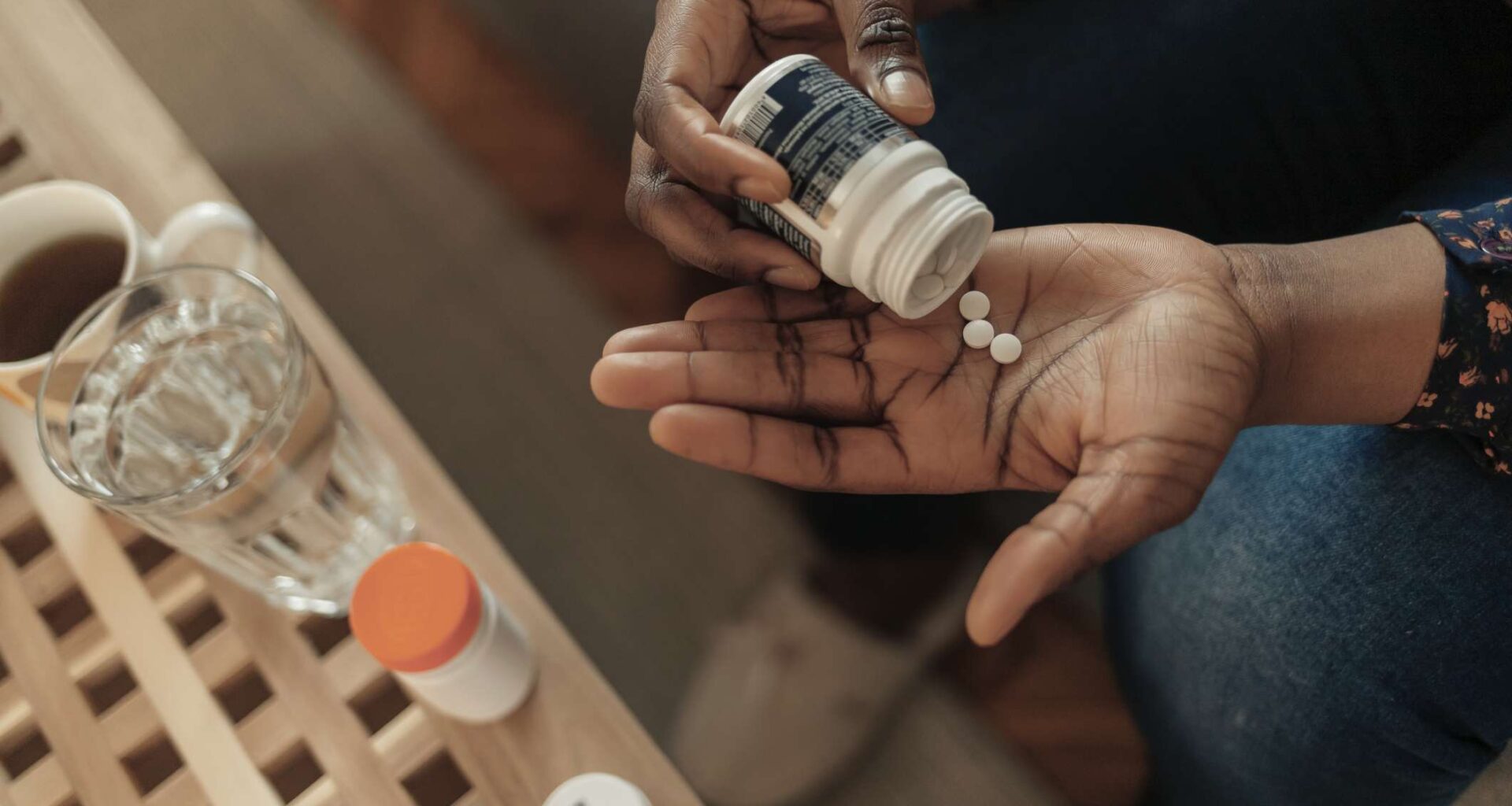
Taking low-dose aspirin daily helps prevent heart attacks or strokes if you have had one before. However, it may increase your risk of bleeding if you have had no prior events.
“If you have had a heart attack, stroke, stent, [or coronary] bypass surgery, [then] low-dose aspirin is really important to help prevent further events,” James Udelson, MD, chief of the division of cardiology at Tufts Medical Center, told Health.
However, for those who have not had one of these events, “the risks outweigh the benefits,” said Dr. Udelson.
“Platelets are in our blood, and they help blood to clot,” Anne Curtis, MD, SUNY distinguished professor of medicine at the University at Buffalo Jacobs School of Medicine, told Health.
“If you have a cut or an injury, the fact that platelets will clump together and help stop bleeding is a good thing,” said Dr. Curtis.
However, if a person has plaque in their blood vessels, those platelets can stick to that plaque and cause blood clots, which can lead to a heart attack or stroke. Platelets also like to stick to stents—mesh tubes that hold arteries or airways open—or other foreign bodies.
Aspirin can lead to stomach and brain bleeding and, in serious cases, kidney failure. In older adults, it may also increase the risk of anemia.
Taking low-dose aspirin to prevent a cardiovascular event depends on whether you are using it for:
Primary prevention, meaning you have never had a heart attack or a stroke.Secondary prevention, meaning you have already had an event.
If you have already had a stroke or heart attack, the bleeding risks from aspirin do not outweigh the benefits.
“For secondary prevention, it’s abundantly clear that aspirin should be used to help prevent that next event,” Carlin S. Long, MD, director of the Center for Prevention of Heart and Vascular Disease at the University of California, San Francisco, told Health.
But for the average person who has never had a stroke or heart attack, aspirin’s cons generally outweigh its pros.
Exceptions include:
People who have a high risk of a heart attack or stroke, such as people with high blood pressure or high cholesterol, and who are not able to take another type of preventative medication.
People who have a high coronary artery calcium score, or a lot of plaque in their heart.
Discuss with a doctor whether aspirin is right for you, as it depends on individual cases.
Simply, with few exceptions, people who have not had a heart attack or stroke may not take low-dose aspirin preventatively. People who have had a heart attack or stroke can take it to prevent a second event.
A 2020 study estimated that nearly 29 million people take a daily low-dose aspirin even though it’s risky. Meanwhile, only 65% of people in the United States who have had a stroke or heart attack are taking aspirin, when it should be closer to 100%.
Possible reasons why people who may be taking aspirin are not taking it correctly include:
They may not realize they have to take aspirin continuously.They may discontinue use if it causes unpleasant side effects.
Understandably, people want to prevent a stroke or heart attack, and they may not be up to speed on its risks.
“It’s a big public health concern when we have simple, cheap therapies that are actually really effective and millions of people aren’t taking them,” said Dr. Udelson.