
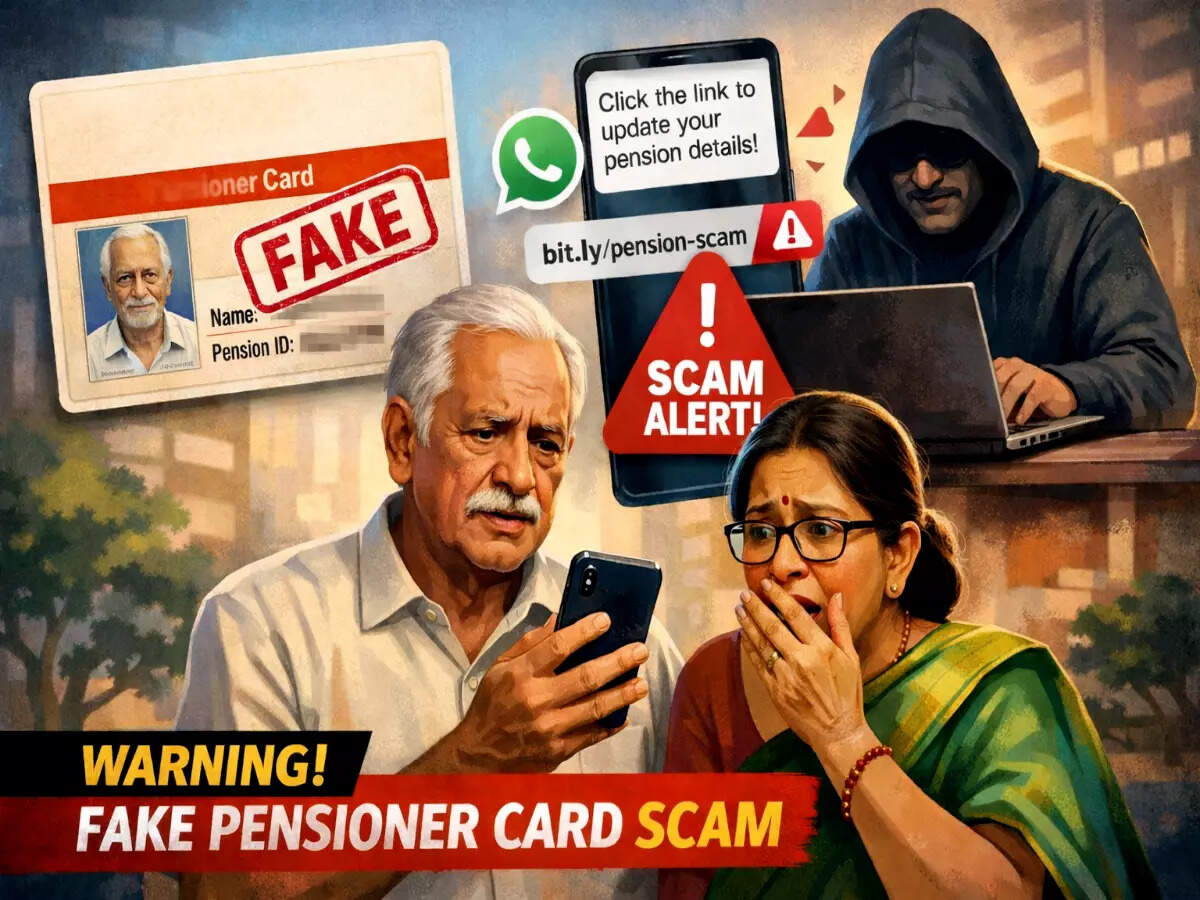
It’s not uncommon for pensioners and senior citizens to fall prey to fraudsters, losing their hard-earned money. Banks frequently send out advisories for these customers. Now, Bank of Baroda (BoB) has also issued an advisory for its senior citizen and pensioner customers and its own ex-employees, asking them to remain vigilant against fraudulent messages they might get over phone, WhatsApp or SMS. The public sector bank has also shared information on common fraud tactics and tips on how to protect themselves from these cyber crimes.
What is Bank of Baroda’s cyber fraud-related advisory for its customers? Bank of Baroda has urged its customers, specially senior citizens, pensioners and ex-employees, to remain vigilant against fraudulent messages and fake ‘pensioner card’ offers circulating online.
The PSU bank has advised pensioners to verify any such communication only through official Bank of Baroda channels or by visiting their nearest BoB branch.
Why did Bank of Baroda issue an advisory against fake pensioner cards?The bank in a statement posted online on its official X (formerly Twitter) account said that there has been a recent increase in digital fraud incidents, specially targeting pensioners and senior citizens.
Such fraudsters are circulating messages and images related to fake ‘pensioner cards’, targeting senior citizens and pensioners to click online links attached to the messages.
Bank of Baroda says it hasn’t issued any pensioner card through social media or links.
“Bank of Baroda has not issued any new pensioner card through social media or links. Any pensioner card or offer circulating on the internet is not authorised by the bank,” says BoB in its message on X.
Bank of Baroda reveals common fraud tactics of fraudsters
The PSU bank says some of the common fraud tactics are-
– Sending fake pensioner cards
– Asking for OTP, PIN, CVV, Aadhaar, PAN, or bank details
– Sending links for ‘pension update’ or ‘verification’
– Claiming to be bank officials or government staff
Bank of Baroda has clarified it would never ask for confidential information from its customers over phone, WhatsApp or SMS.
Bank of Baroda explains ways to stay safe from cyber fraudsThe PSU bank has shared a number of ways through which, pensioners and senior citizens can stay safe from falling victim to such cyber frauds.
-Do not click on unknown links
-Never share OTP/PIN/passwords
-Do not install any app or screen-sharing app on someone’s advice
-Verify information with your family member or the bank branch
BoB says if its customers receive any suspicious call or message, they should not respond to or click on the link.
The bank advises senior citizens and pensioners to immediately contact their nearest Bank of Baroda branch or the official customer care number.
Frequently Asked Questions (FAQs) about cyber fraud with senior citizens/pensioners and how to report them
What are the patterns of fake messages fraudsters send to senior citizens/pensioners?Vivek Iyer, partner and financial services risk leader, Grant Thornton Bharat, told ET Wealth Online that fraudsters usually send messages via sms, WhatsApp or emails, pretending to be bank employees asking for pensioner card details to process payments. These links serve as a conduit for accessing customer specific information such as passwords, OTPs to siphon funds off a pensioner’s bank account.
What should senior citizens/pensioners do once they receive such messages?
Iyer says pensioners should never share critical and sensitive information by clicking links that promises them payments. They should always check with their nearest branches before sharing information and should evidence the sms received to the branches, so that the bank can take necessary steps to identify fraudsters and arrest the issue before it causes any losses. What can a senior citizen/pensioner do if they have fallen victim to a cyber fraud?Iyer reveals immediate remedy on the loss of money should be to report to the nearest Bank branch immediately and consult the branch manager for next steps.