
Anyone can see Allison DiBlasi is a really great mom, but it took a while for DiBlasi to see it herself”Every time I closed my eyes, I would be taken back to that moment,” she said.That moment was in the maternity ward.DiBlasi was ready to deliver her son, but her labor stalled and her doctor began prepping for surgery.”The friends that I know who have had C-sections, it’s just another way to give birth,” she said. “But for me, in that moment, I felt like a failure.”That feeling lingered, even as DiBlasi’s doctor placed her newborn son in her arms.”That was a really beautiful moment,” she said. “But as I was holding him, I started violently shaking and my vision started going black.”Her husband reached for their baby.”And then I hear from the other side of the curtain, ‘We have a hemorrhage, we have a hemorrhage,'” she said. “‘Hemorrhage huddle, hemorrhage huddle.'”In that moment, DiBlasi thought she might die.”I didn’t have it in me to be sad or scared,” she said. “I just remember being angry. It just felt so unfair that I had just met my son. I was holding and I was never going to see him again.”Physically, DiBlasi recovered.But mentally, she had a hard time moving on.”I was trying to still make sense of my feelings,” DiBlasi said. “I was trying to figure out, like, OK, everybody has a wild birth story. I guess this is mine. Why am I still going back to it?”DiBlasi found some answers by participating in the Postpartum Traumatic Stress Disorder Research Program at Mass General Hospital.”We often hear people tell us, ‘My baby was healthy and I’m supposed to be happy,'” said Dr. Sharon Dekel, the program’s founding director and a psychologist. “‘I’m physically healthy, but I’m shivering. I feel like I can’t really cope and I feel like I don’t know who I am. I’m kind of a different person.'”The experience is more common than many people, including doctors, may think.After interviewing more than 1,100 women who gave birth at Mass General Hospital, Dekel and her team discovered that mothers who had an unplanned or unscheduled C-section were twice as likely to report severe psychological stress shortly after birth than women who delivered vaginally.”Again, all of these very adverse emotional responses that you’re feeling in the real time during the trauma are really not healthy for adopting or coping, and being able to just bounce back easily,” she said.Untreated, Dekel said the effects can last for months or years.”They might have a very difficult time taking care of their baby because the sight of the baby might trigger the memory of childbirth,” she said.That’s why DiBlasi hopes more women will ask for the help they need — and know they are not alone.”I don’t want any mother to feel like the greatest joy in their life is now suddenly transformed into this reminder of this massive grief,” she said. “That’s just why this is so important.”Here’s another reason.Currently, psychiatrists do not recognize “childbirth” as the type of trauma that can trigger PTSD, but Dekel believes that could change with more research.
BOSTON —
Anyone can see Allison DiBlasi is a really great mom, but it took a while for DiBlasi to see it herself
“Every time I closed my eyes, I would be taken back to that moment,” she said.
That moment was in the maternity ward.
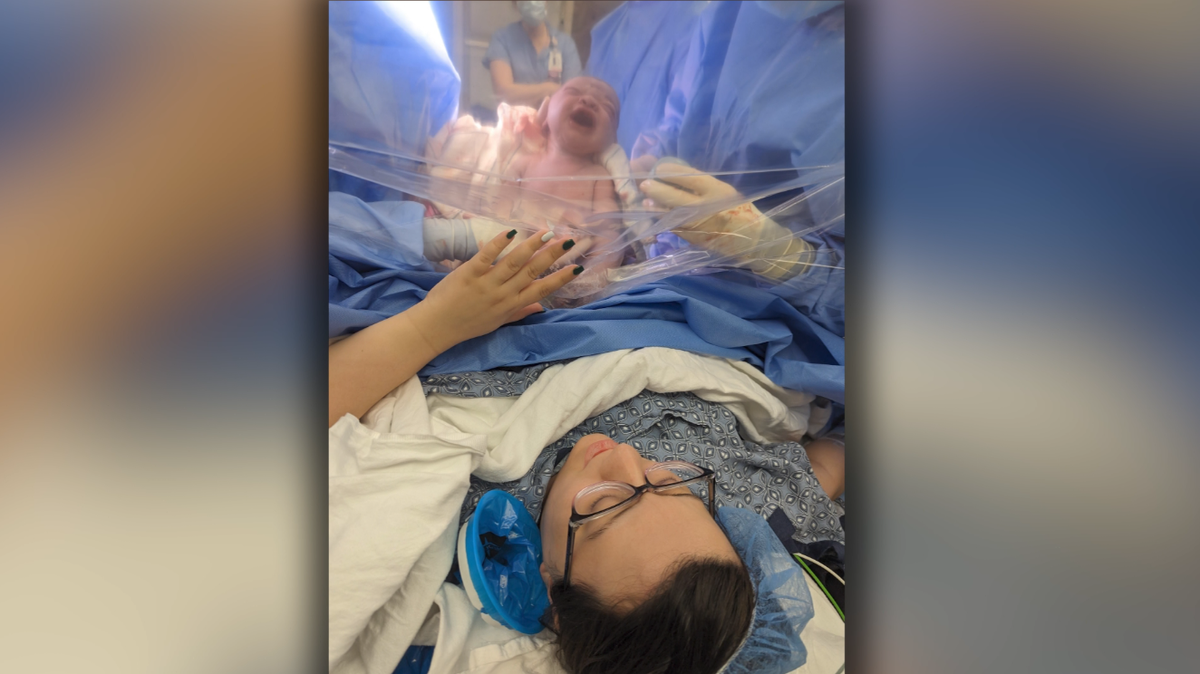
DiBlasi was ready to deliver her son, but her labor stalled and her doctor began prepping for surgery.
“The friends that I know who have had C-sections, it’s just another way to give birth,” she said. “But for me, in that moment, I felt like a failure.”
That feeling lingered, even as DiBlasi’s doctor placed her newborn son in her arms.
“That was a really beautiful moment,” she said. “But as I was holding him, I started violently shaking and my vision started going black.”
Her husband reached for their baby.
“And then I hear from the other side of the curtain, ‘We have a hemorrhage, we have a hemorrhage,'” she said. “‘Hemorrhage huddle, hemorrhage huddle.'”
In that moment, DiBlasi thought she might die.
“I didn’t have it in me to be sad or scared,” she said. “I just remember being angry. It just felt so unfair that I had just met my son. I was holding and I was never going to see him again.”
Physically, DiBlasi recovered.
But mentally, she had a hard time moving on.
“I was trying to still make sense of my feelings,” DiBlasi said. “I was trying to figure out, like, OK, everybody has a wild birth story. I guess this is mine. Why am I still going back to it?”
DiBlasi found some answers by participating in the Postpartum Traumatic Stress Disorder Research Program at Mass General Hospital.
“We often hear people tell us, ‘My baby was healthy and I’m supposed to be happy,'” said Dr. Sharon Dekel, the program’s founding director and a psychologist.
“‘I’m physically healthy, but I’m shivering. I feel like I can’t really cope and I feel like I don’t know who I am. I’m kind of a different person.'”
The experience is more common than many people, including doctors, may think.
After interviewing more than 1,100 women who gave birth at Mass General Hospital, Dekel and her team discovered that mothers who had an unplanned or unscheduled C-section were twice as likely to report severe psychological stress shortly after birth than women who delivered vaginally.
“Again, all of these very adverse emotional responses that you’re feeling in the real time during the trauma are really not healthy for adopting or coping, and being able to just bounce back easily,” she said.
Untreated, Dekel said the effects can last for months or years.
“They might have a very difficult time taking care of their baby because the sight of the baby might trigger the memory of childbirth,” she said.
That’s why DiBlasi hopes more women will ask for the help they need — and know they are not alone.
“I don’t want any mother to feel like the greatest joy in their life is now suddenly transformed into this reminder of this massive grief,” she said. “That’s just why this is so important.”
Here’s another reason.
Currently, psychiatrists do not recognize “childbirth” as the type of trauma that can trigger PTSD, but Dekel believes that could change with more research.