
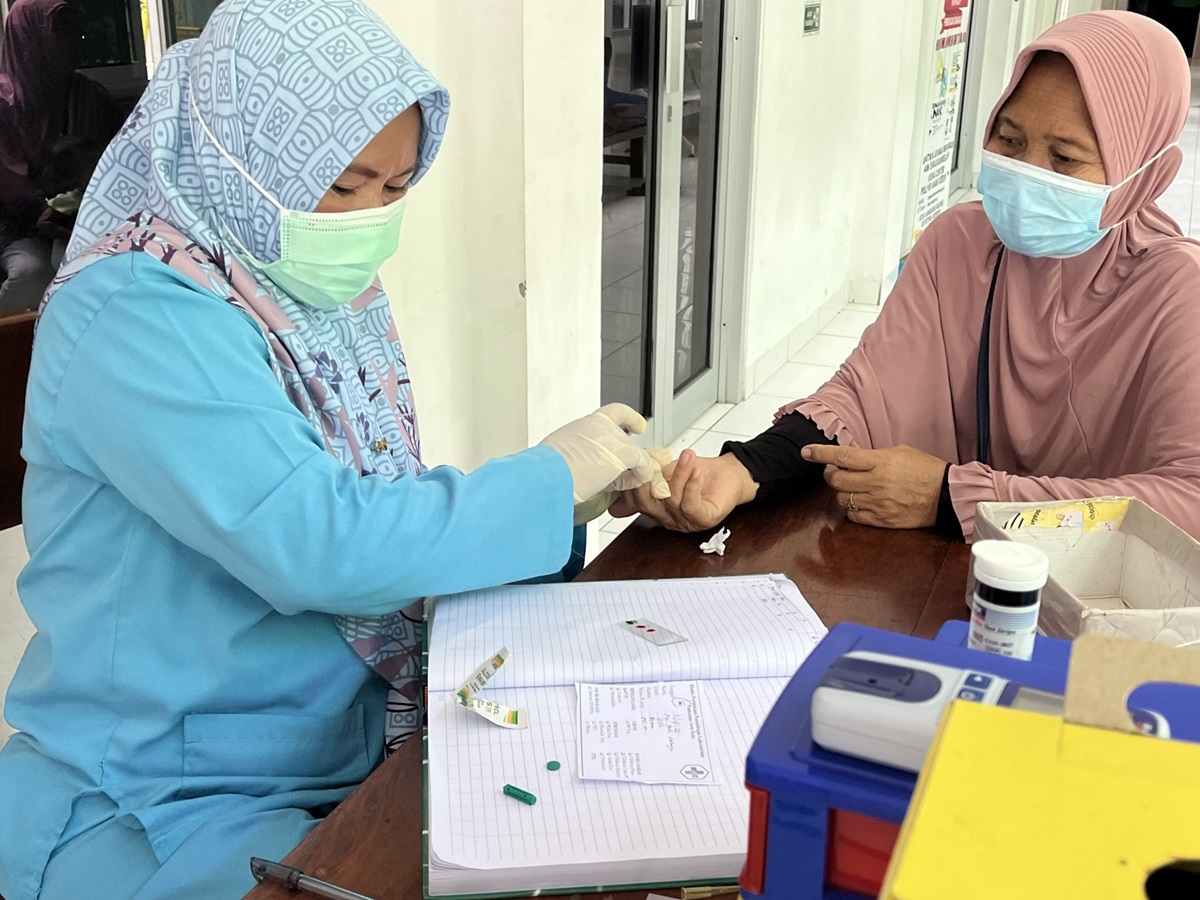
Malaria remains a serious health threat in Greater Papua, where many communities live in areas with year-round transmission. Each year, Greater Papua’s six provinces account for over 90% of malaria cases in Indonesia. The main medicines used to cure malaria, known as artemisinin-based combination therapies (ACTs), have saved many lives. However, malaria parasites are gradually becoming less sensitive to these medicines in some parts of the world. If this happens in Indonesia, the medicines may lose their effectiveness, endangering patients and accelerating disease spread.
Indonesia has previously witnessed significant shifts in malaria drug performance. Before 2004, chloroquine and sulphadoxine-pyrimethamine were the standard treatments. As antimicrobial resistance increased, these medicines failed to cure sufficient numbers of patients, prompting a transition to ACTs. In 2010, authorities adopted dihydroartemisinin-piperaquine (DHA-PPQ) as the first-line treatment. Regular monitoring ensures that national malaria treatment policy remains aligned with changes in parasite resistance.
From August 2024 to October 2025, the Ministry of Health, with support from the World Health Organization (WHO), provincial and district health offices, Hasanuddin University, and the National Research and Innovation Agency, conducted a therapeutic efficacy study in Keerom and Kepulauan Yapen districts, Papua. Following WHO protocols, researchers examined more than 700 malaria patients. The study assessed three medicines: DHA-PPQ, artesunate-pyronaridine (ASPY) and artemether-lumefantrine (AL).
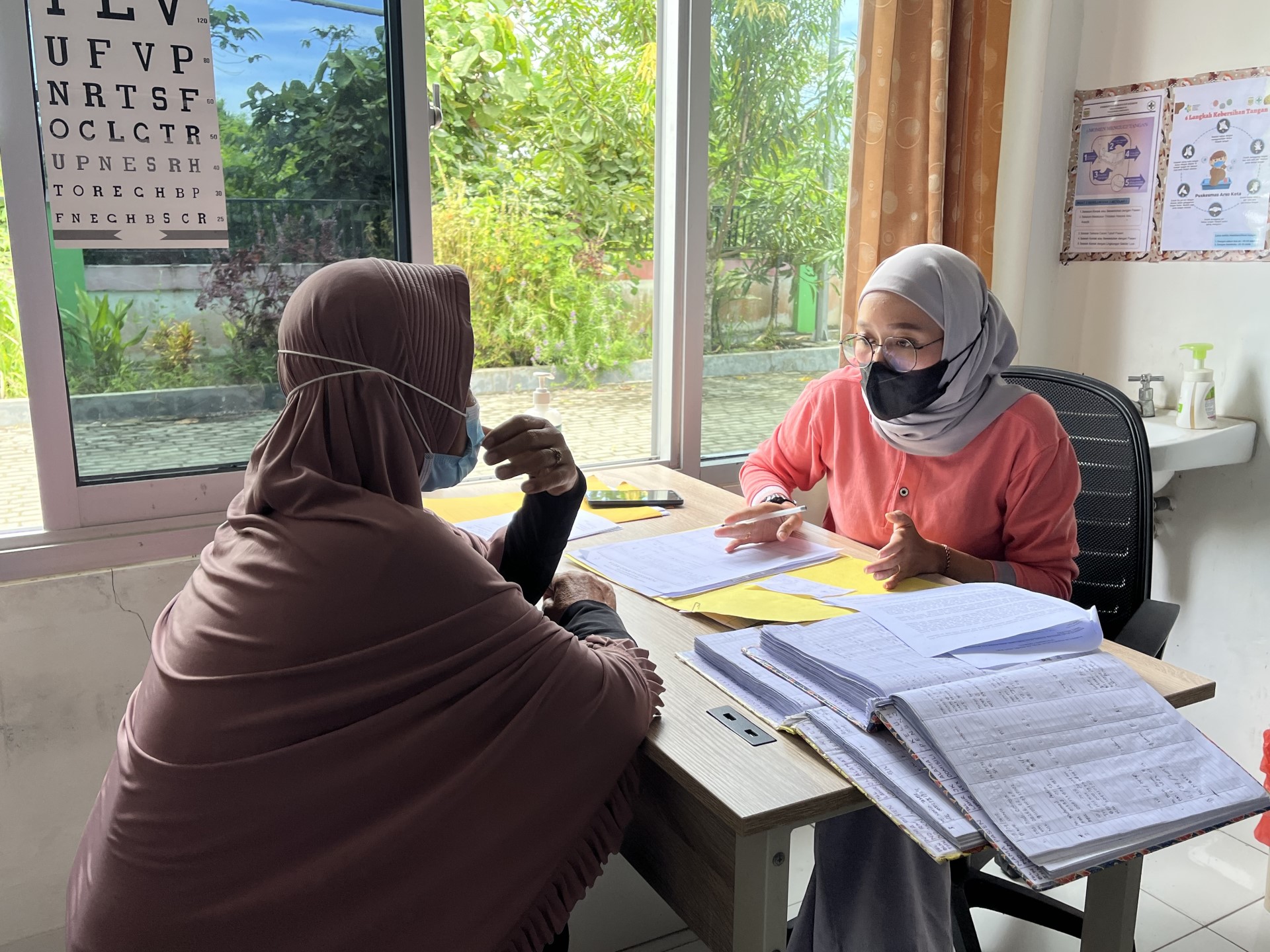
A physician explains the therapeutic efficacy study procedures to a participant at a primary health centre in Papua. Credit: WHO/Ajib Diptyanusa
The findings were encouraging. No delayed parasite clearance occurred, meaning the medicines eliminated malaria parasites from the blood within expected timeframes. No serious adverse events were reported, and all three medicines maintained high effectiveness, with only a small number of patients experiencing persisting malaria symptoms. Scientists are now examining these few cases using molecular methods to determine whether they represent genuine resistance or new infections.
For Indonesia, these findings provide strong local evidence to confirm the continued use of DHA-PPQ as first-line treatment. They also guide the selection of effective second-line options such as ASPY and AL if treatment failure increases in specific areas. For communities in Papua, this means treatments that remain effective, faster recovery, fewer complications and better protection against ongoing transmission.
Work continues to analyse resistance markers in malaria parasites and distinguish reinfection from genuine treatment failure. Sentinel sites in Papua and other priority provinces will remain essential for tracking changes in drug performance. Through this collaboration, WHO and national partners are strengthening laboratory capacity and clinical monitoring, enabling Indonesia to respond swiftly should resistance patterns change.
This activity is supported by The Global Fund.
Written by Ajib Diptyanusa, National Consultant (Malaria and Vector-Borne Diseases), and Budiarto, National Professional Officer (HIV, Hepatitis, and Sexually-Transmitted Infections), WHO Indonesia