


Min Hee-jin, then-CEO of K-pop label Ador, holds a press conference in Jung Distirct, Seoul in this May 31, 2024, file photo. Korea Times file
A Seoul court’s ruling ordering K-pop conglomerate HYBE Labels to pay former Ador CEO Min Hee-jin about 25.5 billion won ($17.5 million) in a put option dispute has begun reshaping the next phase of one of K-pop’s biggest corporate battles.
While the Feb. 12 decision clarified key legal questions surrounding Min’s shareholder agreement and creative autonomy, it also left a complex web of appeals, ongoing lawsuits and artist negotiations unresolved, placing renewed focus on how Min, HYBE and girl group NewJeans will navigate the months ahead.
What court decided
The central question in the case was whether Min had committed a substantial breach of her shareholder agreement with HYBE that would allow the company to terminate the contract and block her put option.
HYBE argued that Min’s conduct, including efforts to pursue independence for sub-label Ador and her public remarks tied to internal disputes, amounted to a “serious violation” that destroyed mutual trust. Min countered that her put option was valid under the contract terms and that her actions did not meet the legal threshold required to terminate the agreement.
The Seoul Central District Court ruled in Min’s favor, saying her put option was valid and ordering HYBE to pay the 25.5 billion won. The court said that although Min did discuss ways to pursue Ador’s independence, those conversations did not amount to illegal attempts to seize control of the label.
In the same ruling, the court rejected HYBE’s attempt to terminate the shareholder agreement and upheld put option claims from other former Ador executives.

K-pop girl groups NewJeans, top, and ILLIT / Courtesy of Ador, Belift Lab
While reviewing whether Min’s public criticism constituted a contractual violation, judges also examined her claims about similarities between NewJeans, the girl group Min helped create, and rookie group ILLIT from another HYBE affiliate, Belift Lab. While the court noted that the alleged similarities did not rise to the level of plagiarism, it concluded that raising such concerns is a legitimate expression of a producer’s opinion rather than a breach of contract.
“What this ruling does is separate corporate control from a producer’s ability to speak up on creative issues,” said a public relations company executive, speaking on condition of anonymity. “It suggests the court recognized that artistic judgment needs space to exist in K-pop, even within large corporate structures.”
While the conflict persists, the ruling secures Min legal legitimacy as she shifts focus to her newly launched independent label, Ooak Records. The producer has begun early branding work tied to a planned boy group debut, signaling a transition toward rebuilding her career outside HYBE’s structure.
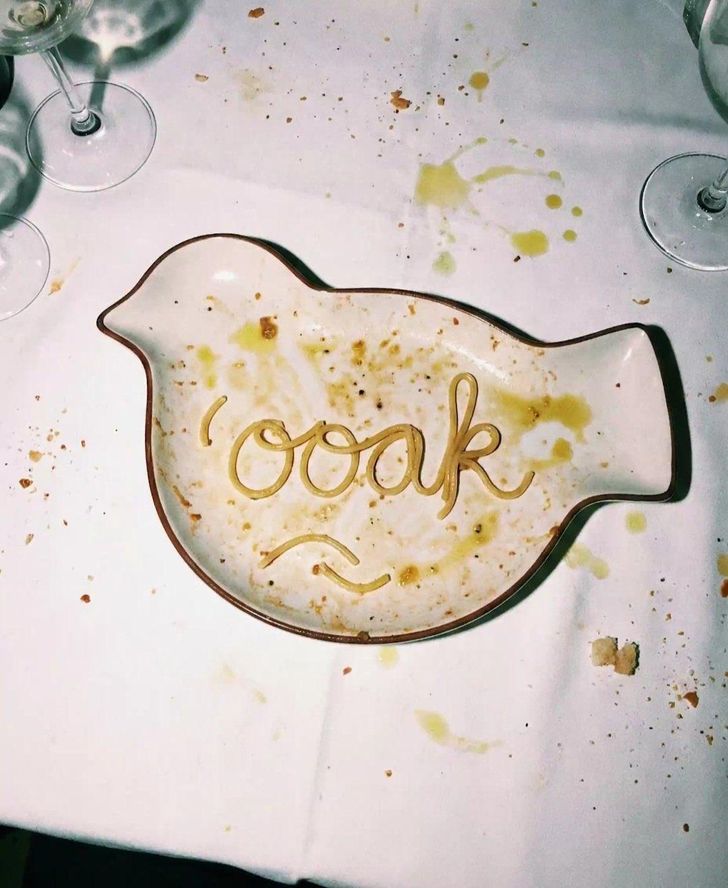
The official teaser image for the launch of Ooak Records, a new K-pop label founded by former Ador CEO Min Hee-jin / Courtesy of Ooak Records
What remains unresolved
Despite the verdict, the broader legal landscape remains unsettled.
HYBE has signaled plans to appeal, and several lawsuits tied to damages and defamation claims are still ongoing, including a damages case involving Min and ousted NewJeans member Danielle, worth roughly 43.1 billion won.
The ruling also does not alter the validity of NewJeans members’ exclusive contracts with Ador. After losing a separate lawsuit in October 2025 seeking termination of those agreements, the members have taken different paths. Hanni, Haerin and Hyein have officially returned to Ador, while Minji has yet to publicly clarify her position.
Some industry observers say the outcome could still influence negotiations surrounding the group’s future activities with Ador.
“The ruling doesn’t change the contracts on paper, but it could definitely change the negotiating atmosphere,” said an industry insider from a midsized entertainment label, who asked not to be named.
“If the artists themselves, along with the general public, interpret the decision as validation, it could influence how future talks unfold,” they added.
Meanwhile, the Korea Entertainment Producers’ Association expressed “deep regret” over the ruling, warning that it could undermine trust in investment contracts and send a risky message to the production field.
In a statement released on Feb. 13, the association said it feared the decision could “foster distrust rather than quell anxiety” across the industry and weaken the stability of long-term partnerships between producers and artists.
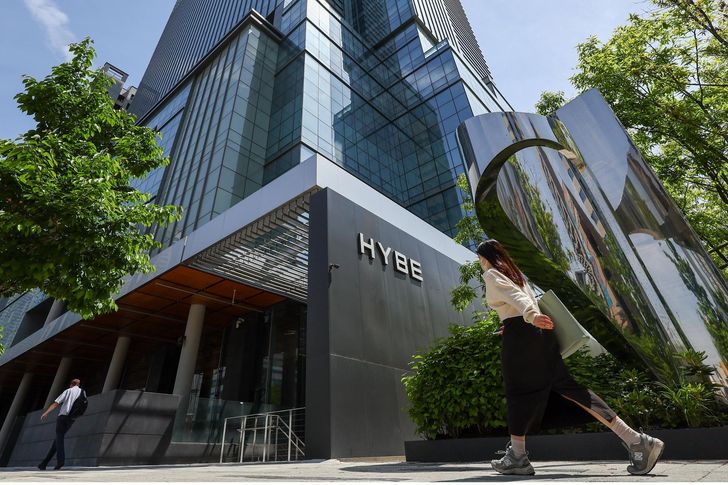
K-pop company HYBE Labels’ headquarters in Yongsan District, Seoul / Korea Times file
What comes next
For HYBE, the appeals process and unresolved lawsuits suggest the dispute is far from settled. Analysts say the company now faces renewed scrutiny over how its multilabel system balances centralized management with the creative autonomy of high-profile producers.
For Min, the immediate challenge will be proving that her creative identity can translate into success beyond HYBE, one of K-pop’s largest and most resource-rich companies. Known for concept-driven visual direction and distinctive branding strategies dating back to her time at SM Entertainment, she has long been regarded as a recognizable creative force within the industry.
Industry insiders say a creator-focused approach could help generate early momentum for Ooak Records, Min’s new venture, and its upcoming boy band.
“The next phase will not be defined by legal rulings alone,” said the anonymous executive. “It will depend on whether Min, who already secures significant brand value in K-pop, can establish a new narrative without the backing of big labels, and whether HYBE can stabilize its already shaky public perception.”