
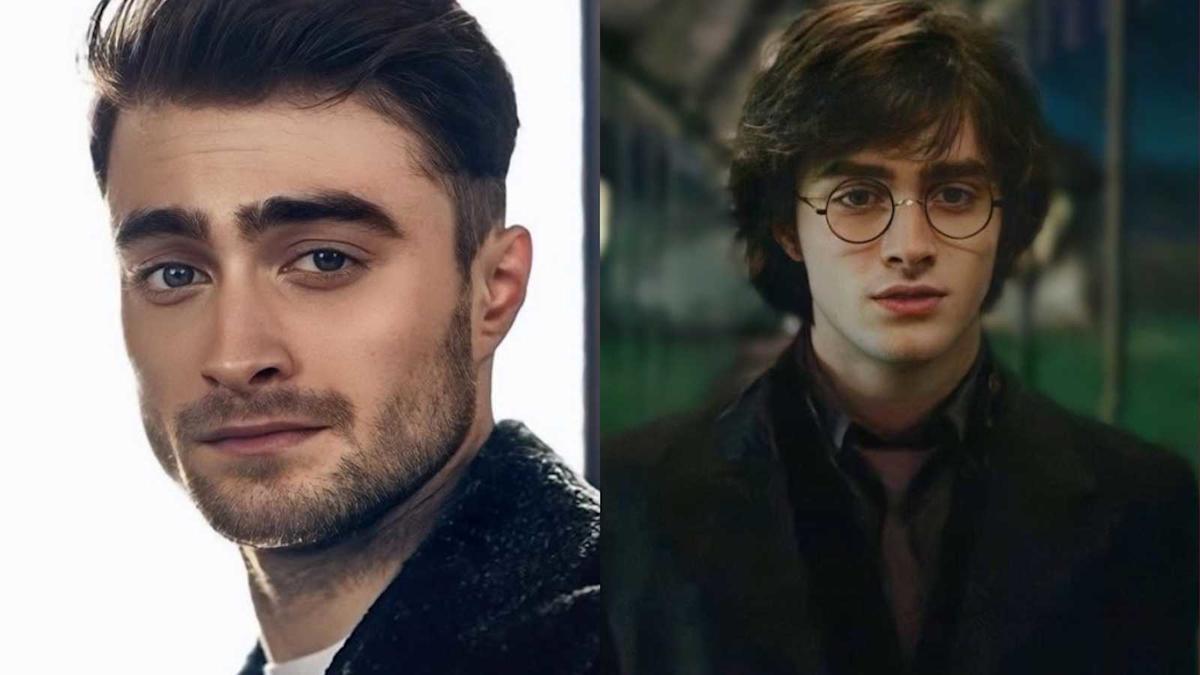
Daniel Radcliffe. Screenshot from ldanielradcliffe via Instagram. Used under fair use for commentary.
For millions of people around the world, Daniel Radcliffe will always be the boy who lived. But inside his own home, he’d prefer to be something else entirely: just Dad.
In a recent interview promoting his work on Broadway and screen, Radcliffe has said he doesn’t want his young son to know, for now, that he played Harry Potter. Not because he’s ashamed of it. Quite the opposite.
He’s fiercely proud of the role that defined his childhood and catapulted him into global fame. But he’s also protective of the space between celebrity and normalcy, especially when it comes to his child.
Let’s unpack what he actually said, why it matters, and what this tells us about a man who has spent nearly his entire life navigating the strange gravity of fame.
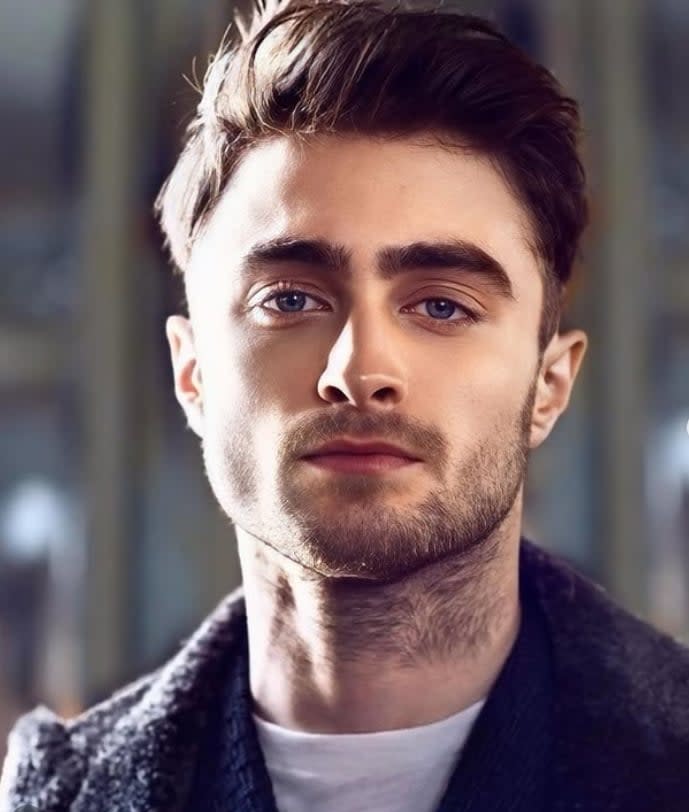
Daniel Radcliffe. Screenshot from ldanielradcliffe via Instagram. Used under fair use for commentary.
The Comment That Sparked the Conversation
Radcliffe and his longtime partner, actress Erin Darke, welcomed their son in April 2023. Since then, Radcliffe has been candid, but measured, about fatherhood. In interviews, he’s explained that he doesn’t plan to sit his child down and introduce him to the Wizarding World just yet. He wants his son to discover that part of his life organically, if and when the time feels right.
He has joked that he doesn’t want to be the dad who says, “Hey, look what I did!” Instead, he’d rather his son know him first as a parent, not as a pop culture monument.
It’s a surprisingly grounded take for someone whose face once launched a $7+ billion film franchise.
The Scale of the Harry Potter Machine
To understand why this decision is so loaded, you have to remember what the Harry Potter films represent.
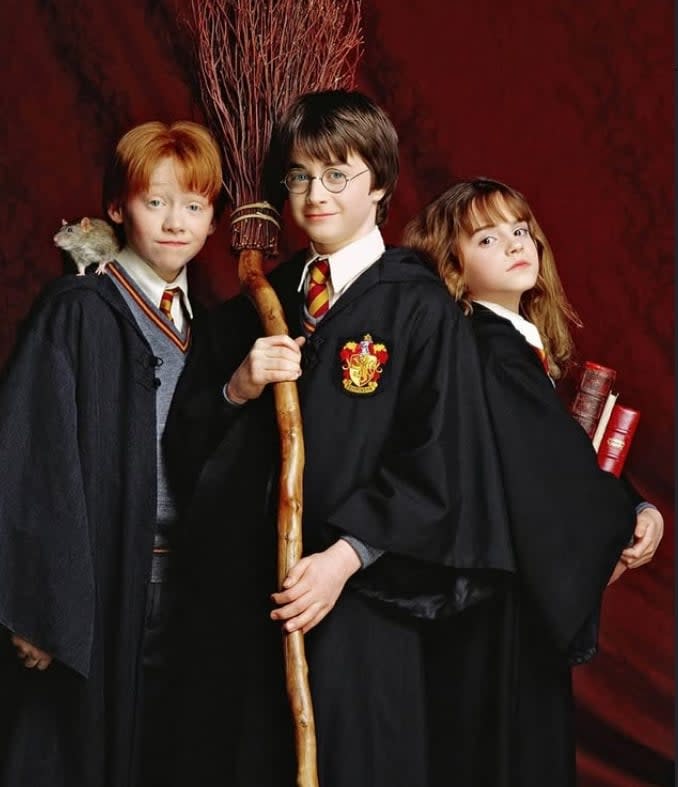
Harry Potter. Screenshot from ldanielradcliffe via Instagram. Used under fair use for commentary.
Between 2001 and 2011, eight films adapted from J.K. Rowling’s novels grossed approximately $7.7 billion worldwide, making it one of the highest-grossing film franchises in history. The final installment, Harry Potter and the Deathly Hallows, Part 2, alone grossed over $1.3 billion globally.
Radcliffe was just 11 years old when he first appeared in Harry Potter and the Sorcerer’s Stone (released as Philosopher’s Stone in the U.K.). By the time filming wrapped a decade later, he was 21, and one of the most recognizable people on Earth.
Here’s something many people forget: over 800 boys auditioned for the role of Harry Potter. Radcliffe wasn’t discovered through a typical casting call; producer David Heyman noticed him in a BBC adaptation of David Copperfield.
His parents initially resisted the idea of committing their son to a decade-long franchise, especially one that would require filming in Los Angeles. The compromise? The films would be shot primarily in the U.K.
That parental protectiveness shaped his entire trajectory.
A Childhood Unlike Any Other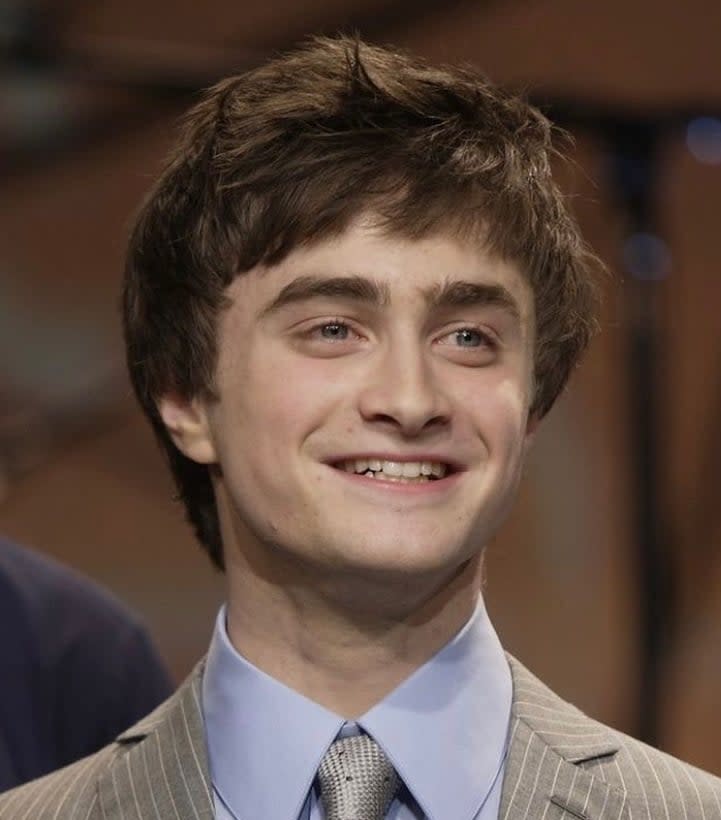
Daniel Radcliffe. Screenshot from ldanielradcliffe via Instagram. Used under fair use for commentary.
Radcliffe grew up on film sets at Leavesden Studios, where the majority of the Potter films were shot. The production built massive practical sets, including Hogwarts’ Great Hall, Diagon Alley, and the Ministry of Magic, many of which are now part of a permanent studio tour in the U.K.
But behind the spectacle was a kid doing homework between takes. Radcliffe has spoken openly about struggling with fame as a teenager.
In interviews over the years, he admitted he developed a drinking problem in his late teens and early twenties as a way to cope with the pressure and constant public attention. He has said he has been sober since around 2010, a fact he’s discussed candidly in outlets like The Telegraph and BBC Radio interviews.
That transparency is key to understanding why he might want to control how and when his son learns about his global identity.
A Deliberate Career Pivot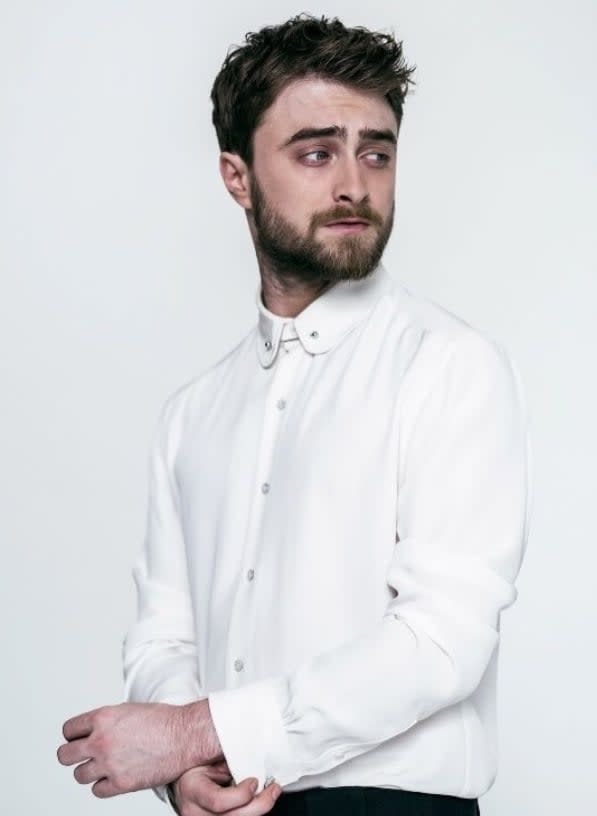
Daniel Radcliffe. Screenshot from ldanielradcliffe via Instagram. Used under fair use for commentary.
After the franchise ended in 2011, Radcliffe could have coasted on nostalgia tours and blockbuster cameos. Instead, he did something riskier: he chose strange roles.
He starred in the horror film The Woman in Black, the surreal indie Swiss Army Man (where he played a flatulent corpse), and the dark comedy series Miracle Workers. On Broadway, he performed in productions like Equus, a role that famously required full nudity and signaled a sharp break from his child-star image.
That move wasn’t accidental. Radcliffe has repeatedly said he wanted to prove, to himself and others, that he could be more than Harry Potter. Financially, he had the freedom to take risks; reports estimate he earned close to $100 million from the franchise. But artistically, he seemed determined to build credibility rather than cling to nostalgia.
So when he says he doesn’t want his son to immediately associate him with a billion-dollar brand, it aligns with a 15-year pattern of carefully reshaping his identity.
The Family Factor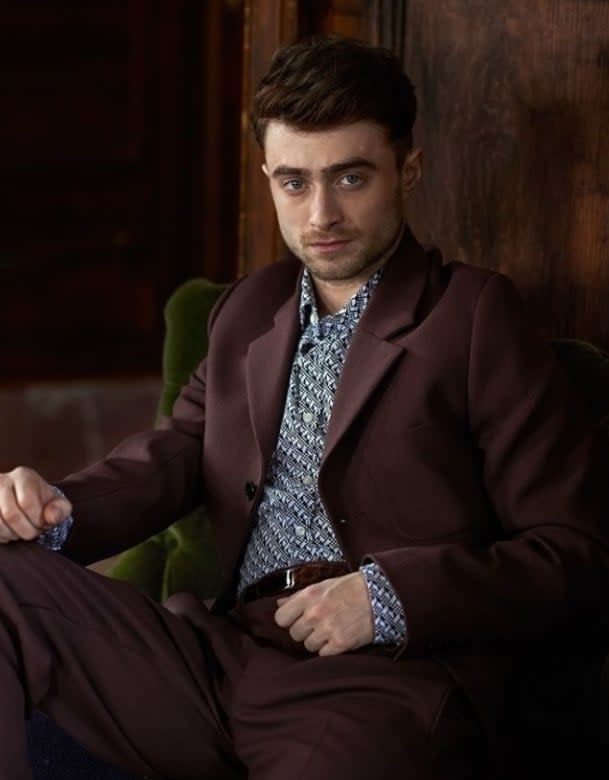
Daniel Radcliffe. Screenshot from ldanielradcliffe via Instagram. Used under fair use for commentary.
Radcliffe was born in London in 1989 to literary agent Alan Radcliffe and casting agent Marcia Gresham. He was an only child. His parents were deeply involved in protecting his well-being during the Potter years, limiting press exposure and ensuring he continued his education privately.
In many ways, his current parenting philosophy mirrors theirs: guard the child’s sense of normalcy at all costs.
He and Erin Darke met while filming Kill Your Darlings, in which Radcliffe played poet Allen Ginsberg. They have kept their relationship relatively private. Even news of their child’s birth was confirmed only after paparazzi photos surfaced.
For someone who grew up in a media whirlwind, privacy isn’t just a preference—it’s a learned survival strategy.
Is Secrecy Even Possible?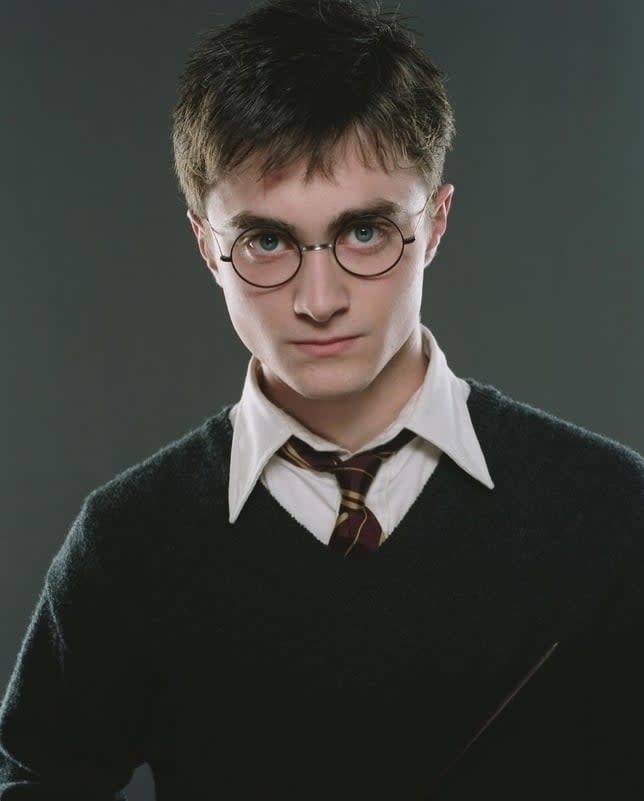
Daniel Radcliffe in Harry Potter. Screenshot from ldanielradcliffe via Instagram. Used under fair use for commentary.
Here’s the uncomfortable truth: with streaming now, hiding Harry Potter from a child might be nearly impossible.
The films remain staples on major platforms. Theme parks dedicated to the Wizarding World operate in Orlando, Hollywood, Beijing, and Japan. Merchandising remains massive. The cultural footprint hasn’t faded. It’s evolving, especially with new adaptations in development.
So is Radcliffe delaying the inevitable? Probably. But maybe that’s the point.
Childhood isn’t just about information; it’s about timing. Radcliffe may understand better than anyone that fame changes how people treat you.
If his son grows up knowing first that his dad reads bedtime stories, makes bad jokes, and changes diapers, that foundation might matter more than knowing he once defeated Voldemort on screen. And perhaps there’s something quietly radical about a global star trying to make himself small in his own house.
The Bigger Question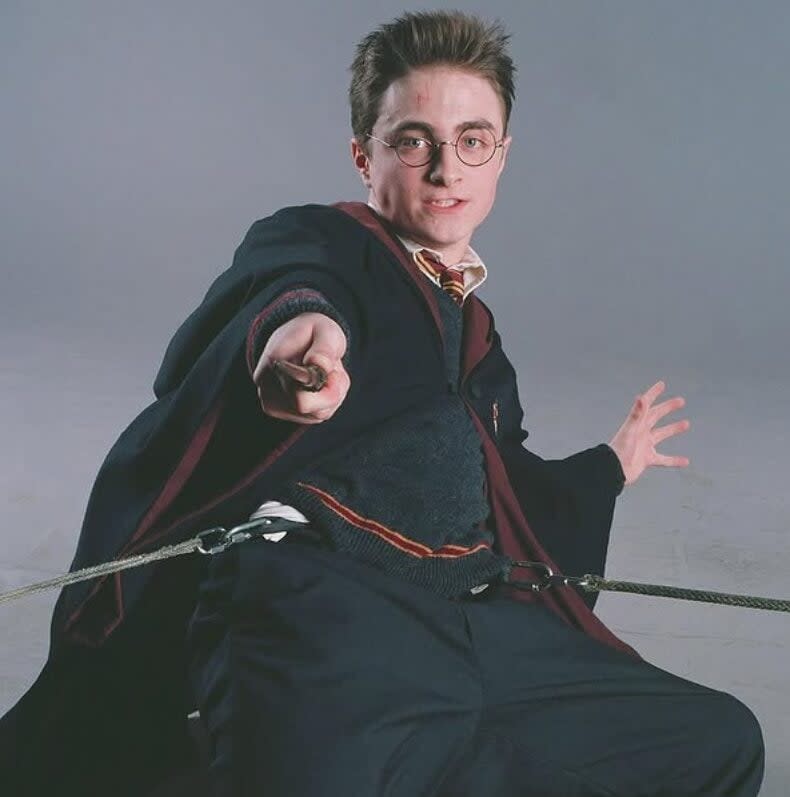
Daniel Radcliffe in Harry Potter. Screenshot from ldanielradcliffe via Instagram. Used under fair use for commentary.
Radcliffe’s choice raises an interesting cultural question: when you’ve been part of something as massive as Harry Potter, do you own that legacy, or does it own you?
By postponing that revelation for his son, Radcliffe seems to be saying that identity is layered. Yes, he was Harry Potter. Yes, that role changed cinema history and defined a generation. But it’s not the entirety of who he is.
And maybe the real magic trick isn’t casting spells on screen. Maybe it’s raising a child who sees you as a person first, and a legend second.
When his son eventually discovers the truth, and he will, the moment will likely be surreal. But perhaps it’ll also be simple: just a dad showing his kid an old movie and saying, “That was me. A long time ago.”
And then, hopefully, asking what they want to watch next.