
Summary
This ESP32 S3 4G smartphone prototype handles voice calls, a 2MP camera, and a 3000mAh battery, with SMS features coming soon.
It uses an A7682E SIMCom modem with AT commands + lovyangfx; runs via custom Arduino IDE.
The code will be FOSS soon; expect the community to grab it and build ESP32 phones.
The ESP32 community is really creative. Like, really creative. Every week, there’s at least one cool new project that someone has worked hard on, complete with open-source code and a full guide on how to make it at home. But sometimes, something incredible comes around, and today just so happens to be that day. Someone has shown off an ESP32-powered 4G smartphone on Reddit, and as you might imagine, the comments are full of people clamoring for the source code, the hardware used, and everything in between.
Related
I built my own local-first Ring Doorbell alternative with an ESP32
It works the same way, except without any subscription fees.
This 4G ESP32 smartphone shows off what the microcontroller can do
And then some
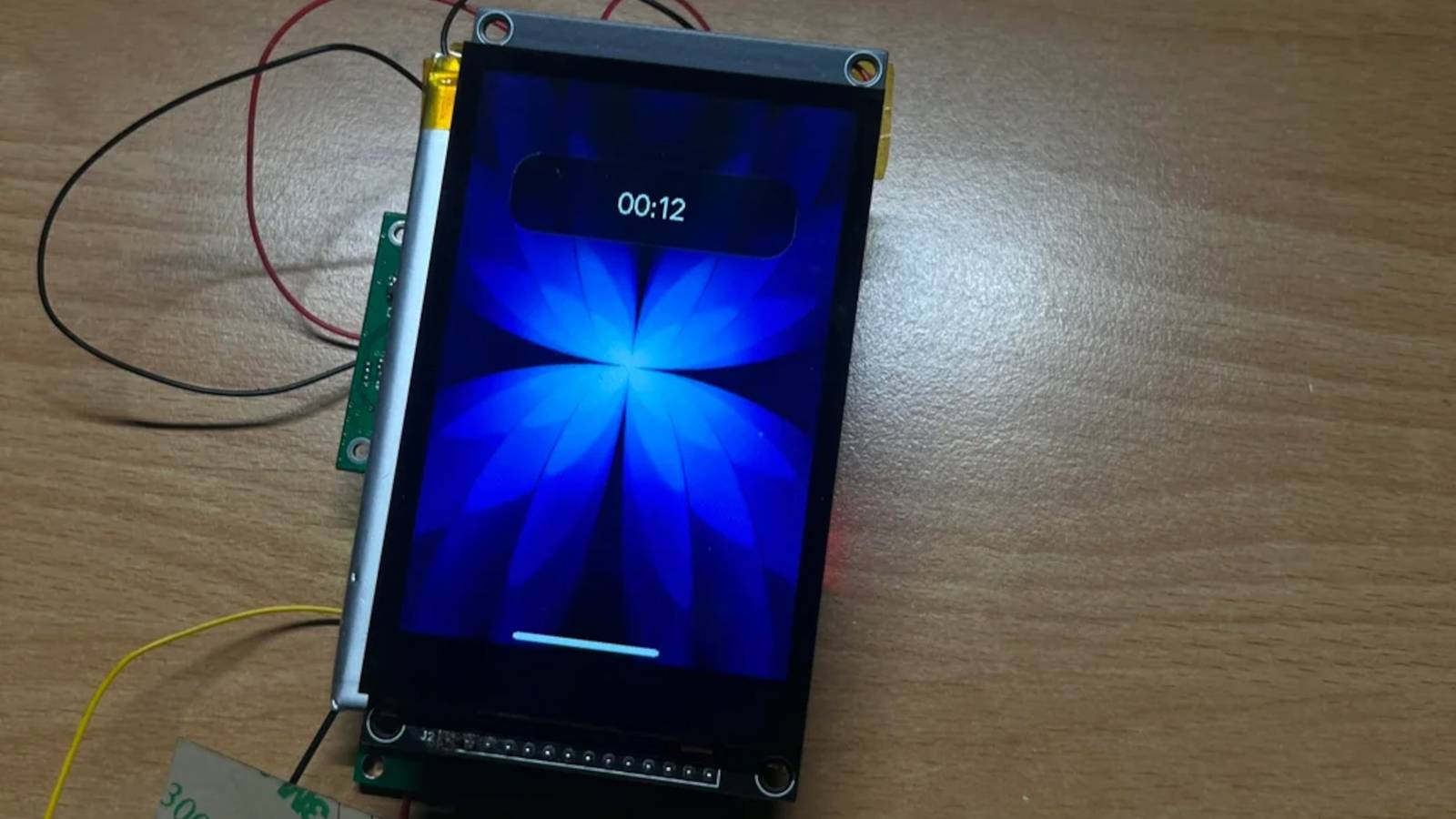
Over on the ESP32 subreddit, user LuckyBor has been making waves. They posted photos of a smartphone that uses an ESP32 at its core, and it can already achieve some things that you’d expect from a phone:
It is based on an ESP32 N16R8 with a 4G simcom modem, specifically the A7682E, with the ability to make phone calls, sms (soon), and take pictures with a 2MP ov2640, and a 3000mah battery! This is my first prototype pcb before things get serious, so don’t mind that lots of things are a module and not a bare chip.
LuckyBor didn’t share much else than that, which, as you might imagine, whipped the ESP32 community into a fervor. The comments are (understandably) full of people asking about every little detail, and fortunately, LuckyBor isn’t one to withhold secrets.
First, LuckyBor replies to a comment about how to get a SIM plan working on the phone by claiming that you can just slot a SIM card in there and it should be good to go. For the software, they say “It’s lovyangfx + just the at command interface for the modem,” and for the OS, they said they’re using a custom Arduino IDE because ESP IDF is, as they say, “a huge pain.”
LuckyBor then explains why they used an ESP32 and not a Raspberry Pi:
Science isn’t about why, it’s about why not, but seriously it’s because Linux drivers and device trees are inconvenient, and the esp32 s3 is low power too, and also I like esp32’s that’s why
Finally, the question on everyone’s minds right now: will LuckyBor actually release the source code? Well, I have good news for you; they replied to a comment asking for the code repo with a simple “It’ll be foss later,” meaning they do intend to release it soon. Keep an eye on LuckyBor in the coming days; we may see people grabbing their code and making their own phones with an ESP32 sooner rather than later.