
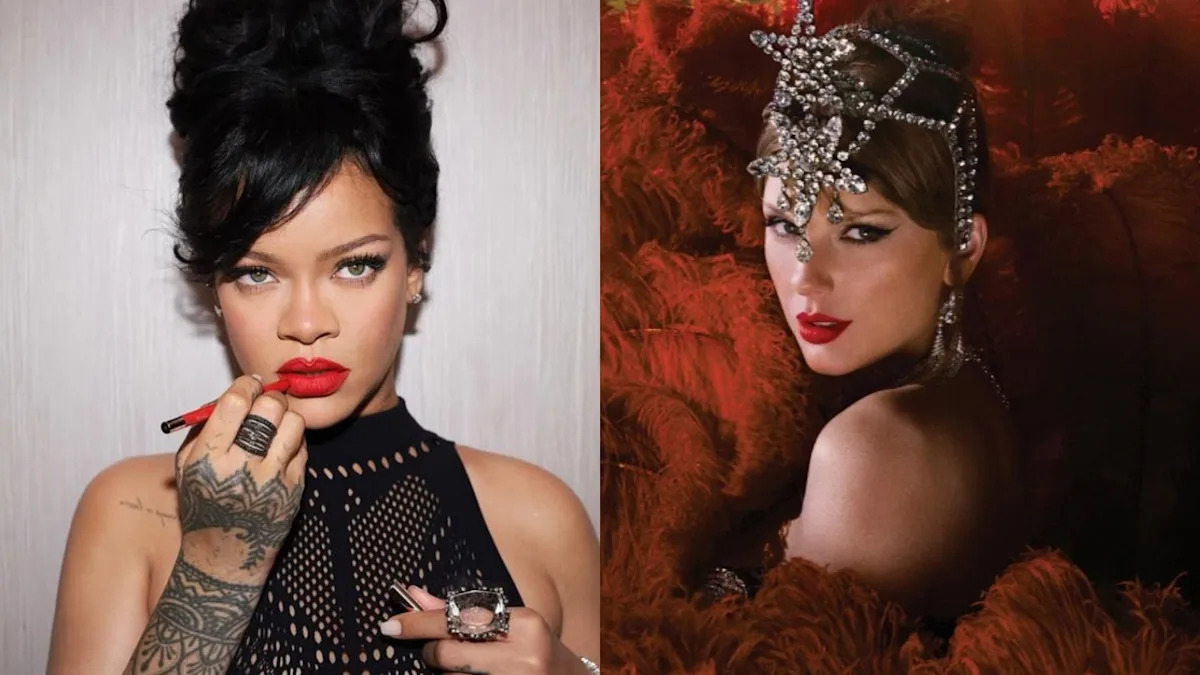
On paper, it shouldn’t make sense.
One artist has not released a studio album since 2016. The other just completed the highest-grossing tour in music history and has spent the past several years dominating charts, headlines, and cultural conversation.
And yet, in a twist that sent fans scrambling, Rihanna just surpassed Taylor Swift in monthly listeners on Spotify, despite the fact that her last album, Anti, dropped a decade ago.
So what’s really happening here? Is this a fluke? A data anomaly? Or proof that Rihanna’s catalog has reached a kind of streaming immortality?
Let’s break it down.
The Numbers: Streaming Without a New Album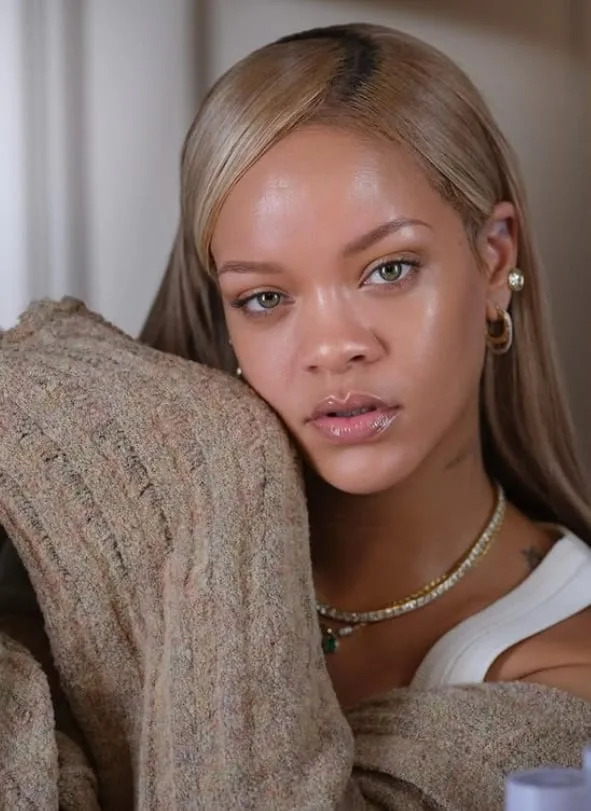
Rihanna. Screenshot from badgalriri via Instagram. Used under fair use for commentary.
Spotify’s “monthly listeners” metric tracks how many unique users stream an artist in a 28-day period. It doesn’t measure total streams, sales, or cultural dominance; it measures recency and breadth of listening.
Rihanna’s catalog, including Music of the Sun up until Anti, has quietly remained one of the most consistently streamed bodies of work in pop and R&B. Songs like We Found Love, Diamonds, Work, and Umbrella continue to rack up billions of streams collectively.
According to data from the Recording Industry Association of America (RIAA), Rihanna is the best-selling digital singles artist of all time, with over 100 million certified units in the U.S. alone. Meanwhile, Billboard has ranked her among the top Hot 100 artists of all time.
Taylor Swift, on the other hand, has broken virtually every touring and re-recording record imaginable. Her The Eras Tour grossed over $1 billion, making it the highest-grossing tour ever, according to Guinness World Records. Albums like Midnights and 1989 (Taylor’s Version) have dominated charts worldwide.
So how does Rihanna, without a new album cycle, surpass Swift in monthly listeners?
Catalog vs. Campaign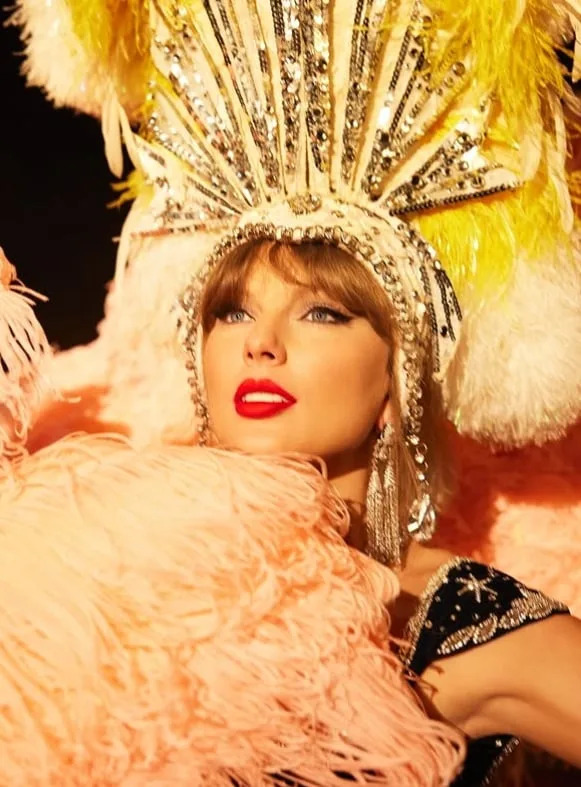
Taylor Swift. Screenshot from taylorswift via Instagram. Used under fair use for commentary.
Here’s the part not everyone wants to say out loud: Monthly listeners reward ubiquity, not intensity.
Taylor Swift’s fan base is famously loyal and album-driven. When she releases music, she shatters records. But her streaming tends to surge around specific album cycles.
Rihanna’s catalog, however, is what industry analysts call “playlist proof.” Her songs live in global party playlists, throwback mixes, workout rotations, and international radio. They’re cross-genre and cross-generational.
She also benefits from massive collaboration exposure. Tracks like Love the Way You Lie (with Eminem) and This Is What You Came For (with Calvin Harris) continue to drive streaming numbers beyond her core audience.
In other words, Rihanna’s streaming dominance may reflect cultural saturation rather than active promotion.
Rihanna, The Reluctant Music Mogul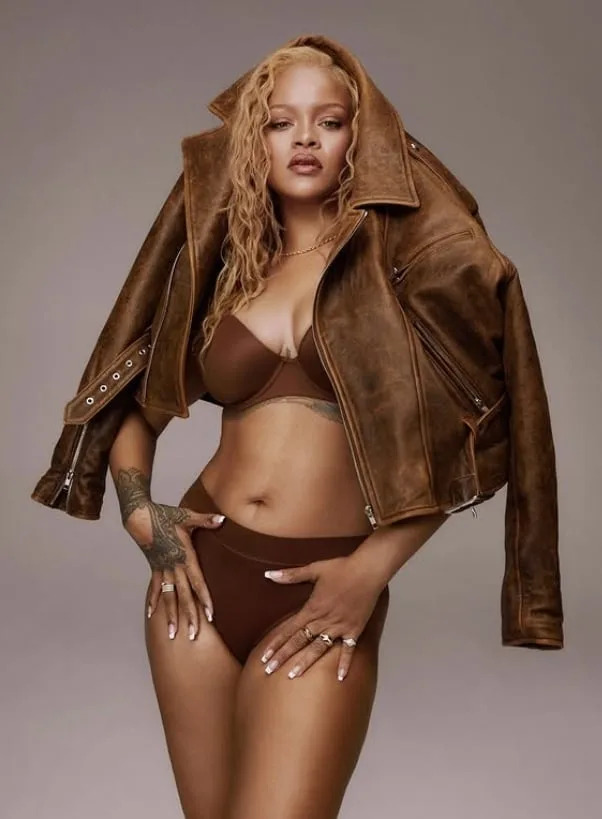
Rihanna. Screenshot from badgalriri via Instagram. Used under fair use for commentary.
Born Robyn Rihanna Fenty in Saint Michael, Barbados, Rihanna was discovered by producer Evan Rogers at age 15. She auditioned for Jay-Z in 2005 and reportedly didn’t leave Def Jam’s office until she had a contract.
Few people remember that her debut single, “Pon de Replay,” peaked at No. 2 on the Billboard Hot 100. Her early albums were released annually, seven albums in seven years, between 2005 and 2012.
That pace is almost unheard of today.
After Anti in 2016, she pivoted aggressively toward business. She founded Fenty Beauty in 2017, which reportedly generated over $500 million in revenue in its first year. She later launched Savage X Fenty and became a billionaire, per Forbes estimates in 2021.
Here’s the lesser-discussed reality: Rihanna hasn’t needed music financially in years. That freedom may contribute to the mystique around her absence, and ironically, fuel streaming demand.
Her 2023 Super Bowl halftime performance, the first in seven years, caused a streaming spike of over 600% for some tracks, according to Spotify data reported by Billboard.
Scarcity, it turns out, streams well.
Taylor Swift, The Architect of Modern Pop Strategy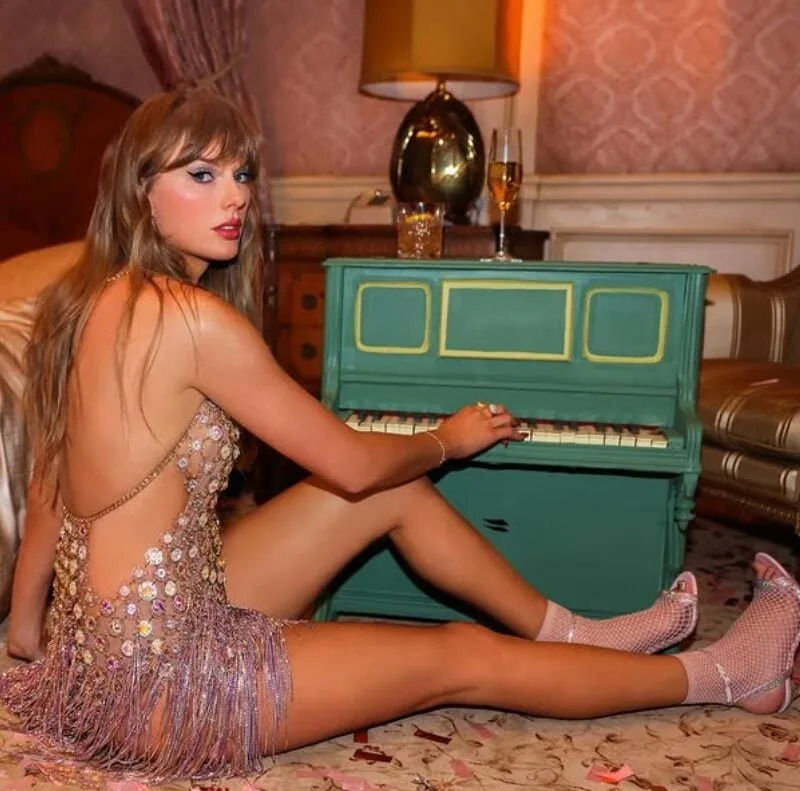
Taylor Swift. Screenshot from taylorswift via Instagram. Used under fair use for commentary.
Taylor Swift’s story couldn’t be more different.
Born in Pennsylvania, Swift moved to Nashville as a teenager to pursue a career in country music. Her father, Scott Swift, was a financial advisor who supported her early career moves. Her 2006 self-titled debut laid the groundwork for a genre-crossing career that would eventually redefine pop marketing.
When Swift’s masters dispute with Scooter Braun erupted in 2019, she responded by re-recording her early albums, a move that industry experts called unprecedented at her scale.
Those “Taylor’s Version” releases have collectively sold millions and dominated streaming charts, proving she can mobilize her fan base at will.
Yet Swift’s streaming profile often spikes around releases. Rihanna’s remains steady without them. That’s not a weakness; it’s a structural difference in audience behavior.
Family, Privacy, and Public Persona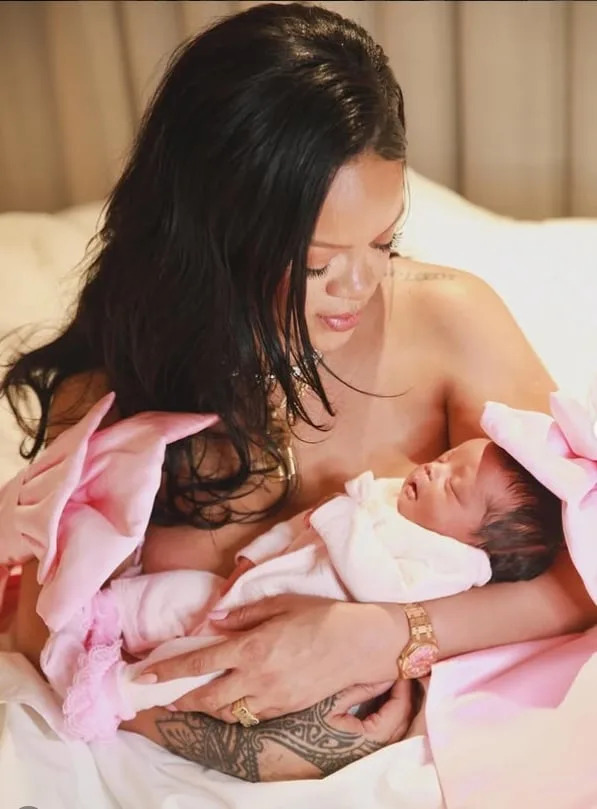
Rihanna. Screenshot from badgalriri via Instagram. Used under fair use for commentary.
Rihanna and Swift also diverge sharply in how they navigate personal life.
Rihanna shares three children with A$AP Rocky. She has incorporated motherhood into her public identity while maintaining notable privacy. Swift, long scrutinized for her relationships, has increasingly guarded her personal life in recent years, though she remains one of the most covered celebrities globally.
Interestingly, both artists have built empires that extend beyond music. Swift into film directing and large-scale touring production, Rihanna into fashion and beauty. Their business acumen rivals their artistry.
The Bigger Industry Implication
Rihanna. Screenshot from badgalriri via Instagram. Used under fair use for commentary.
Rihanna overtaking Swift in monthly listeners doesn’t crown a permanent winner. It does, however, challenge assumptions about productivity and relevance.
We tend to believe constant output equals dominance. Rihanna’s streaming data suggests otherwise. A catalog packed with global hits, genre fluidity, and collaborative reach can outpace even the most active superstar.
And here’s the uncomfortable truth for industry purists: streaming doesn’t measure artistic growth. It measures listening habits. Right now, millions of people worldwide are casually pressing play on Rihanna songs, without a rollout, without promo, without a new era.
That’s cultural staying power.
So Who’s “Winning”?
Taylor Swift. Screenshot from taylorswift via Instagram. Used under fair use for commentary.
If you define winning by tour revenue, Swift is untouchable. If you define it by digital catalog endurance, Rihanna is proving formidable. The real story isn’t rivalry; it’s evolution.
One artist mastered the modern release cycle and fan mobilization. The other mastered timeless replay value. And maybe that’s the lesson here: in the streaming era, absence doesn’t mean irrelevance. Sometimes it means mythology.
Rihanna hasn’t released an album in nearly a decade. And yet, she’s still everywhere. That might be the most powerful move of all.