
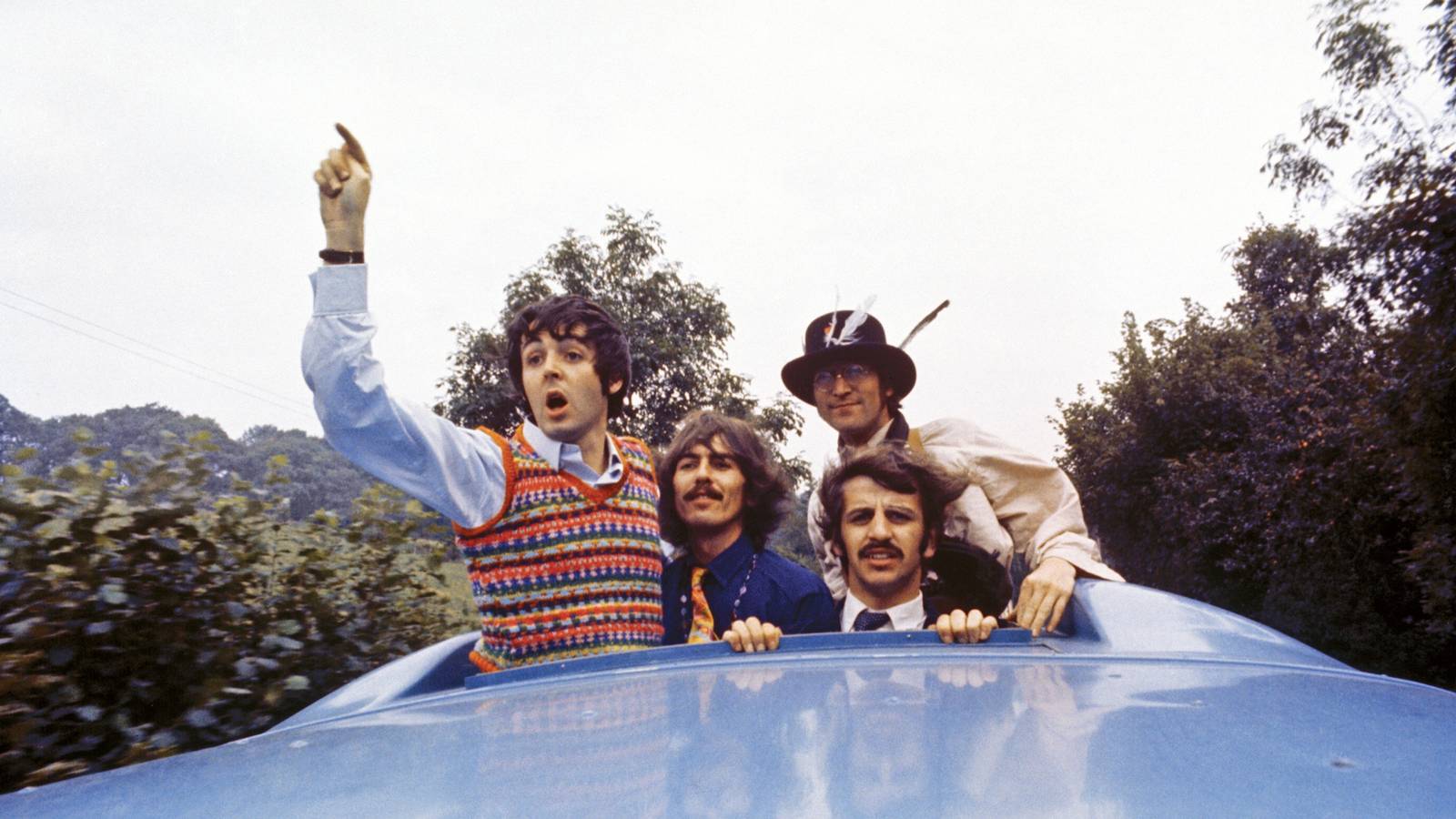
In August 1964, the trajectory of popular music shifted forever inside Room 602 of New York’s Delmonico Hotel when Bob Dylan arrived for a rocker’s dream hang with one of his favorite bands. The shift happened not because of a business deal or a creative collaboration, but because of a hilarious misunderstanding involving one of The Beatles‘ biggest hits. The meeting was brokered by writer Al Aronowitz, but Dylan arrived with a massive misconception. Having heard “I Want to Hold Your Hand,” Dylan was convinced the Fab Four were already seasoned counter-culture icons.
The Twist: Dylan misheard the line “I can’t hide” as “I get high.” When he offered them a seat and a smoke, he was shocked to find out the world’s biggest rock stars were actually “clean” (save for some Scotch and Cokes). That night, Ringo Starr—unaware of the etiquette—smoked the entire joint himself, and the “Lennon-McCartney” era of simple love songs began its rapid decline.
How Dylan “Grew Up” The Beatles
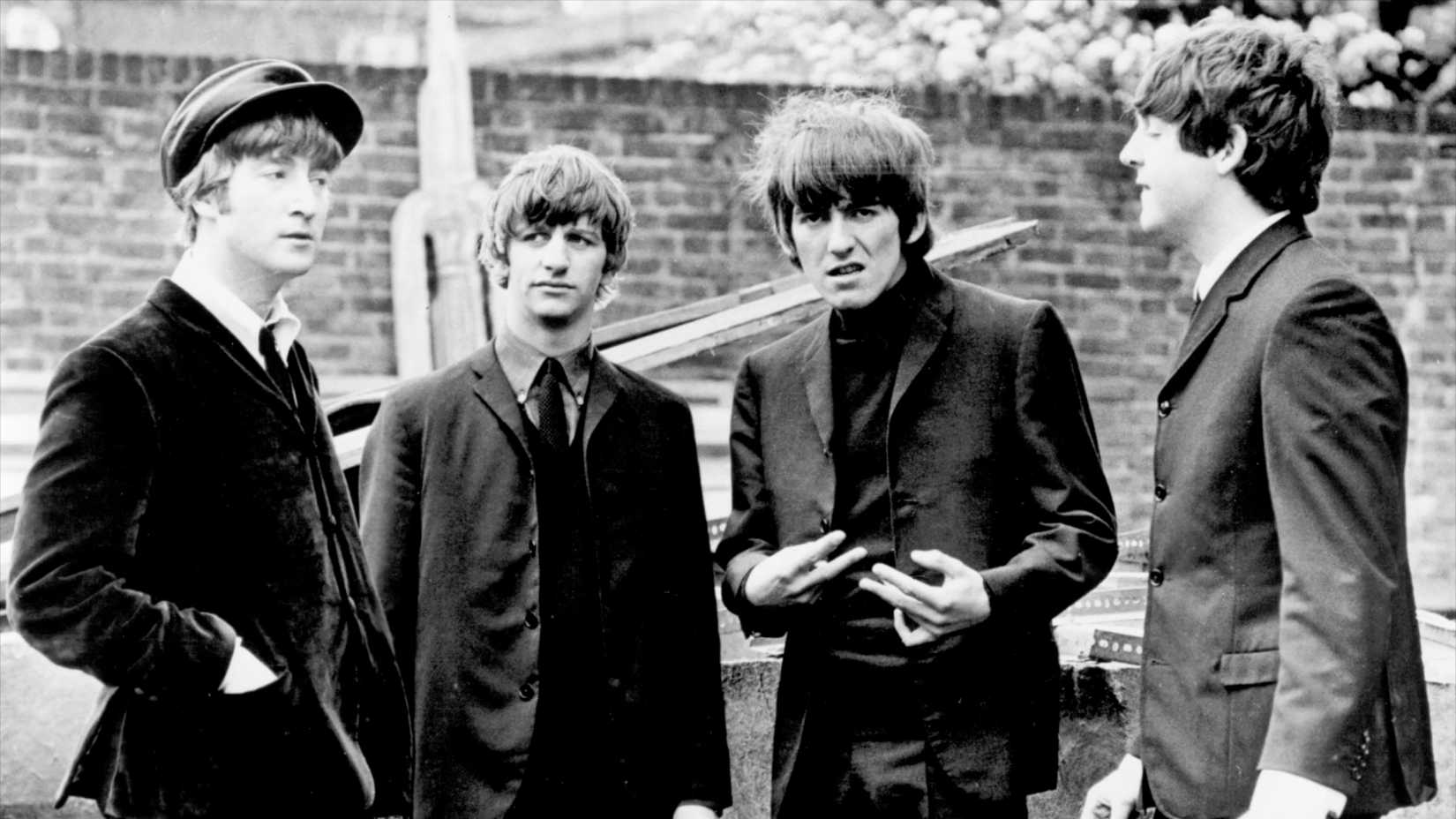
Black and white still of The BeatlesCover Video International
Before the Delmonico meeting, The Beatles were the undisputed kings of the “infectious hook.” They were writing brilliant, two-dimensional snapshots of young love—clever, but intentionally universal. After that night in New York, the “Dylan Effect” acted like a chemical catalyst, specifically on John Lennon’s psyche. He realized he didn’t have to write for “them” (the fans), he could write for himself.
The Immediate Shift (1964): Within weeks of the meeting, the band recorded “I’m a Loser.” While the beat remained upbeat, the lyrics were a startling departure. Lennon swapped “She Loves You” for self-deprecation and a raw, acoustic folk harmonica—a direct, unmistakable nod to Dylan’s signature sound.
The Poetic Masterpiece (1965): By the time they filmed Help!, the transformation was complete. “You’ve Got to Hide Your Love Away” saw Lennon fully inhabiting the Dylan persona. It was their first all-acoustic track, featuring flutes instead of electric guitars and a vocal delivery that was more “confessional poet” than “teen idol.”
The Studio Revolution: This meeting was the spiritual birth of Rubber Soul. The band stopped touring to focus on the studio, trading simple choruses for the introspective, sometimes surrealist imagery found in tracks like “In My Life” and “Norwegian Wood.” Dylan had handed them the keys to the “Art” house, and they never looked back.
The “Beatle-fication” Of Bob Dylan
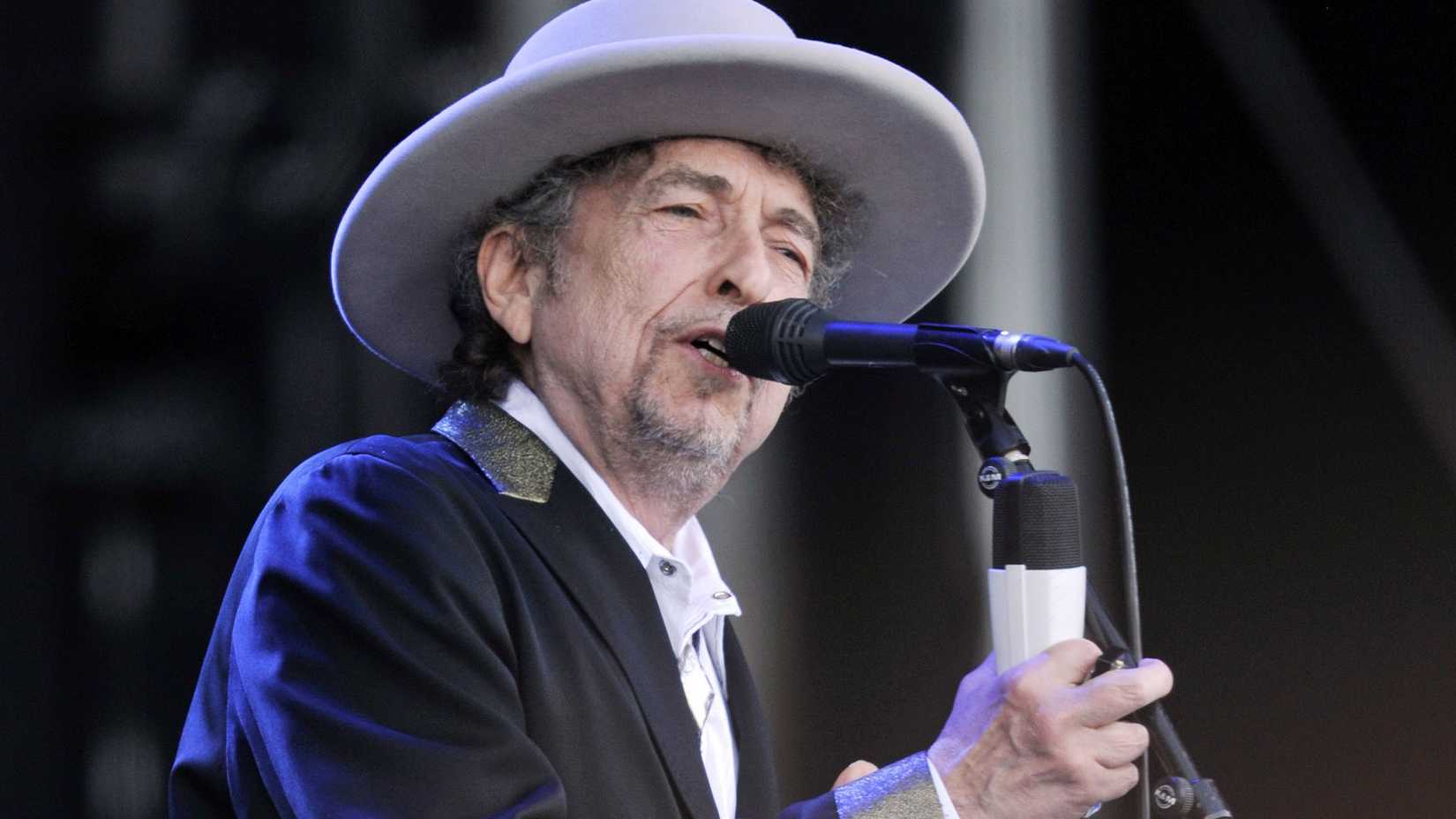
Nancy Leane/Dalle/startraksphoto.com
This is not to say the impact of that night was a one-way street. Dylan, the “voice of a generation” for the folk scene, was secretly enamored by the Beatles’ electric energy and global reach. Watching their hits dominate the charts pushed Dylan to break the “folk purity” rules.
In 1965, less than a year after the hotel meeting, Dylan went electric at Newport, effectively merging the Beatles’ Rock power with his own lyrical depth. The result was Highway 61 Revisited—an album that arguably wouldn’t exist without that New York encounter.