
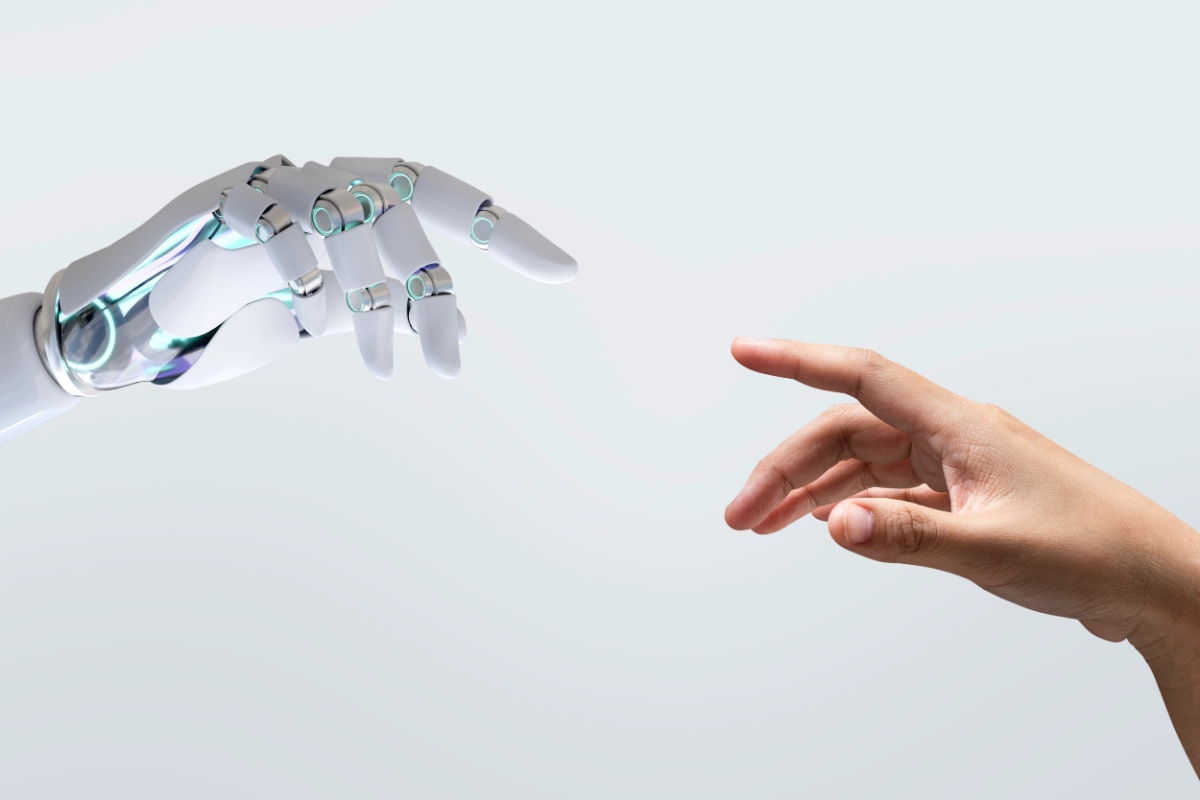
Big Tech says it is here to empower you; its AI boss just implied it may not need you at all. If the software does the work, what exactly is left for the worker?
Microsoft’s AI chief Mustafa Suleyman has a blunt forecast: within 18 months, software could shoulder much of the office grind, from accounting and marketing to project management and law. The turn is most obvious in software engineering, where models already write a sizable share of Microsoft’s code and increasingly outperform human developers, while firms from Amazon to Goldman Sachs restructure teams. He touts a productivity boost that lets people tackle harder problems as AI handles the routine, yet the replacement tide is uneven and far from complete.
A bold prediction for white-collar jobs
According to Mustafa Suleyman, head of AI at Microsoft, white-collar work is approaching a jolt. He told the Financial Times that within 12–18 months, AI will match humans on most office tasks and start taking over routine workflows. That means less human time in accounting, marketing, project management, and legal ops, as systems learn to produce quality on par with average professionals.
Drafting emails and proposals from brief prompts
Reconciling invoices and expense reports
First-pass contract reviews and redlines
AI integration is already underway
Evidence is piling up in software. Inside Microsoft, 20–30% of code is already produced by AI assistants, with a target of 95% by 2030, CTO Kevin Scott has said. Suleyman adds that training compute grew by roughly 1,000,000,000,000× over 15 years, and could expand 1,000× in the next 3. That surge fuels rapid gains in reliability and speed, letting developers offload boilerplate and tests to machines.
Job cuts and the changing workplace
The ripple effects are visible in HR ledgers. Microsoft, Amazon, and Goldman Sachs have trimmed teams as AI rolls into workflows, according to recent reports. Elsewhere, professionals are using AI as a sidekick more than a substitute. In law, tools mainly support research (80%), document analysis (74%), and summarization (73%), per a Thomson Reuters report; accounting shows similar patterns that emphasize lower-value tasks.
A glimpse into AI’s future potential
Suleyman projects a near future where building powerful models feels as approachable as launching a blog or podcast. If so, the cost of experimentation collapses and custom AI becomes pervasive across institutions and individuals. Yet he also notes that full replacement will take time, leaving room for adaptation and creative judgment (especially where stakes and accountability run high). Will the next 18 months rewrite white-collar work, or simply refactor it?