
The data centres needed to power the government’s artificial intelligence revolution would use more electricity than the entire country consumes at its peak, The Times can reveal.
For the first time Ofgem, the energy regulator, has disclosed that about 140 data centres have come forward for grid connections, requiring 50 gigawatts of capacity at peak time. By contrast, Britain’s peak demand on a recent day was 45GW.
MPs said a potentially huge increase in energy demand should prompt a “national conversation” on the possible drawbacks of a data centre surge, including putting Britain’s climate change targets at risk.
The proposed data centre capacity disclosed by the energy regulator is about five times higher than the government had previously assumed when planning how to meet the target of a clean power grid by 2030 set out by Ed Miliband, the energy secretary.
Oliver Hayes, head of policy and campaigns at Global Action Plan, an environmental charity, said: “The choice is stark: stick to legally binding carbon budgets, unlocking even more green growth in the process, or unleash colossal data centres on UK communities and watch emissions soar. It’s one or the other.”
Sir Keir Starmer has promised to expand AI data centres to boost economic growth, and planning rules will be changed to make them easier to build by classifying them as of national importance.
However, critics have warned of Britain suffering the same environmental consequences as in the United States, from strained energy grids to consuming billions of litres of water.

Woodhead Reservoir in Derbyshire in May last year. AI data centres can consume huge amounts of water
ADAM VAUGHAN/EPA
Hinkley Point C, Britain’s first new nuclear power plant in a generation, will have a capacity to produce only 3.2GW of electricity when complete.
Ofgem has said that the volume of grid connection applications from big power users — driven by data centres — “exceeds even the most ambitious demand forecasts”.
Industry figures think it is unrealistic that so many power-hungry data centres will ultimately be built.
However, Ofgem said the majority of the schemes identified were expected to be offered priority connections to the grid. It added that 71 data centres, or about 20GW of the 50GW, were “mature” projects on which developers had already taken a final decision to proceed with their investments.
Toby Perkins, the MP for Chesterfield and chairman of the environmental audit committee, said: “It feels like a decision has been taken that data centres are integral and important and happening without really any kind of national conversation about what the implications will be. And one of those absolutely key ones is energy demand.”
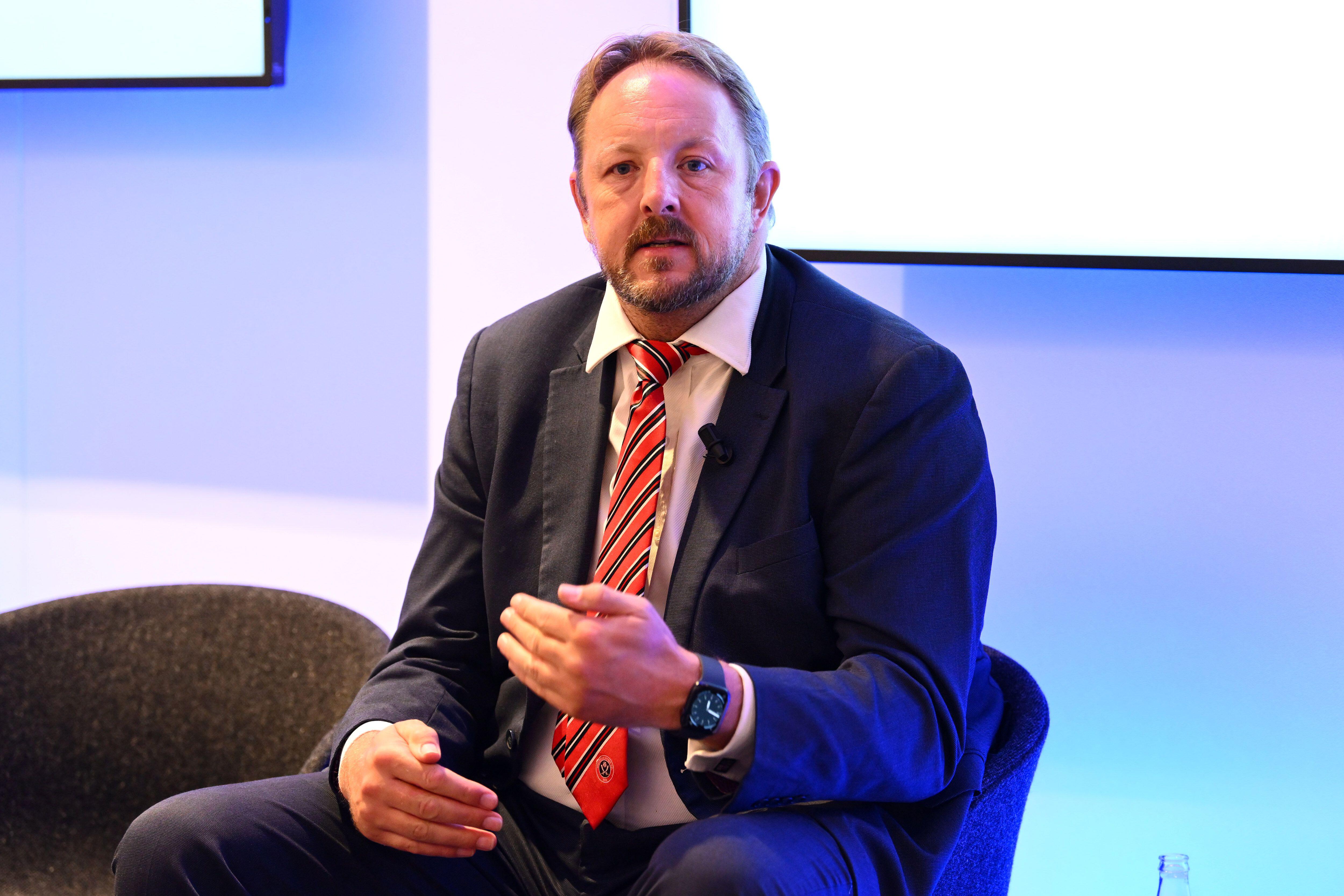
Toby Perkins
MATT CROSSICK/EMPICS/ALAMY
Google, Meta and Amazon are among the companies planning AI data centres in the UK, adding to its estimated 450 to 500 existing facilities.
Perkins said it was also vital to ensure the power-hungry data centres did not derail the government’s “urgent” need to bring energy prices down. That will hinge partly on whether data centre developers foot the costs for grid connections or they are “socialised” across all billpayers.
Ofgem said it was looking at options to let developers build their own grid connections at their own expense, “helping to accelerate connections and deliver better outcomes for consumers”.
The regulator is also looking at options to whittle down the connections queue to prioritise the most viable projects, such as by charging data centre developers fees to apply for a connection.
Perkins said he feared data centres competing for grid connections could squeeze out clean energy projects also seeking a connection, setting back efforts to cut carbon emissions.
“One of the things that is preventing other sectors from decarbonising, preventing businesses from putting solar panels on all their roofs for example, is access to the grid,” said Perkins, whose committee is planning an inquiry into the environmental impact of data centres.
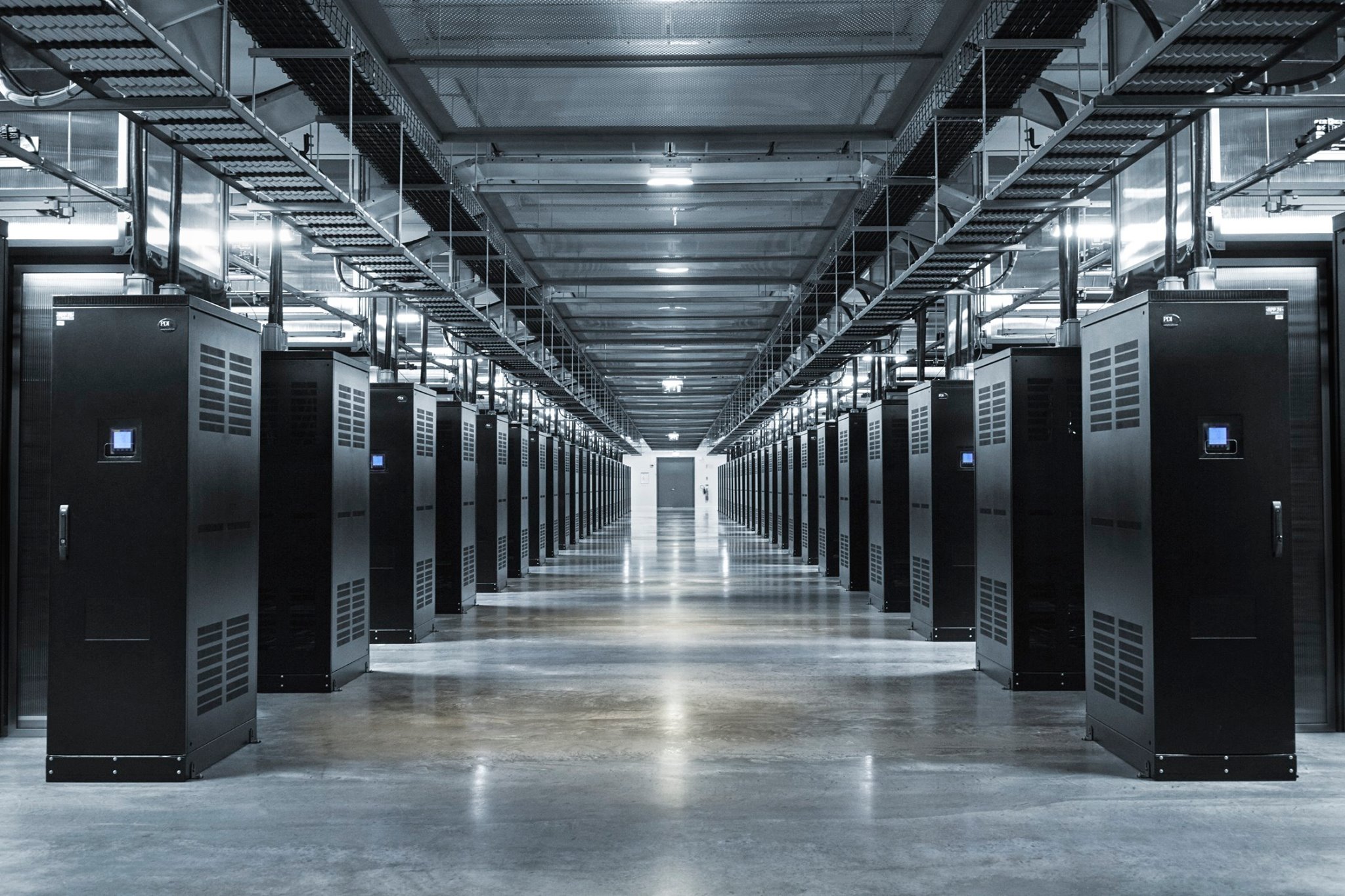
Meta’s Lulea data centre in Sweden
The Labour MP has written to Miliband asking whether the extra demand from data centres has been sufficiently factored in to the proposed target of cutting emissions by 87 per cent by 2040.
The government said: “Data centres are a vital part of our economy and our everyday lives. Our AI growth zones are driving their development in areas with new clean power generation such as north Wales, the home of our first small modular reactors.
“Data centres can only be connected where the grid can support them. The AI Energy Council is exploring opportunities to attract investment in new clean power sources for the industry, as we work with Ofgem and network companies to free up grid capacity.”
• The awkward moment AI rivals refuse to hold hands in ‘show of unity’
Katie Davies, head of energy and infrastructure policy at techUK, the trade association, said data centres were “the foundation of a modern, digital economy” and could boost economic growth. “Yet this growth hinges on data centres’ ability to gain timely access to energy, which is currently being hampered by the grid connection backlog as projects face delays of up to eight years.
“The proposed introduction of a deposit or fee for data centres to secure a connection is welcome. If implemented fairly and proportionately, this should help to ensure serious, committed projects are prioritised and connected to the grid as soon as possible.”