
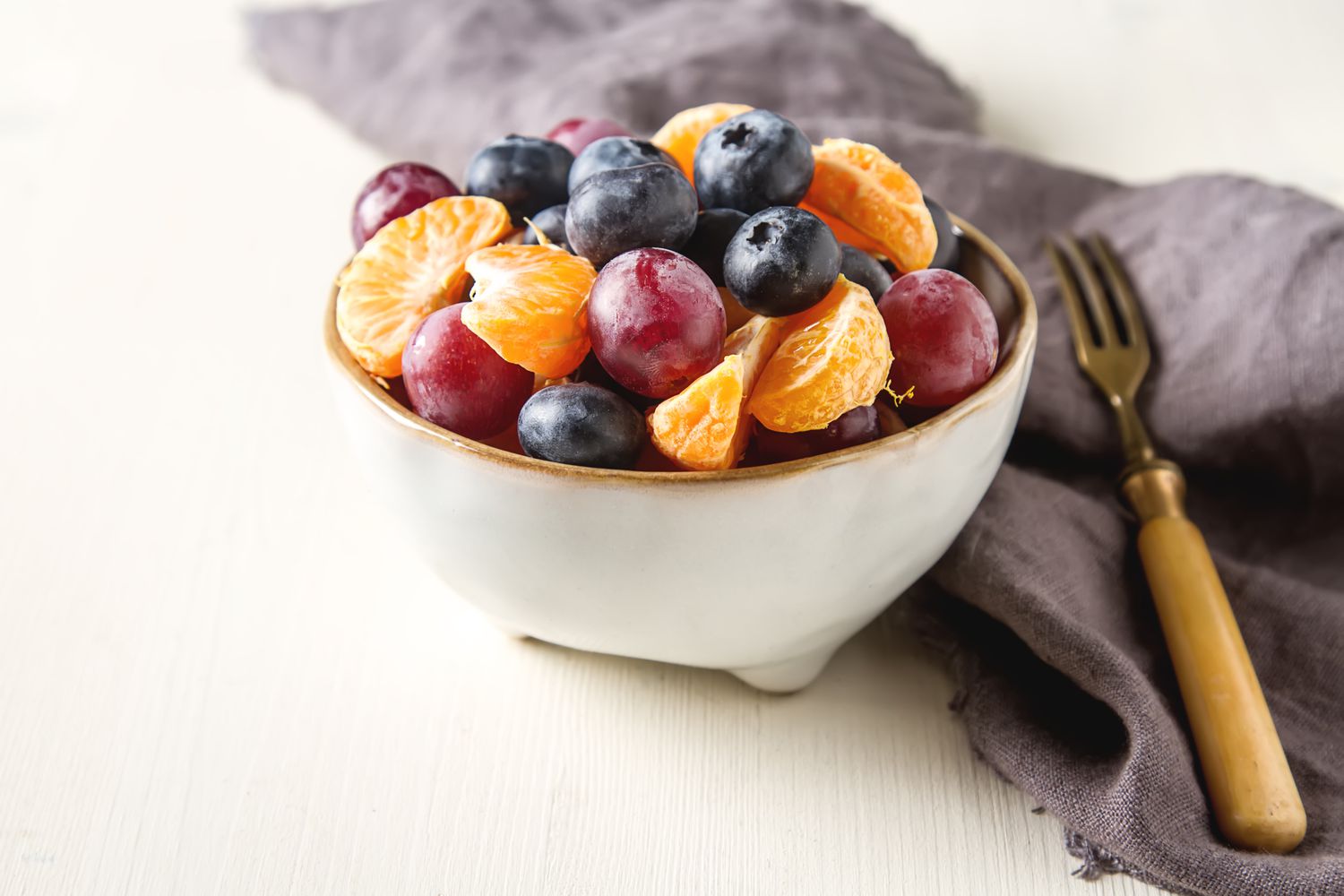
Eating antioxidant fruits is one of the simplest (and tastiest) ways to reduce your risk of disease. The reason? Antioxidants are compounds that protect healthy cells from oxidative stress, a process that damages cells over time. This damage can harm tissues and organs, eventually leading to disease. However, antioxidants can fight the molecules behind oxidative stress, potentially staving off chronic conditions.
Of course, fueling up on antioxidant-rich fruits is just one piece of the puzzle. Eating a balanced diet full of fiber, anti-inflammatory fats, and lean protein is also important. Other lifestyle habits like staying active, getting enough sleep, and managing stress may lower your risk of disease, too. It’s worth noting that all fruits contain antioxidants, making every variety beneficial. But if you’d like to prioritize options with the highest amounts, consider this list of the best fruits for antioxidants, according to experts.
Blueberries
Credit:
Getty Images
Blueberries are packed with anthocyanins, a type of antioxidant, says Daniela Novotny, RD, registered dietitian and senior instructor at the School of Health Sciences at Missouri State University. These anthocyanins help lower inflammation in the body, thereby reducing the risk of conditions like heart disease and some cancers, she adds. Blueberries are “also high in vitamin C, a water-soluble antioxidant that prevents cell damage, supports collagen synthesis, and boosts immunity,” says Novotny.
How to Eat
Oranges
Credit: Janelle Jones
Oranges are filled with antioxidants such as vitamin C, flavonoids, and carotenoids, according to Novotny. In the body, these compounds reduce inflammation and support overall health by enhancing the immune system, says Novotny. (Fun fact: The carotenoids also give the fruit its yellow-orange hue.)
How to Eat
Blackberries
Blackberries are rich in antioxidant anthocyanins, according to Michelle Luhan, RD, registered dietitian at the Susan Samueli Integrative Health Institute at UCI Health. Like other deep-colored fruits, they also offer flavonoids, vitamin C, resveratrol, and ellagic acid, all of which boast antioxidant properties, per Luhan. Plus, blackberries contain a generous amount of fiber, a key nutrient for healthy digestion.
How To Eat
Add blackberries to salads, stews, desserts, and confections, suggests Luhan.
Puree blackberries and mix into yogurt, oatmeal, or plain seltzer.
When dried and ground into a paste, Luhan says blackberries can add a natural sweetness to dishes.
Blend frozen blackberries in a Peanut Butter Berry Smoothie.
Red Grapes
Credit:
Getty / Jittima Kumruen
Red grapes are among the top fruits for antioxidants. They’re teeming with resveratrol, a class of antioxidant plant compounds that fight free radicals that damage cells, proteins, and DNA, says Luhan. “Resveratrol can also help lower blood pressure, reduce LDL (‘bad’) cholesterol, and protect against blood clots,” she adds. What’s more, the juicy fruit contains ellagic acid, which reduces both oxidative stress and inflammation.
How to Eat
The seeds of red grapes also contain resveratrol. Thus, if you want an extra dose of antioxidants, buy red grapes with seeds, suggests Luhan.
Pomegranate
Credit: anandaBGD / Getty Images
“Pomegranates are a great source of antioxidants like punicalagins and ellagic acid,” explains Novotny. “Both are anti-inflammatory and promote cardiovascular and skin health,” she adds. Pomegranates also provide potassium and fiber, which are important for healthy blood pressure and digestion, respectively.
How to Eat
Add pomegranate arils to yogurt or a grain bowl, recommends Novotny.
Prepare a Pomegranate Relish for your next meat dish.
Give your salads a tart twist by mixing the seeds into salads, per Novotny.
Sip on Pomegranate Tea with a dash of honey.
Sprinkle pomegranate seeds over roasted vegetables for added texture.