
Home » France Travel News » Turkey Joins United Kingdom, Italy, Lithuania, France, Spain, Poland, and Other Countries in Europe in Driving Unprecedented Tourism Growth with Record-Breaking Increases in Tourist Numbers and Overnight Stays
Published on
February 22, 2026
Image generated with Ai
Turkey has joined the United Kingdom, Italy, Lithuania, France, Spain, Poland, and other countries in Europe in driving unprecedented tourism growth, thanks to its diverse cultural offerings, stunning landscapes, and a strategic focus on enhancing visitor experiences. With a remarkable rise in international arrivals, extended overnight stays, and an increase in tourism revenue, Turkey has firmly established itself as a leading player in Europe’s tourism boom. Alongside other European tourism giants, Turkey’s rapid growth highlights the continent’s ability to adapt to changing travel trends, attracting millions of visitors from across the globe and contributing significantly to the region’s economic success.
The tourism industry across Europe has witnessed a remarkable recovery in recent years, and the year 2026 is shaping up to be another strong period for the region’s tourism sector. Leading the charge, Turkey has joined the ranks of major European countries—United Kingdom, Italy, Lithuania, France, Spain, and Poland—in driving an unprecedented tourism boom. With soaring international arrivals, extended overnight stays, and a surge in tourism revenue, Europe has solidified its position as the global leader in tourism. Let’s explore how each of these countries, including Turkey, is contributing to this remarkable tourism growth.
Turkey: A Leading Player in European Tourism
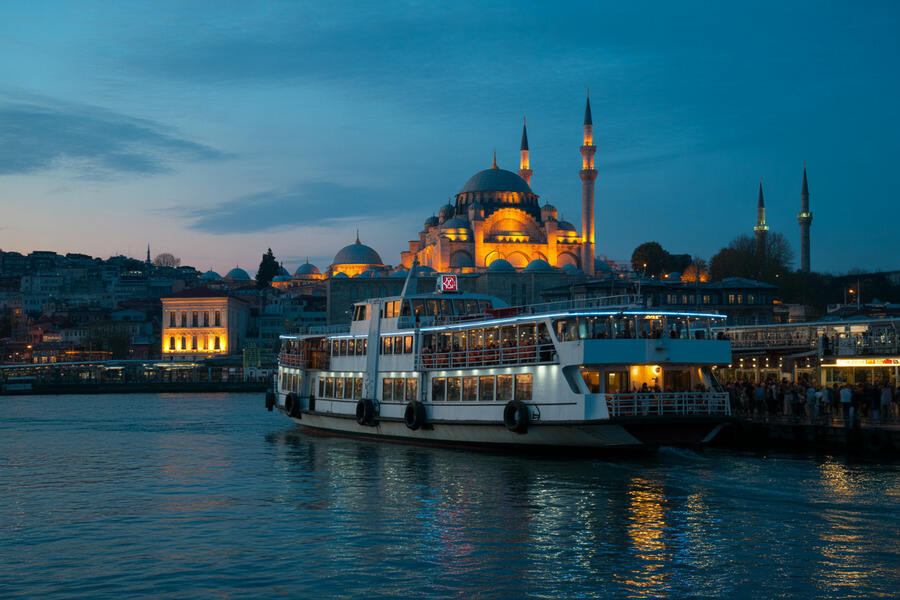
Turkey’s tourism industry has flourished in recent years, cementing its role as one of the top destinations in Europe and Asia. The country welcomed over 52.7 million international tourists in 2025, surpassing expectations with a significant 6.8% rise in revenues, totaling $65.23 billion. This remarkable growth is attributed to the country’s diverse cultural heritage, stunning landscapes, and the strategic positioning of cities like Istanbul, Antalya, and Cappadocia, which attract millions of visitors every year.
In January 2026, Turkey saw a 3.48% increase in foreign arrivals compared to the previous year, with more than 2.25 million visitors flocking to its historical landmarks, vibrant cities, and idyllic coastlines. Iran and Russia emerged as the top contributing countries, with Iran accounting for 225,205 visitors and Russia close behind with 220,160. The Turkish government has set ambitious targets for 2026, aiming for $68 billion in tourism revenue, which would mark another milestone in the country’s ongoing tourism success.
Advertisement
Advertisement
United Kingdom: A Strong Recovery Amid Challenges
The United Kingdom has experienced strong tourism growth despite global economic challenges. Major cities like London, Edinburgh, and Manchester remain top draws for international travelers, offering a unique mix of history, culture, and modern attractions. In 2025, the UK saw a surge in visitors from both traditional European markets and growing international markets such as India and China.
With a 9% increase in tourism revenue, the UK’s recovery has been fueled by high-spending visitors from regions such as the Middle East, alongside a notable increase in staycation tourism. The UK’s tourism sector has benefited from extensive marketing campaigns and investment in infrastructure to make travel easier and more accessible. The demand for both city breaks and rural retreats has given the UK’s tourism a well-rounded appeal.
Advertisement
Advertisement
Italy: A Classic Destination with a Modern Twist
Italy, renowned for its art, cuisine, and world-famous cities like Rome, Venice, and Florence, has experienced a resurgence in tourism, welcoming more international tourists in 2025 than any previous year. The country’s tourism growth is not just in its iconic landmarks but also in the growing interest in regions like Sicily, Tuscany, and the Alps.
The increase in tourism has translated into impressive economic returns, as Italy saw a rise of 8.5% in visitor spending. Additionally, Italy has become a top destination for those seeking gastronomic tourism and cultural experiences, especially through local food festivals, wine tasting tours, and cooking classes. With sustainable tourism practices becoming increasingly important, Italy’s move to promote eco-tourism is attracting conscientious travelers who wish to experience the country’s charm while minimizing their environmental impact.
Lithuania: A Rising Star in European Tourism
While Lithuania may not be as widely known as some of its European counterparts, it is undoubtedly one of the most impressive success stories in European tourism. The country has seen an explosive growth rate of more than 20% in tourist arrivals in 2025. Vilnius, the capital, has become a hotspot for international visitors due to its rich history, medieval architecture, and vibrant cultural scene.
Lithuania’s tourism growth is fueled by both European and global visitors, with significant interest from Asian countries, particularly Japan and China. In addition to its historical charm, Lithuania has invested heavily in creating modern attractions such as wellness centers, spa resorts, and nature trails in its picturesque forests and lakes. This combination of old-world allure and modern conveniences has made Lithuania an increasingly popular destination for travelers.
France: A Perennial Leader in Global Tourism
France remains one of the most visited countries in the world, thanks to its rich cultural heritage, iconic landmarks, and diverse landscapes, from the bustling streets of Paris to the serene countryside of Provence. In 2025, France experienced record levels of tourist arrivals, surpassing 90 million international visitors.
The French Riviera, Parisian art museums, and historical sites like Versailles remain as popular as ever. However, France has also benefited from a surge in rural tourism, with more people visiting smaller towns and villages that offer authentic French experiences. The government’s investment in high-speed rail networks has made it easier than ever for tourists to explore all parts of the country. Furthermore, France’s appeal for luxury travel, wine tourism, and cultural events such as the Cannes Film Festival ensures it remains a dominant force in the global tourism market.
Spain: Sun, Sea, and a Diversified Tourism Experience
Spain has long been a favorite of sun-seekers, but the country’s tourism sector has evolved significantly, offering a more diverse experience for international visitors. Whether it’s the beaches of Costa Brava, the architectural wonders of Barcelona, or the cultural heritage of Seville, Spain continues to draw millions of visitors each year.
In 2025, Spain saw a 3.2% increase in tourist arrivals, totaling around 96.8 million international visitors, a record high. The country’s tourism revenue reached new heights, bolstered by the increased length of stays and higher visitor spending, especially in regions like Catalonia, Andalusia, and the Balearic Islands. Spain is also becoming a top destination for gastronomy tourism, with its Michelin-starred restaurants and food festivals attracting food lovers from across the globe. Spain’s ability to cater to all types of travelers, from backpackers to luxury seekers, has solidified its status as one of Europe’s leading tourism giants.
Poland: A Growing Tourism Hub in Eastern Europe
Poland’s tourism industry has been on an upward trajectory, and in 2025, it was the second-fastest-growing destination in Europe, after Malta. The country’s blend of medieval castles, vibrant cities like Kraków and Warsaw, and natural beauty—such as the Tatra Mountains and Białowieża Forest—have contributed to its growing popularity.
The number of international visitors to Poland grew by 15% in 2025, driven by tourists from countries like Germany, the United States, and increasingly, Asia. Cultural tourism plays a significant role in this growth, with tourists flocking to Poland to explore its rich history, museums, and heritage sites such as Auschwitz. Additionally, Poland’s burgeoning wellness and spa industry, combined with its affordable prices compared to other European destinations, has helped make it an increasingly attractive option for travelers.
Other European Countries with Notable Tourism Growth
Beyond the main tourism giants, other European countries are also experiencing strong growth in their tourism sectors. Countries like Portugal, Greece, Croatia, and Hungary have seen increases in international arrivals and overnight stays.
Portugal has benefitted from its coastal cities like Lisbon and Porto, while Greece has continued to be a top destination for those seeking beach holidays, with popular islands like Santorini and Crete attracting record numbers of tourists.Croatia has emerged as an increasingly popular summer destination, with its Adriatic coast and UNESCO World Heritage Sites becoming major attractions. Hungary, with its stunning capital Budapest, has capitalized on its affordable prices and thermal baths, drawing travelers from across Europe.A Stronger, More Diverse Europe
Europe’s tourism growth in recent years reflects the continent’s ability to adapt to changing trends and attract travelers from across the globe. As countries like Turkey, the United Kingdom, Italy, Lithuania, France, Spain, and Poland continue to rise in popularity, the entire region is reaping the benefits of a diversified tourism sector. Whether it’s luxury tourism, cultural experiences, gastronomic delights, or eco-tourism, Europe has proven it can cater to every type of traveler.
Turkey has joined the United Kingdom, Italy, Lithuania, France, Spain, Poland, and other countries in Europe in driving exceptional tourism growth due to its rich cultural heritage, stunning landscapes, and growing popularity among international travelers. This surge in arrivals and extended stays reflects the country’s rising appeal as a key global tourism destination.
With Europe’s tourism revenues continuing to rise, countries are setting ambitious goals to attract even more visitors in the coming years, investing in infrastructure, sustainability, and unique cultural offerings to ensure that tourism remains a key driver of economic growth. The future of European tourism is brighter than ever, offering a wealth of experiences for global travelers to enjoy.
