
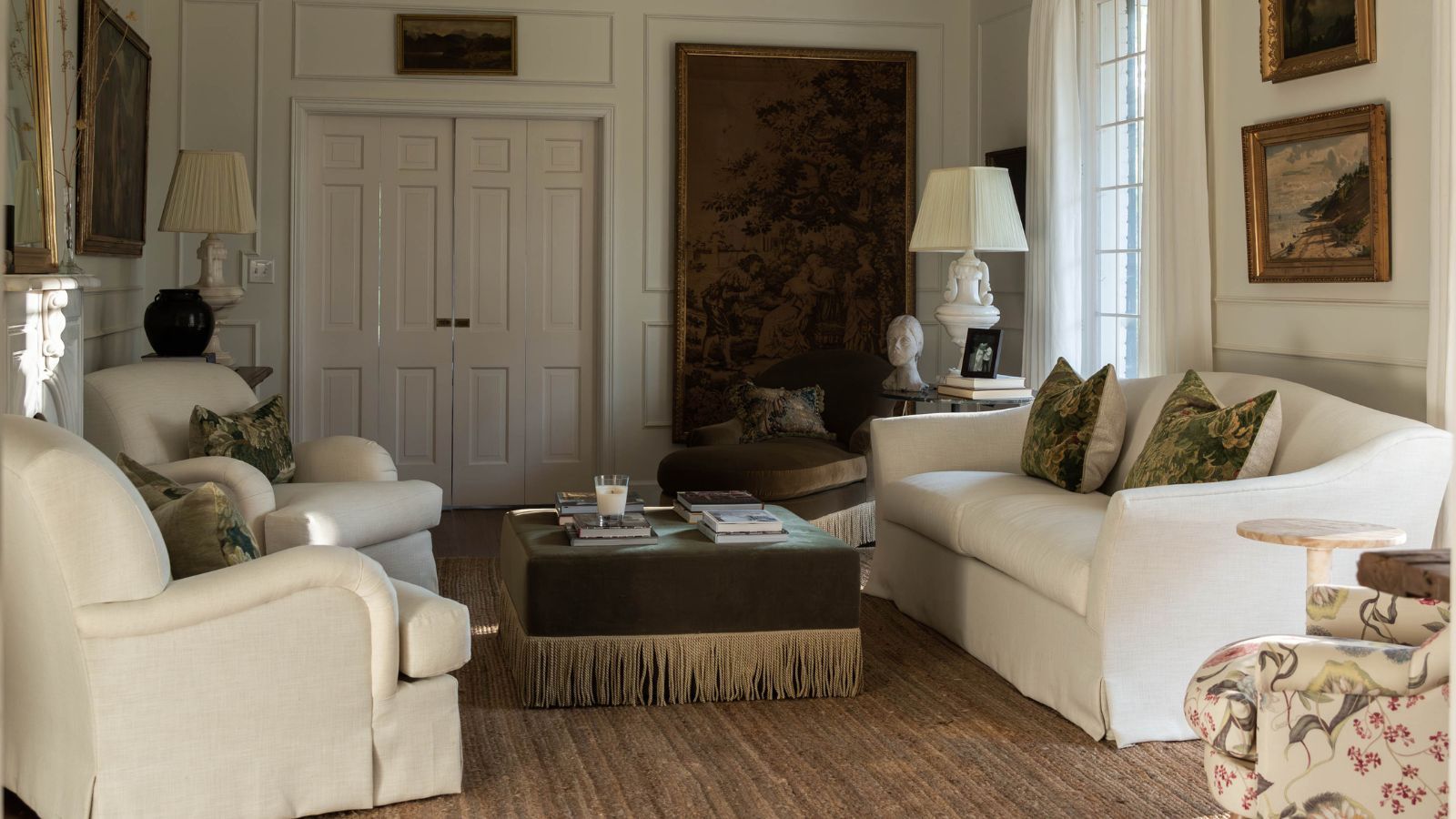
Open-plan living has long been hailed as the gold standard of modern layout. But did you know there’s a much more thoughtful approach to consider – and it’s called micro-zoning.
‘Micro-zoning is about creating intentional moments within a space rather than relying on a room to serve just one singular function,’ explains Kailee Blalock of House of Hive Design Co.
It makes sense. Our homes now double as offices, retreats, and entertaining spaces, and the old one-room-one-purpose mindset simply feels out of style. Enter this designer-approved method that helps you to divide up a room into intentional pockets to make open-plan living feel more defined – all without adding a single wall.
You may like
What is Micro-Zoning?
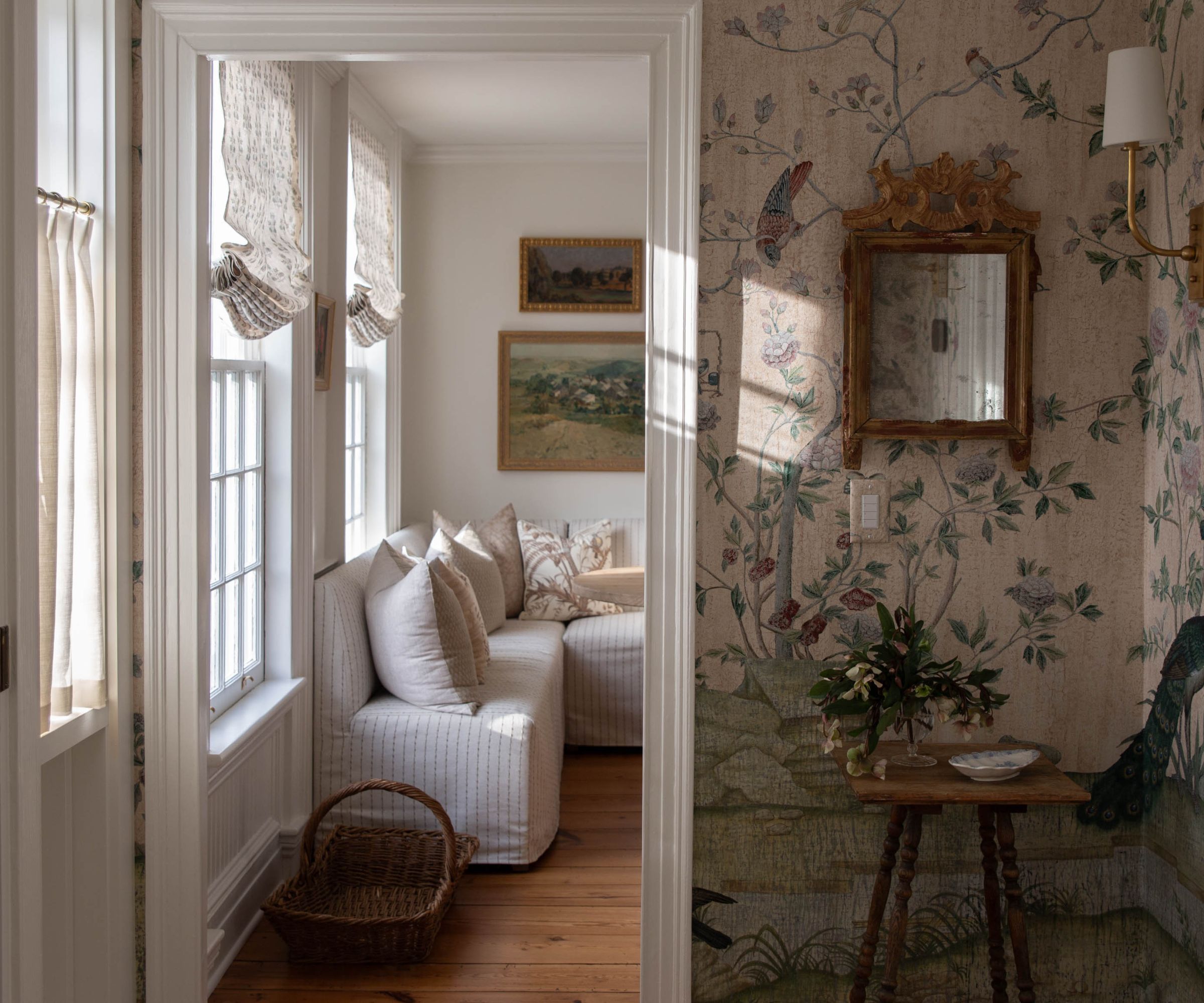
In this stylish yet awkward hallway space, the wall mural does all the heavy lifting with a small micro-zone has been created with a table, sconce, and mirror.
(Image credit: Carley Summers)
From open-plan living rooms to spacious open-plan kitchens, our homes have grown less and less enclosed in recent years. But it now feels like open-plan is going out of style for good, with us all craving the coziness of closed concept once again.
Micro-zoning works as a bit of a bridge between the two. Instead of making any drastic changes, designers use this method to create a series of purposeful moments within a space – each one shaped to support a different activity, mood, or time of day.
‘Micro-zoning is not dividing a space with walls, but with true intention. Intention that carries the mood,’ designer Alexis Vitale of Vitale Design Group explains. ‘Sometimes true luxury is not square footage. It’s how thoughtfully we live in that space.’
Think a reading chair angled toward the fireplace, a small table pulled near a window to turn it into a morning coffee spot, or a thoughtfully placed rug that simply groups it all together.
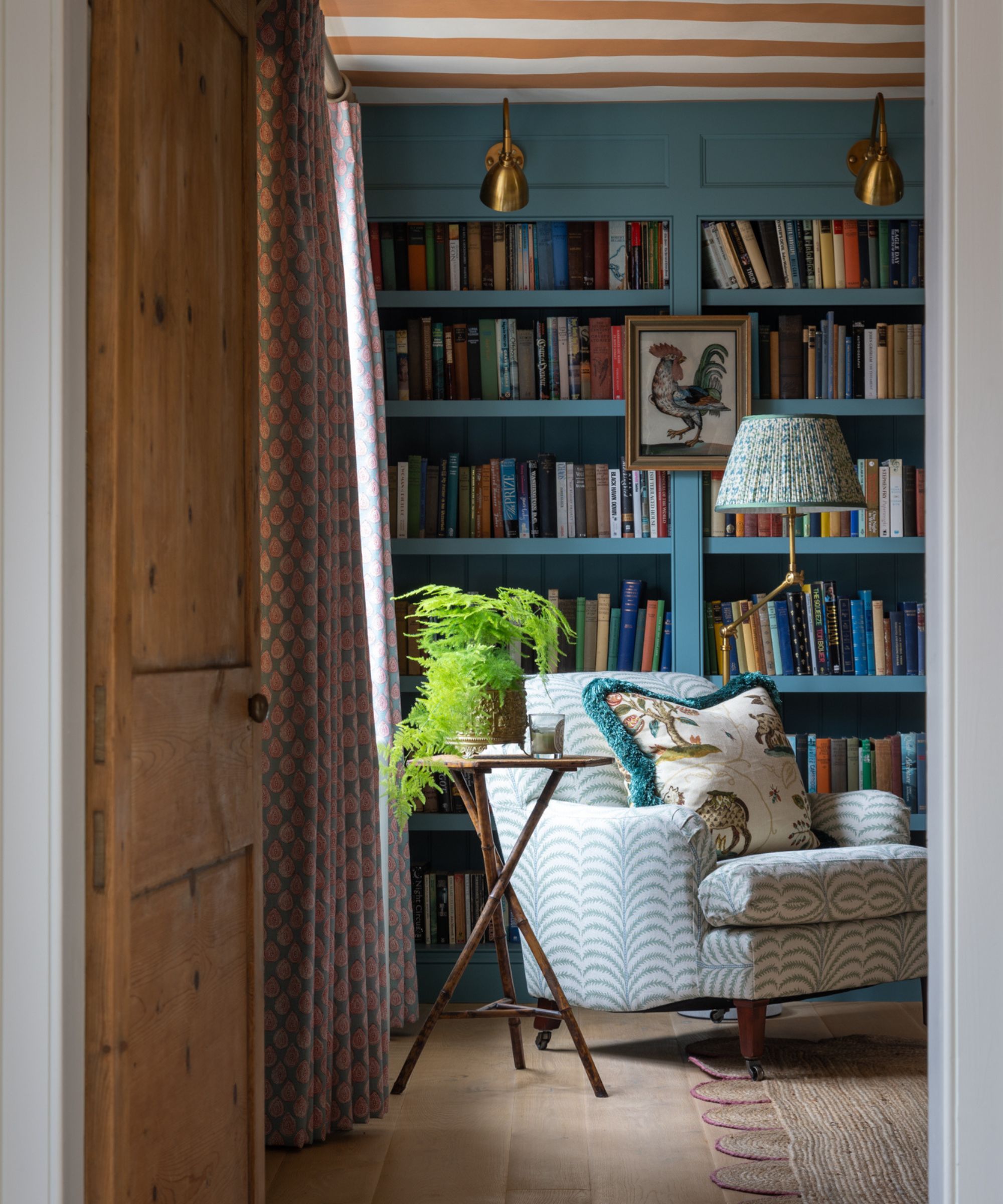
A micro-zone isn’t the main character of the room, but rather a small break-away area like this armchair, floor lamp, and table vignette perfect for reading.
(Image credit: Sean Symington / Photography Chris Wakefield)
One of the reasons designers love the idea of micro-zoning is that the payoff is immediate. Without renovating, adding square footage or stud walls, or even investing in large furniture pieces, you can quite quickly reshape how a room functions.
By assigning clear purposes to different corners or pockets of a space, rooms begin to feel calmer, more balanced, and easier to navigate, says designer Bethany Adams.
‘To me, micro-zoning is the answer to keeping clutter at bay, which, in turn, leads to a more beautiful, harmonious home,’ she explains. ‘If there are crayons and paper in every room of your home, you know what I mean!’
What to read next
‘Giving each activity a designated area in which to perform it will make life run more smoothly and give you more time and energy for making it beautiful.’
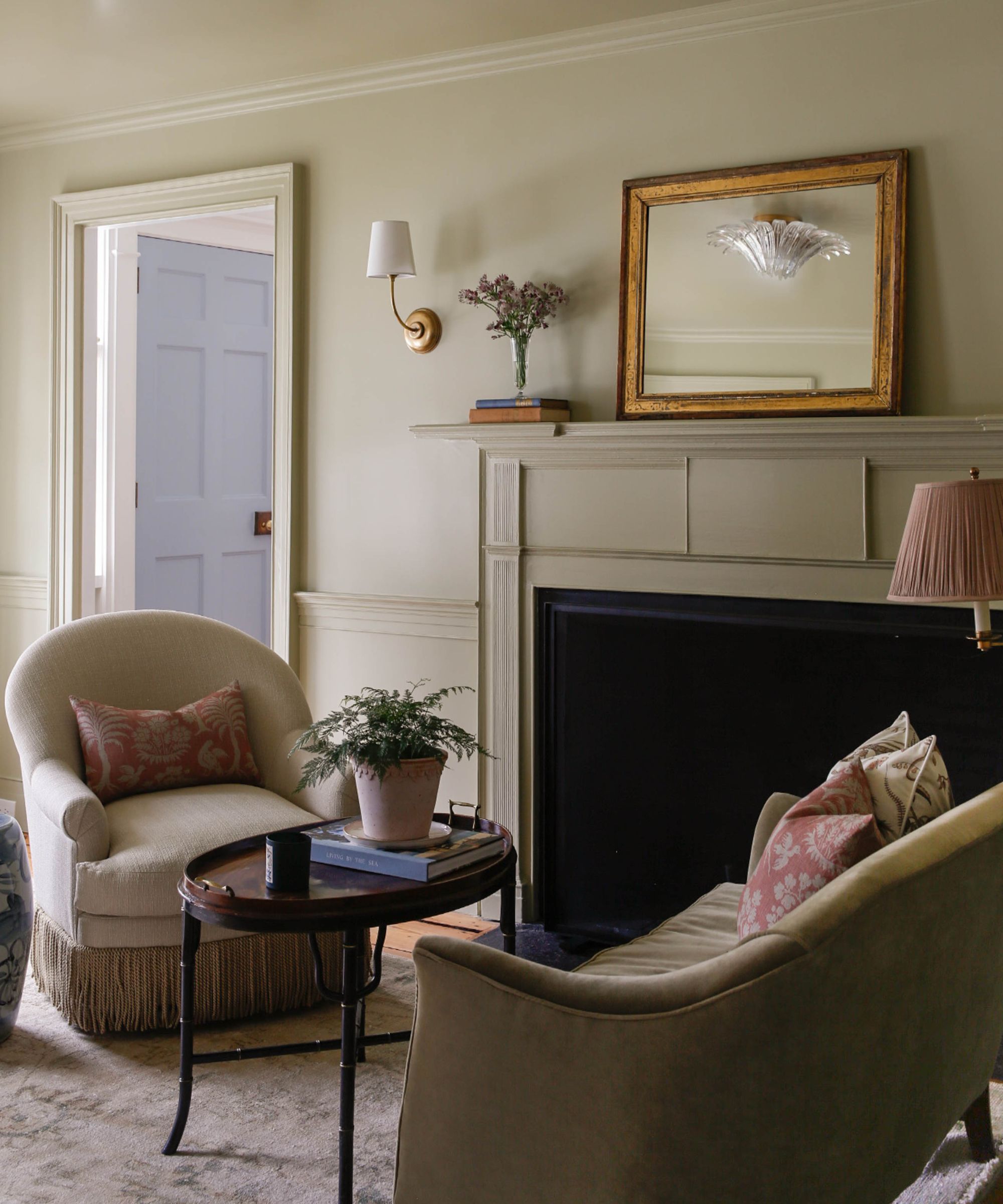
Set-up in an awkward transition space, this fireplace has been brought into the conversation area thanks to the thoughtful positioning of the small couch, chair, and rug that define the sitting area.
(Image credit: Carley Summers)
‘In larger country homes or open-plan spaces, this approach brings a sense of intimacy and intention whether through a well-placed rug, layered lighting, or considered furniture placement that quietly defines areas for reading or working,’ Sean Symington adds.
These subtle definitions make even spacious or open-plan rooms feel more inviting, because they replace empty corners with moments of purpose and style, too.
‘It’s a gentle way of giving a room rhythm and creating little moments within it,’ he continues.
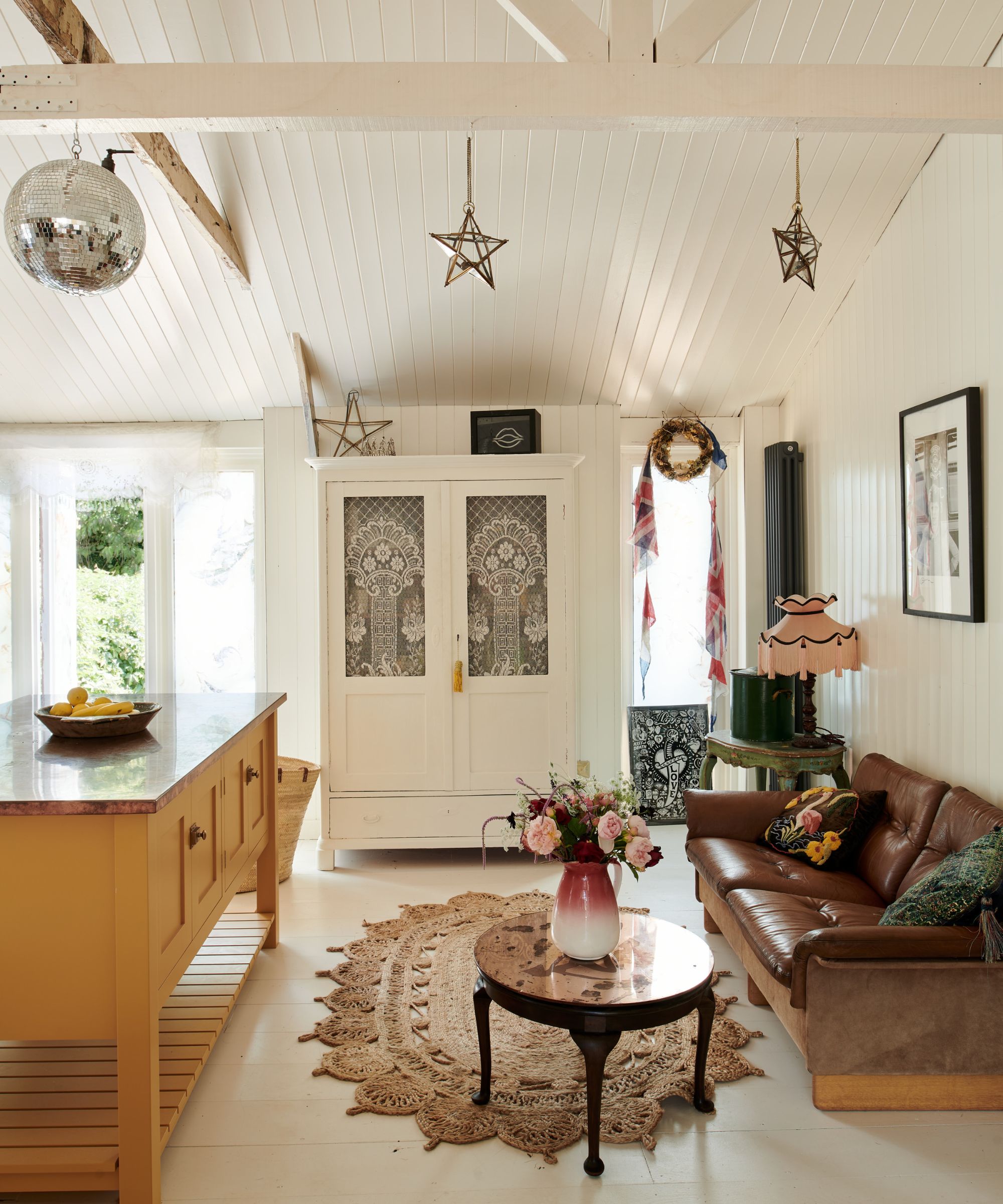
A classic case of a kitchen micro-zone, in this deVOL space, a vintage couch, rug, and tables have been used to create a lounge area that doesn’t detract from the functionality of the room.
(Image credit: deVOL Kitchens)
While the visual benefits are immediate, designer Kathy Kuo says the real magic of this interior design principle is how it elevates daily rituals.
‘I like to think of micro-zoning as a way to amplify the beauty of life’s everyday moments,’ she says. ‘Dedicating a zone for a set activity makes even the smallest tasks feel intentional and special, whether you’re curling up with a good book, penning a handwritten letter, or playing board games on a Saturday night.’
‘Design a home office in your bedroom, complete with a charming antique writing desk and a cozy upholstered armchair,’ she suggests. ‘Create an old-fashioned gaming zone in the living room, centered around a petite bistro table and a set of side chairs.’
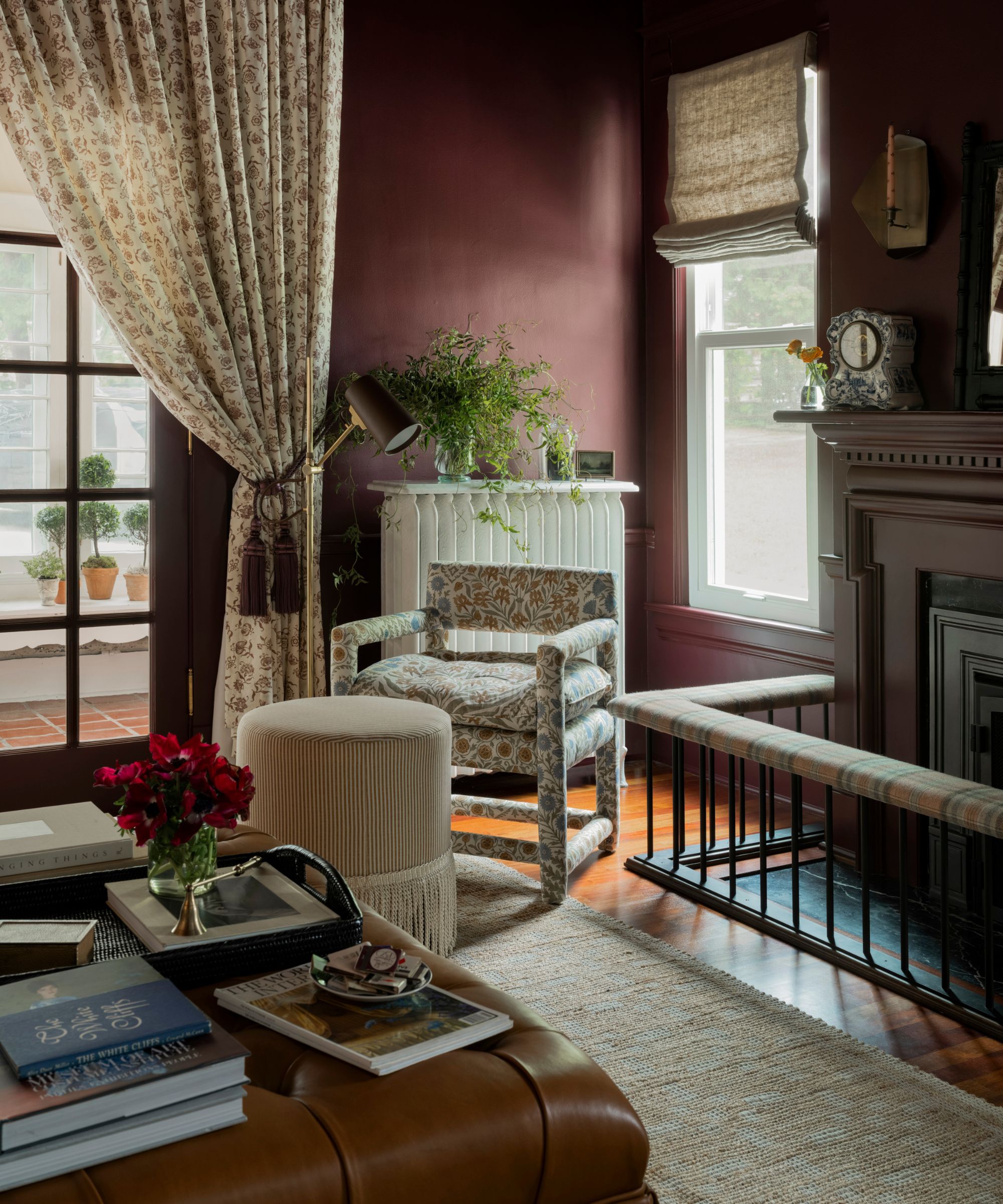
Make the most of empty corners with a small chair and foot stool that help define this small area between the fireplace, doors, and window.
(Image credit: Oho Interiors)
If you’re thinking this all sounds like a luxury reserved for sprawling layouts, designers say the opposite is true.
Micro-zoning is often most transformative in compact spaces, and, rather than making a space feel crowded, layering a room with defined areas can actually make it feel larger, because the eye sees purpose and structure instead of visual noise.
‘We often apply this thinking to smaller rooms too,’ says Sean Symington. ‘It may sound counterintuitive but layering a space properly and allowing it to feel comfortably full can actually make it feel more generous and far more liveable.’.
‘Even if you live in a small apartment, you can designate a corner of the living room for arts and crafts, or a corner of the kitchen for pet toys, or outgoing mail, etc.’ Bethany advises.
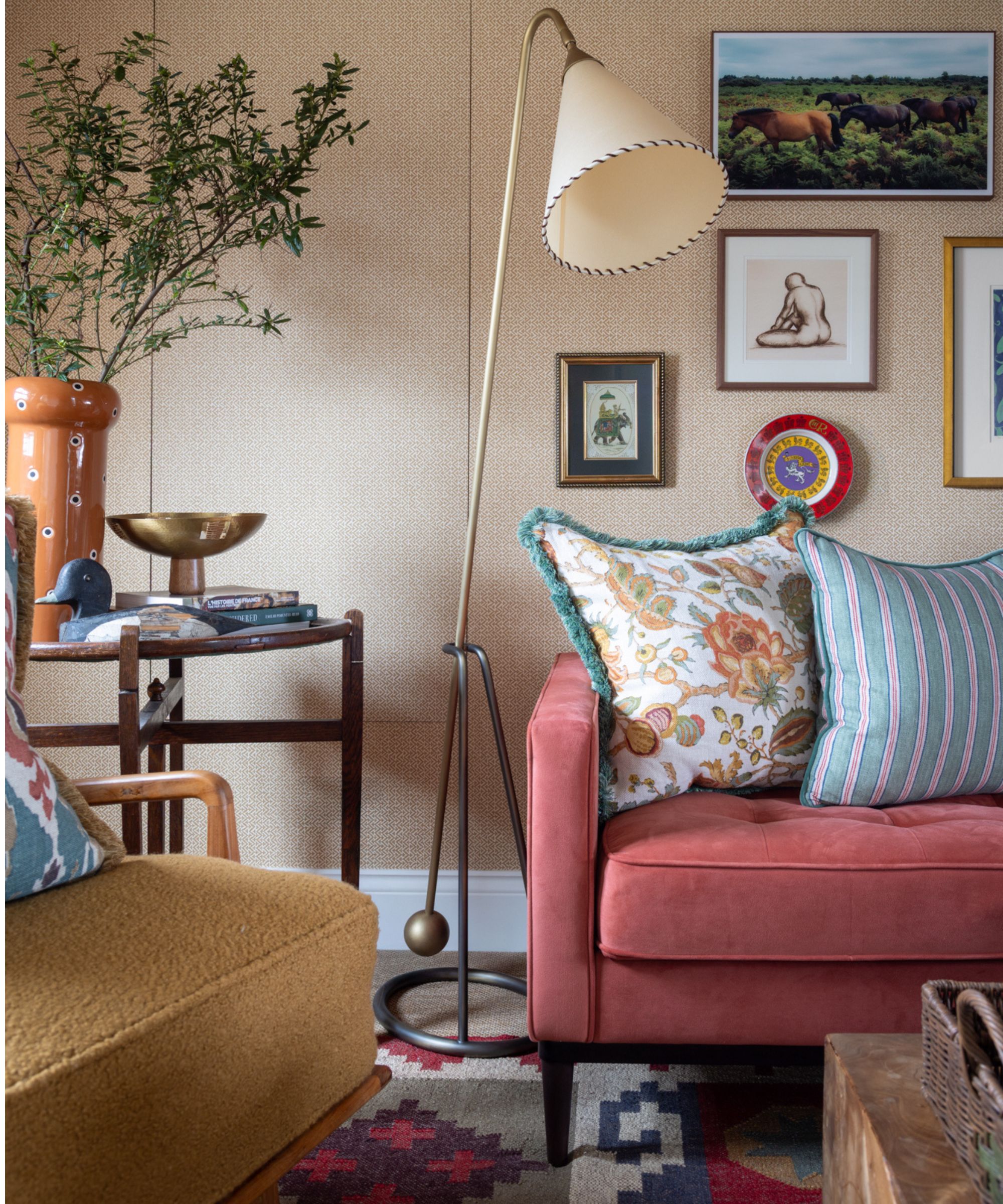
If you have a large empty corner between seating, a round table like this one that stands a little taller than a standard side table works perfectly to become a design moment in and of itself.
(Image credit: Sean Symington / Photography Chris Wakefield)
One of the most effective ways to introduce micro-zoning is by thinking in vignettes, rather than rooms. These are small, intentional clusters of furniture and decor that creates a style snapshot within a space.
‘We often design these layered vignettes to support different moods throughout the day,’ says Kailee. ‘A lounge chair tucked into a sunny corner for morning coffee, a writing desk positioned to feel quietly separate from the main living space, or a conversational seating area that encourages connection in the evening.’
‘By using furniture placement, lighting, rugs, millwork, or even subtle shifts in materiality, you can carve out distinct zones for reading, working, socializing, or unwinding without the need for physical walls.
In the living room you could implement the chair + lamp + table layout hack for an easy micro-zoning formula that never fails.
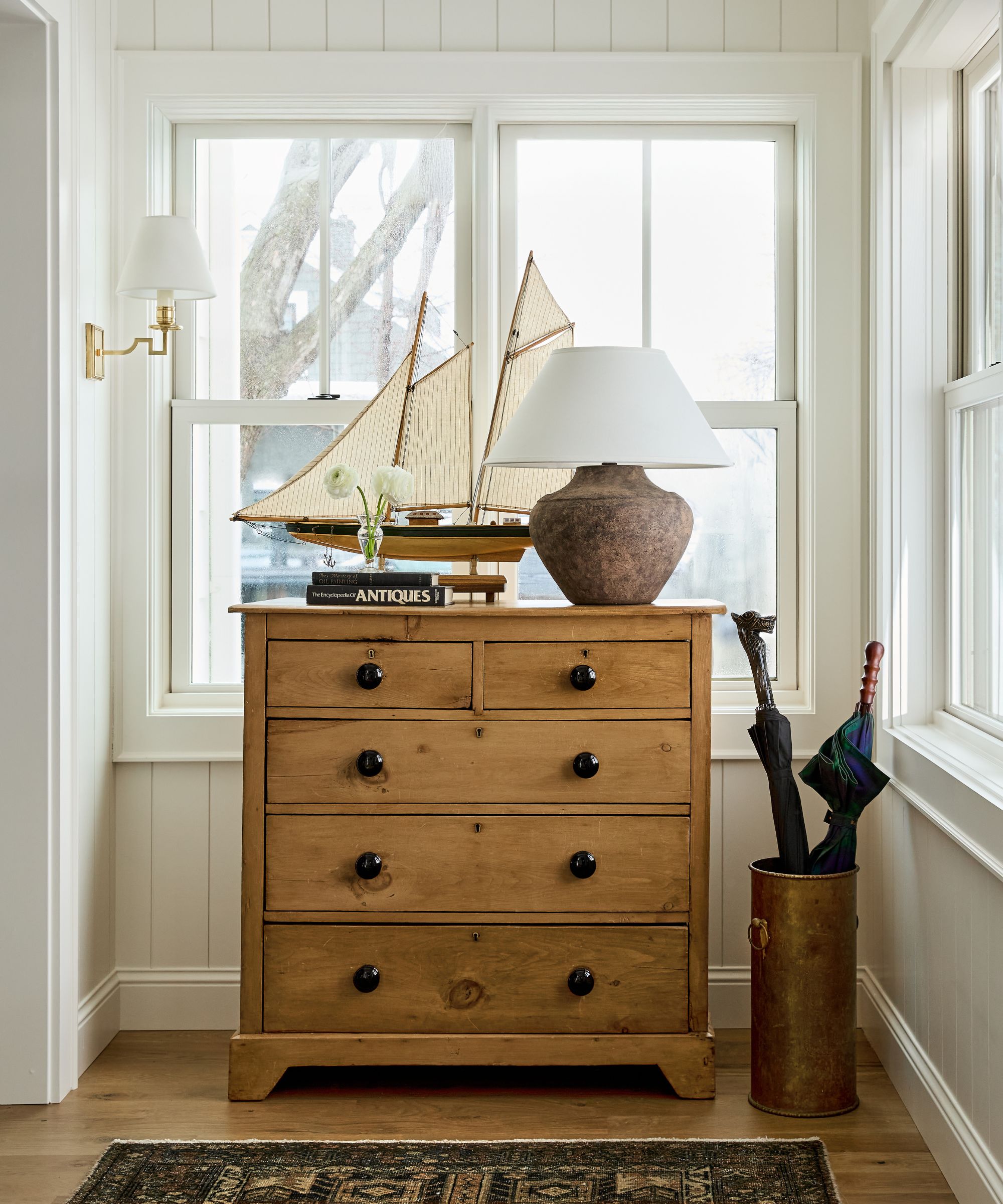
The clue is in the title – a micro-zone is free to be tiny. This vintage dresser and decor pieces create a little pocket of storage and intrigue that doesn’t overwhelm.
(Image credit: Oho Interiors / Photography Ashley Sullivan)
Small adjustments can completely shift how a room functions and feels. The key is to use visual cues (not walls) to signal where one zone ends and another vignette begins.
‘Pull in decorative accents like rugs, lighting, and artwork to help define each zone as its own individual area and make it a place you genuinely want to spend time,’ Kathy suggests.
A rug is one of the most effective zoning tools because it instantly establishes a visual boundary. Placing one beneath a bench, desk, or reading chair signals that the area has a specific purpose, helping the cluster feel structured rather than scattered.
Lighting is a subtle but powerful play. A floor lamp beside an armchair suggests a reading nook, while a pendant over a small table can create the feeling of a dedicated dining, work, or craft spot.
Instead of pushing everything against the walls, try to position pieces to carve out natural pathways and purposeful pockets. A couch turned slightly inward can define a conversation area, while a console behind it can mark the transition into another zone. These little shifts help a micro-zone feel thoughtfully planned.
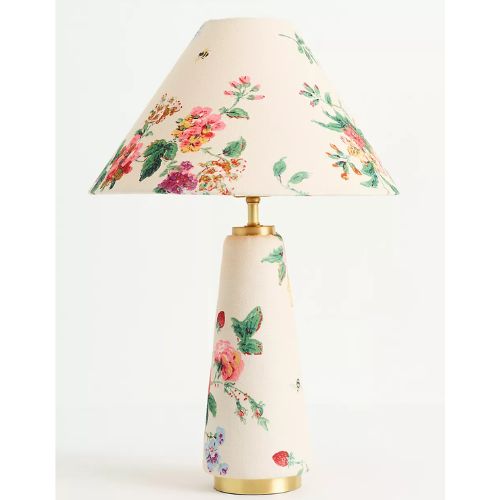
AnthroHome
Lulu Printed Fabric Upholstered Empire Table Lamp
Lighting is one of the quickest ways to signal a shift in mood, and this floral upholstered lamp does exactly that. With its sculptural empire shade and richly patterned base, it adds romance to a reading nook, bedside, or console corner.
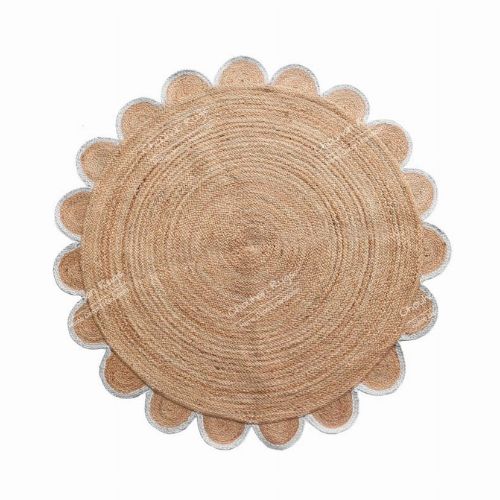
Walmart
Natural Jute Scallop Round Rug
A rug is the foundation of any zone (micro or maxi!), and this scalloped jute design grounds a spot perfectly. The circular shape naturally draws furniture inward, making it ideal for anchoring a small seating arrangement, breakfast nook, or conversation corner.
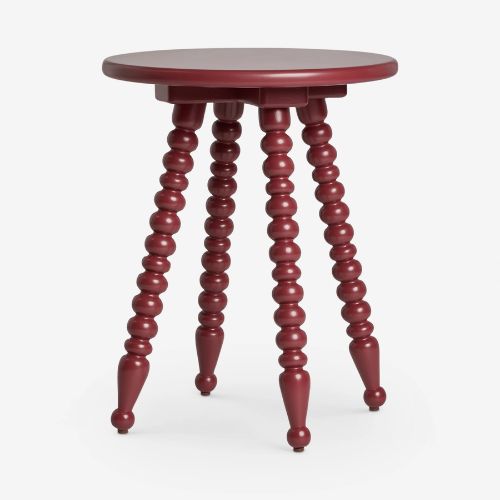
Lulu and Georgia
Lucca Round Side Table by Heidi Caillier
Designed by Heidi Caillier, this bobbin-style side table might be petite but its full of personality. Its compact size makes it perfect for carving out a dedicated vignette beside an armchair, tucked into an entry corner, or paired with a lamp and wall art.
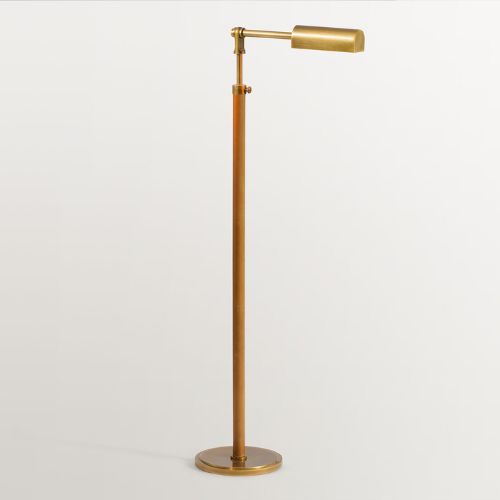
Pottery Barn
Chambers Leather Adjustable Task Floor Lamp (37″)
This adjustable leather and brass floor lamp is both brilliant for task lighting and acting as a spatial marker. Its directional arm lets you spotlight a specific area like a desk, lounge chair, or craft corner.
West Elm
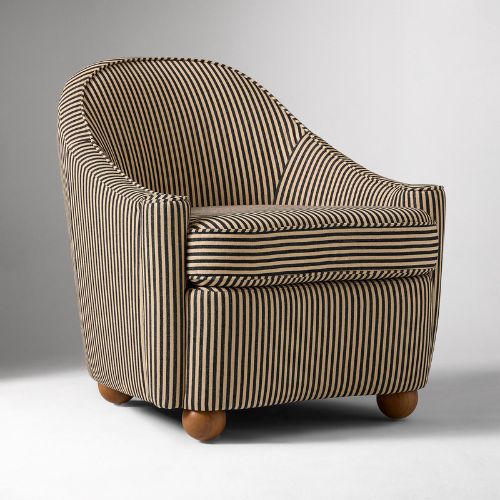
Pierce & Ward Curved Slipper Chair
Designd in collaboration with renowned design duo Pierce & Ward, this curvy accent chair can create a zone all on its own. The rounded back and plush upholstery naturally give it a sense of comfort, whether styled with a side table or left as a standalone statement.
Target
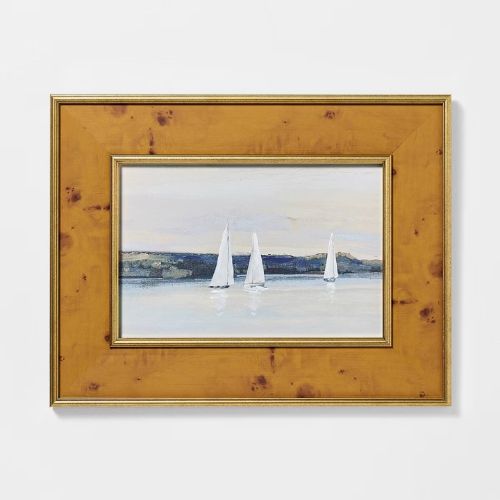
Sailboat Wall Art – Threshold designed w/Studio McGee
Art and mirrors are an often-overlooked zoning tool, but a well-placed piece can visually anchor an area just as effectively as furniture. This framed sailboat print draws the eye and creates a serene feeling, making it ideal above a writing desk, reading chair, or console.
Ultimately, micro-zoning isn’t about adding more things to your home – it’s about giving the things you already have a clearer purpose and distinction. It’s a subtle shift, but one designers say can transform not just the look of a space, but the experience of being in it.