
Image credit: BsArq
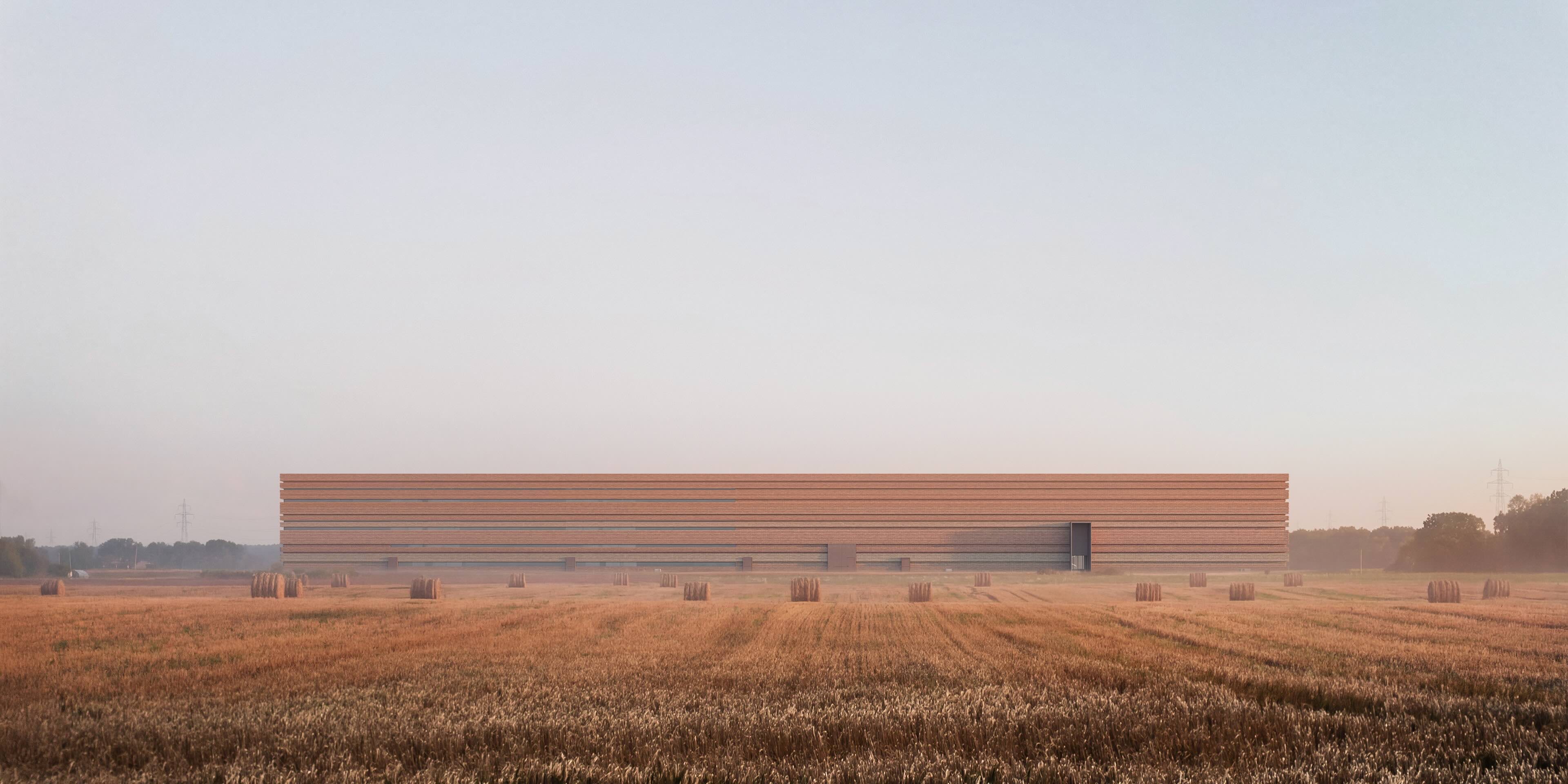
Image credit: BsArq
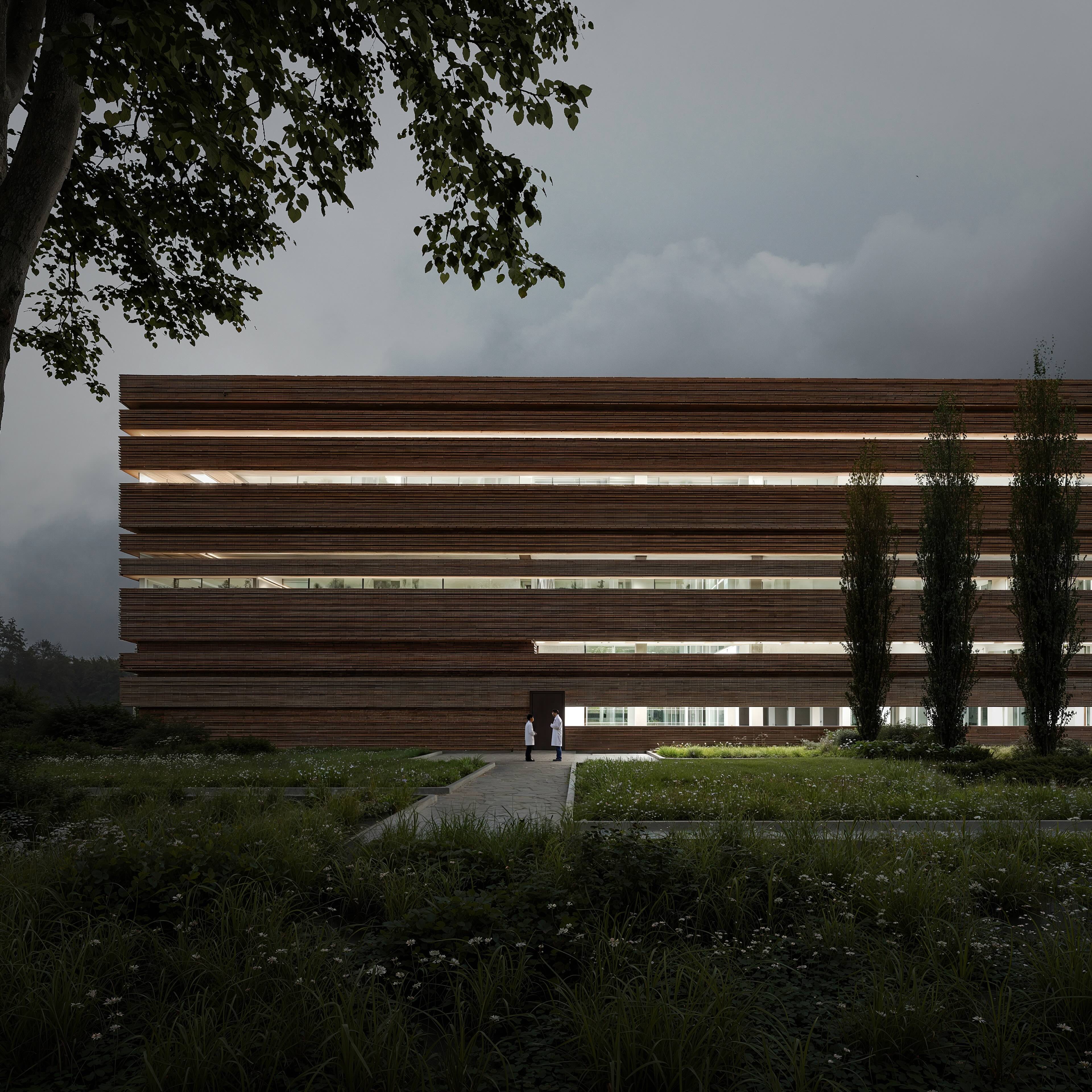
Image credit: BsArq
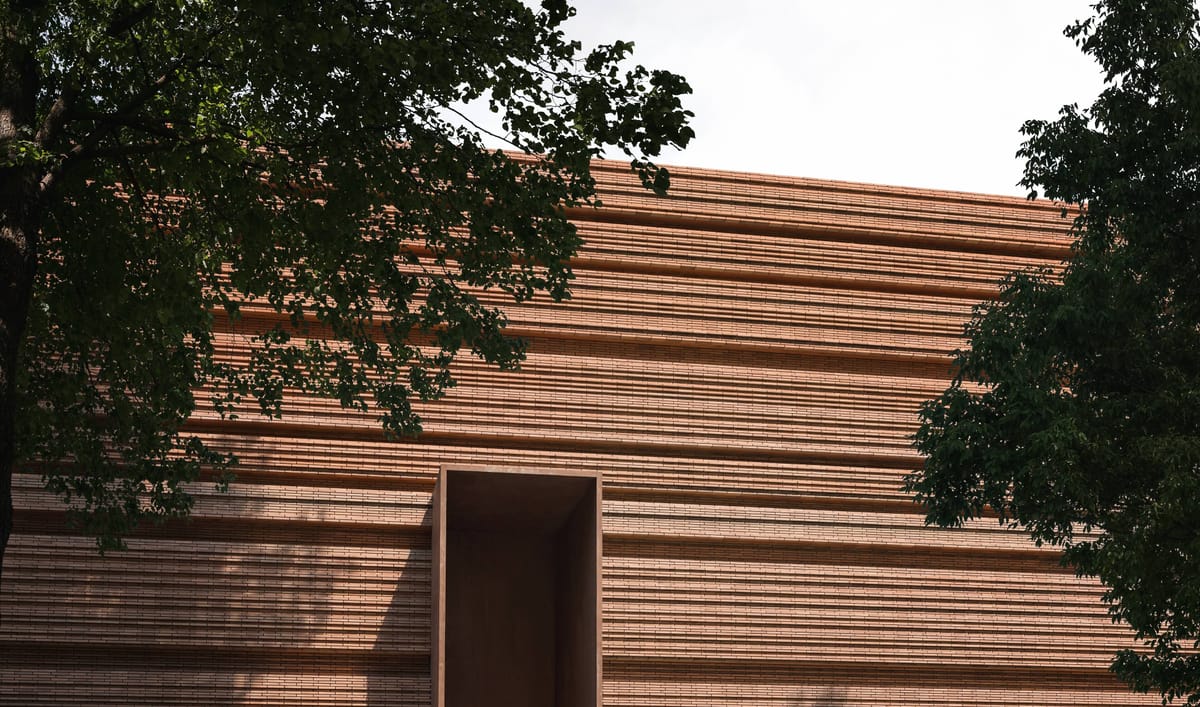
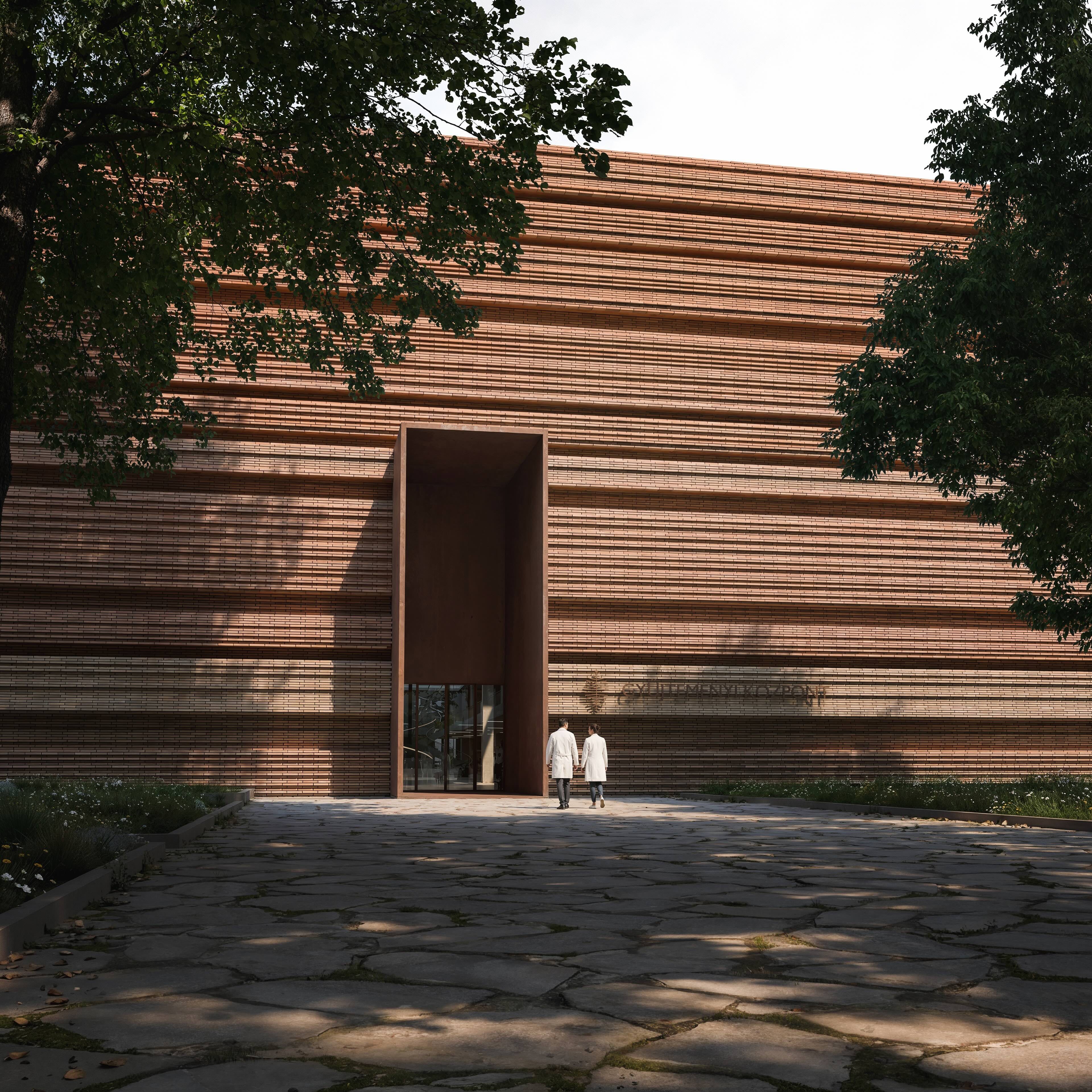
The 430,000-square-foot Collection Centre forms part of a wider program of urban and academic development in Debrecen, Hungary’s second-largest city. The center will support the storage, research, and conservation of more than 11 million artefacts and specimens. The design of the scheme is based on the idea of the “building as vessel,” drawing on the form and cultural significance of traditional Hungarian clay containers used to preserve food and materials. The proposed structure is an elongated rectilinear volume, conceived as a solid and durable form suited to long-term conservation.
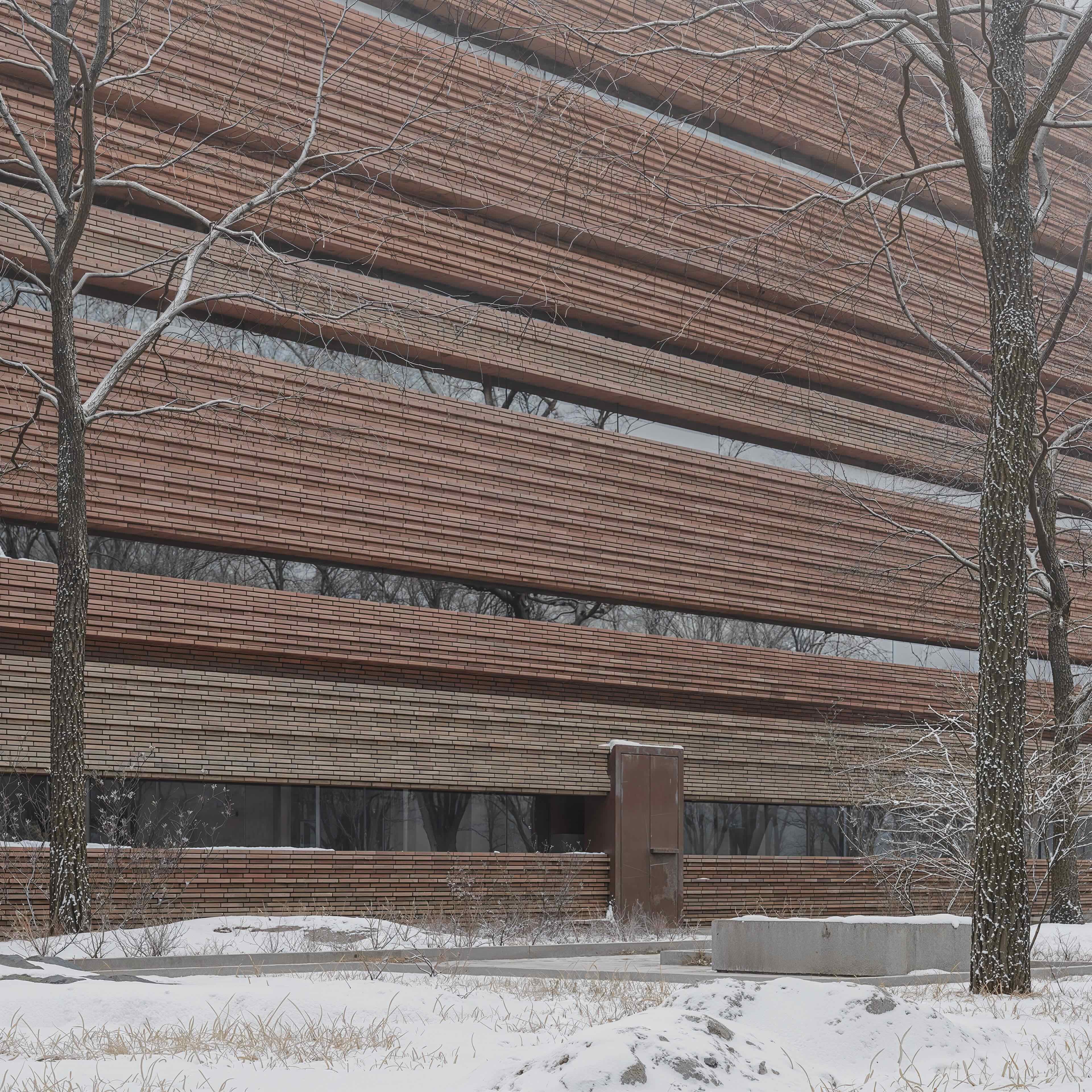
Image credit: BsArq
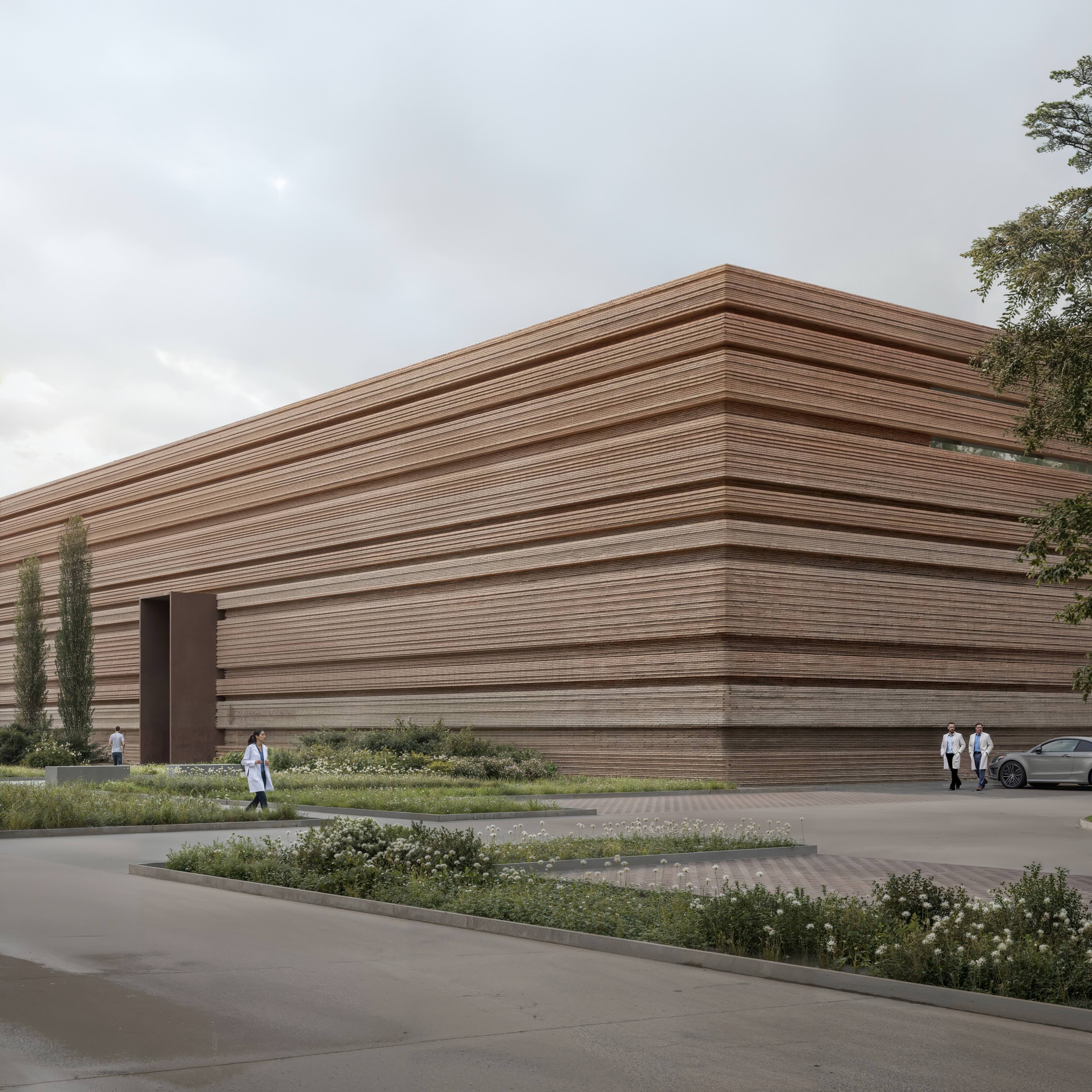
Image credit: BsArq
A stratified brick facade references Hungary’s geological diversity, with bricks produced from soils sourced across different regions of the country. Variations in color are intended to symbolically reflect the museum’s fields of study, including geology, palaeontology, zoology, anthropology, and ecology.
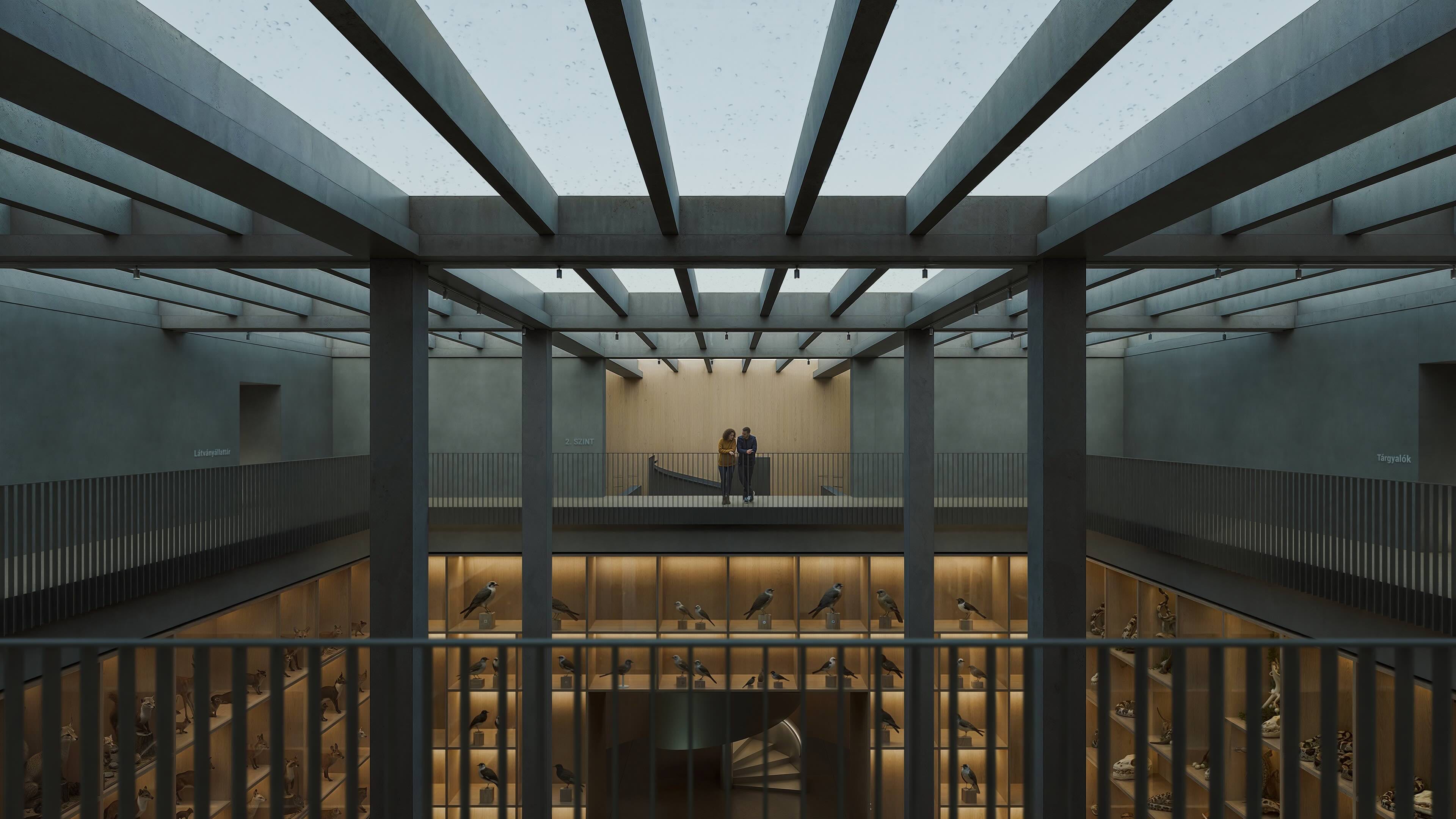
Image credit: BsArq
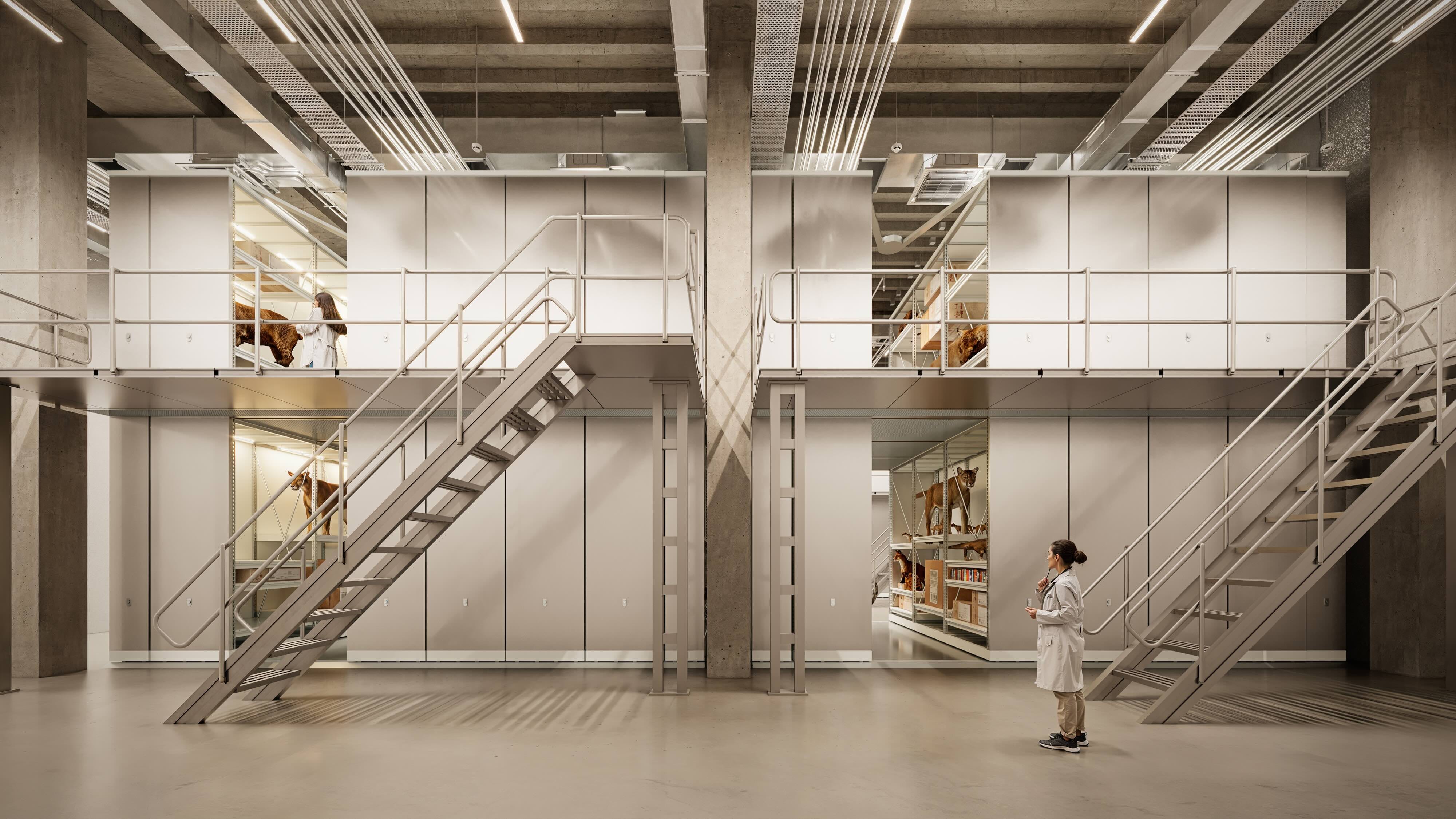
Image credit: Sordo Madaleno
The building will contain approximately 280,000 square feet of archive storage, 60,000 square feet of research and conservation space, and a triple-height atrium designed to accommodate visiting researchers, students, and educational groups. The atrium will also function as a display and events space, with lecture halls and gallery areas. Controlled internal courtyards will introduce daylight and ventilation into staff workspaces while maintaining museum-grade environmental conditions.
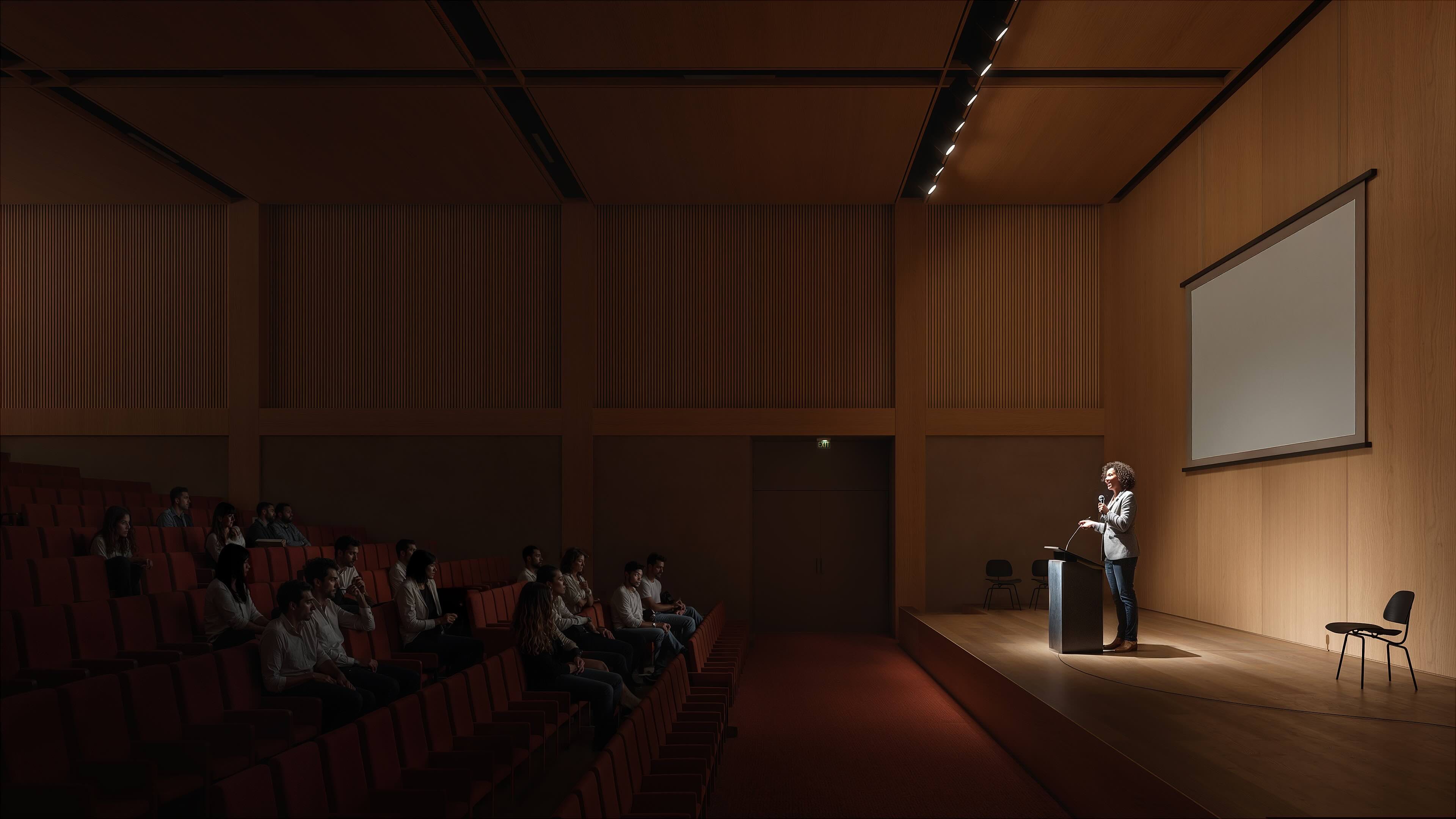
Image credit: BsArq
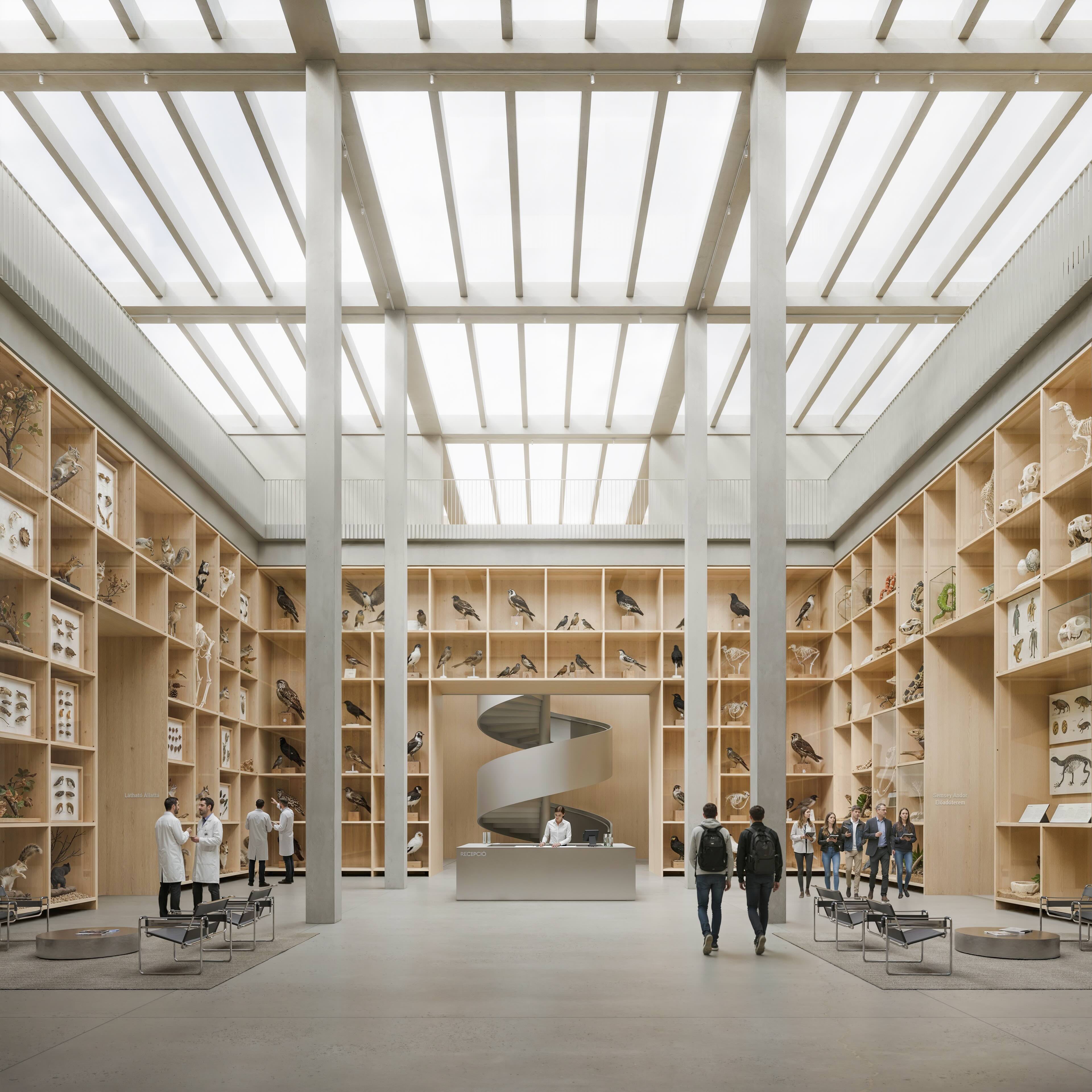
Image credit: BsArq
“The Centre’s staff are stewards of the objects, and the architecture becomes an extension of that stewardship,” Fernando Sordo Madaleno said about the scheme. Within this layered ecology of care, the object is framed not as an isolated artefact but as an embodiment of life-worlds and landscapes that “nourish reciprocal relationships. Our building reflects this mutuality, providing a space of unity between conservator, stakeholder, architecture, and environment.”
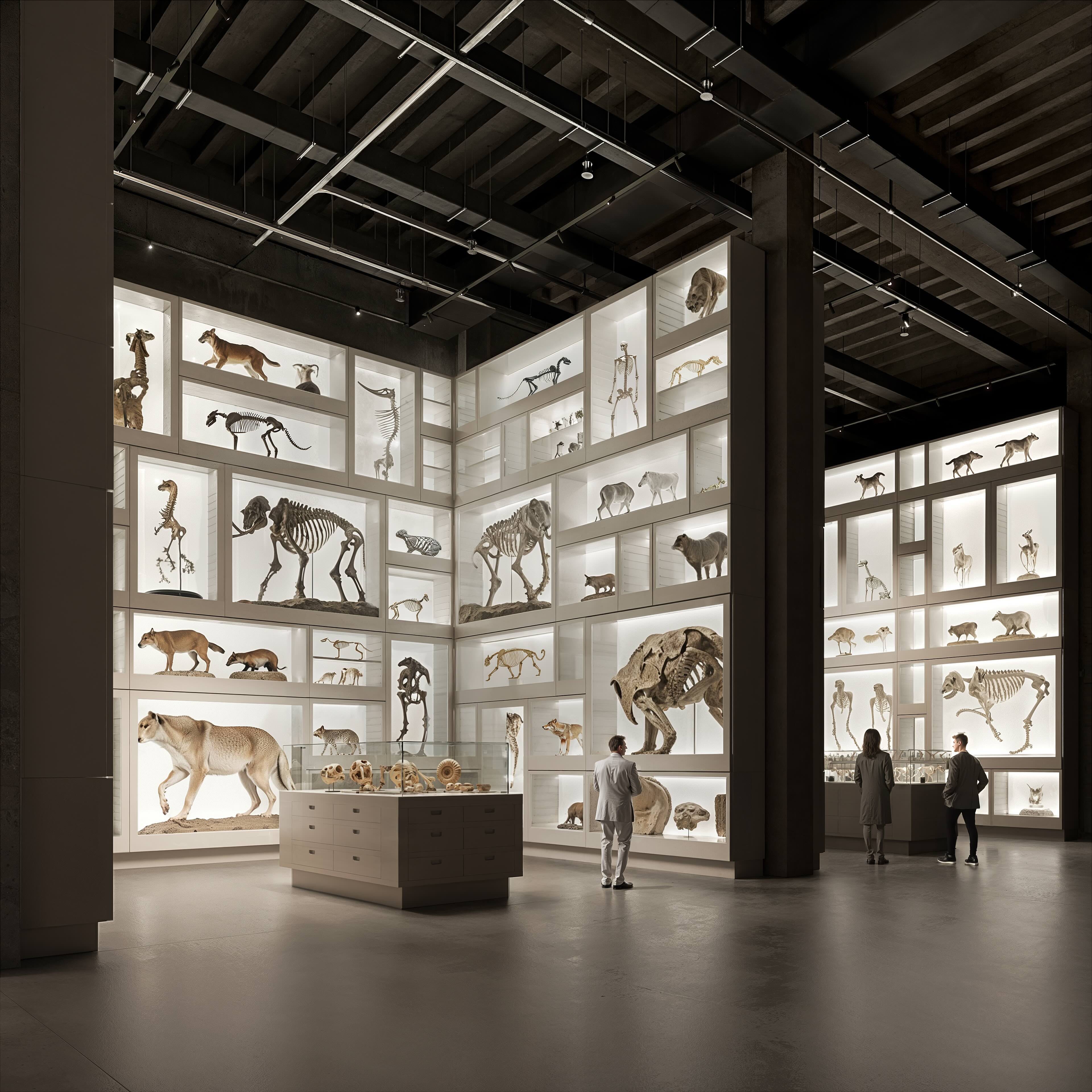
Image credit: BsArq
Some current competitions on Bustler that may interest you…

Kingspan MICROHOME 2026
Register by Wed, May 27, 2026
Submit by Mon, Nov 2, 2026

Pavilion Atlas 2026
Register by Wed, May 13, 2026
Submit by Mon, Oct 19, 2026

Rome Rain Rooms
Register by Thu, Mar 12, 2026
Submit by Mon, Jun 29, 2026

100,000 € Prize / Buildner’s Unbuilt Award 2026
Register by Thu, Feb 26, 2026
Submit by Tue, Oct 20, 2026