
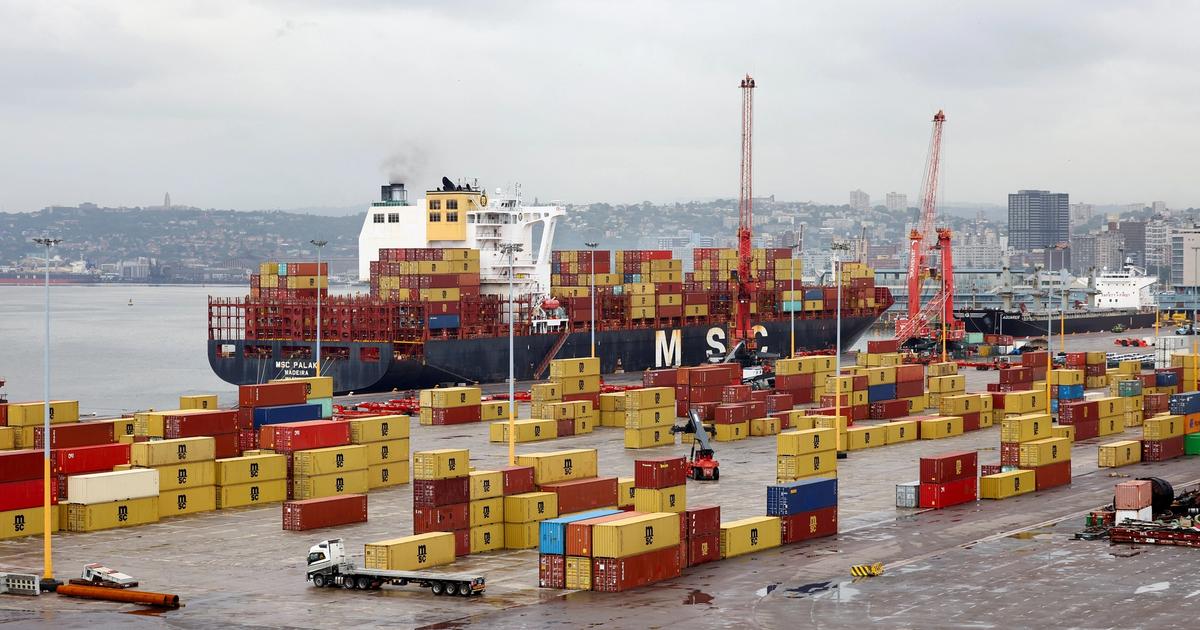
South African business leaders and policymakers are relieved but cautious after the US Supreme Court struck down President Donald Trump’s sweeping trade tariffs, paving the way for a lower blanket levy.
The ruling removes an immediate layer of legal and trade uncertainty for exporters and policymakers. Since August 2025, a 30% US tariff on many South African exports — the highest on the continent — had left companies at a competitive disadvantage relative to other trading partners. The shift to a lower, across-the-board tariff, places South Africa back on roughly equal footing with global peers.
Business leaders said, however, that the bigger story was the volatility they were dealing with. “The ruling is a net benefit, without a doubt,” said Donald MacKay, CEO of XA Global Trade Advisors. “But everyone has to diversify from the US. You don’t know what Donald Trump is going to do next.”
That unpredictability is shaping boardroom strategy. The US remains South Africa’s third-largest trading partner — after the EU and China — with exports spanning from agriculture to chemicals. Yet firms are recalibrating: renegotiating contracts, trimming concentration risk, and building optionality into supply chains.
“The uncertainty is more damaging than the tariff,” MacKay said.
A senior government official, speaking on condition of anonymity, said Pretoria was “observing developments closely” and would continue quiet trade engagement with Washington. The political risk premium attached to the US–South Africa relationship, officials acknowledge privately, has shifted rather than disappeared.
South Africa has frequently featured in Trump’s rhetoric, including unproven claims of a “genocide” against white citizens — allegations that lack credible evidence but have circulated in partisan debate. That political backdrop has heightened concern that trade tools could again be deployed abruptly.