
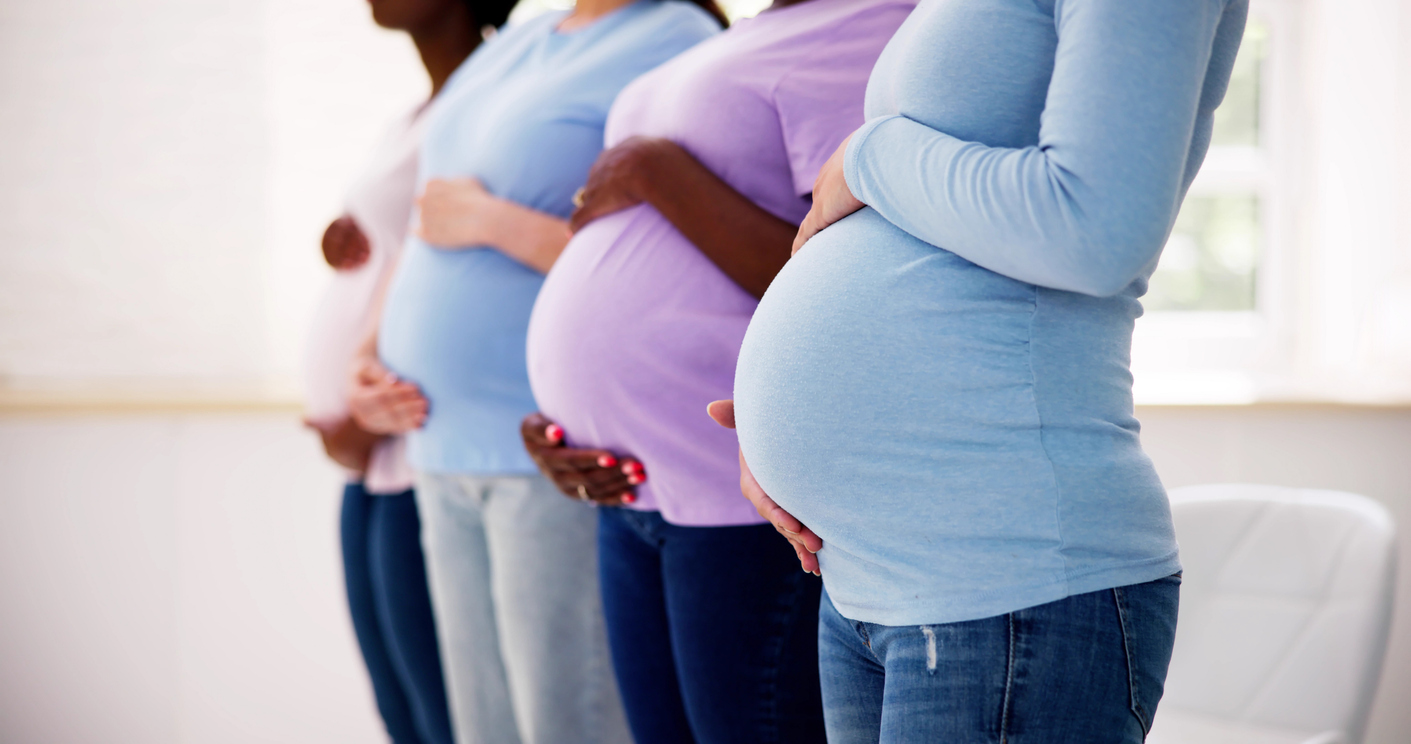
 image: ©AndreyPopov| iStock
A new Mount Sinai School of Medicine study finds that babies born in the early 2000s were exposed to 42 different PFAS “forever chemicals” before birth, using advanced analysis of umbilical cord blood
New research from the Mount Sinai School of Medicine reveals that babies born in the early 2000s were exposed to far more “forever chemicals”, known as PFAS, while still in the womb, than previously understood. By applying advanced, non-targeted chemical analysis to umbilical cord blood samples, scientists detected 42 distinct PFAS compounds, including many not usually measured in standard tests, raising new concerns about prenatal environmental exposure and its potential health implications.
Babies’ first environment: A mix of ‘forever chemicals’
PFAS are synthetic chemicals found in products such as nonstick cookware, food packaging, and stain-resistant fabrics. They are often called ‘forever chemicals’ as they break down slowly and accumulate in the environment and human body.
To understand prenatal exposure, the researchers analysed stored umbilical cord blood samples from 120 babies who participated in the Cincinnati-based HOME Study. These samples were collected between 2003 and 2006, allowing the team to examine how early PFAS exposure may affect later health outcomes.
The scientists used a broader chemical analysis method that simultaneously scans thousands of chemicals. In total, the team identified 42 PFAS chemicals, confirmed or putatively, in the cord blood samples. Many of these substances are not included in routine testing panels, and their health effects remain unclear. The findings show that babies are exposed to a diverse mix of PFAS before birth, including perfluorinated chemicals, polyfluorinated chemicals, and fluorotelomers.
Measuring the true PFAS burden
To summarise overall exposure, the scientists created a PFAS-omics burden score using item response theory, providing a snapshot of a newborn’s total PFAS exposure at any given time.
When the scientists applied this more comprehensively, they did not find differences in exposure between babies born to first-time mothers and those born to mothers with prior pregnancies. Earlier studies that relied on narrower PFAS panels had reported such differences.
“Our findings suggest that how we measure PFAS really matters,” said Dr Liu, first and co-corresponding author of this study. “When we look more comprehensively, we see that babies are exposed to far more PFAS chemicals before birth than we previously realised — and some of the patterns we thought we understood may change.”
Previous studies have shown that prenatal PFAS exposure is linked to low birth weight, preterm birth, changes in immune response to vaccines, metabolic shifts, and other developmental concerns.
“Our study helps show that prenatal PFAS exposure is more complex and widespread than earlier studies suggested,” Dr Liu said. “Understanding the full picture is essential if we want to protect child health and reduce preventable environmental risks.”
PFAS exposure is not routinely measured in clinical settings, even though growing evidence suggests these chemicals can influence multiple aspects of health.
“For now, this work helps lay the scientific foundation,” Dr Liu said. “Our goal is to move toward earlier identification and prevention, especially during sensitive windows like pregnancy.”
The research team plans to examine whether higher cumulative PFAS exposure in early life is associated with negative health outcomes.