
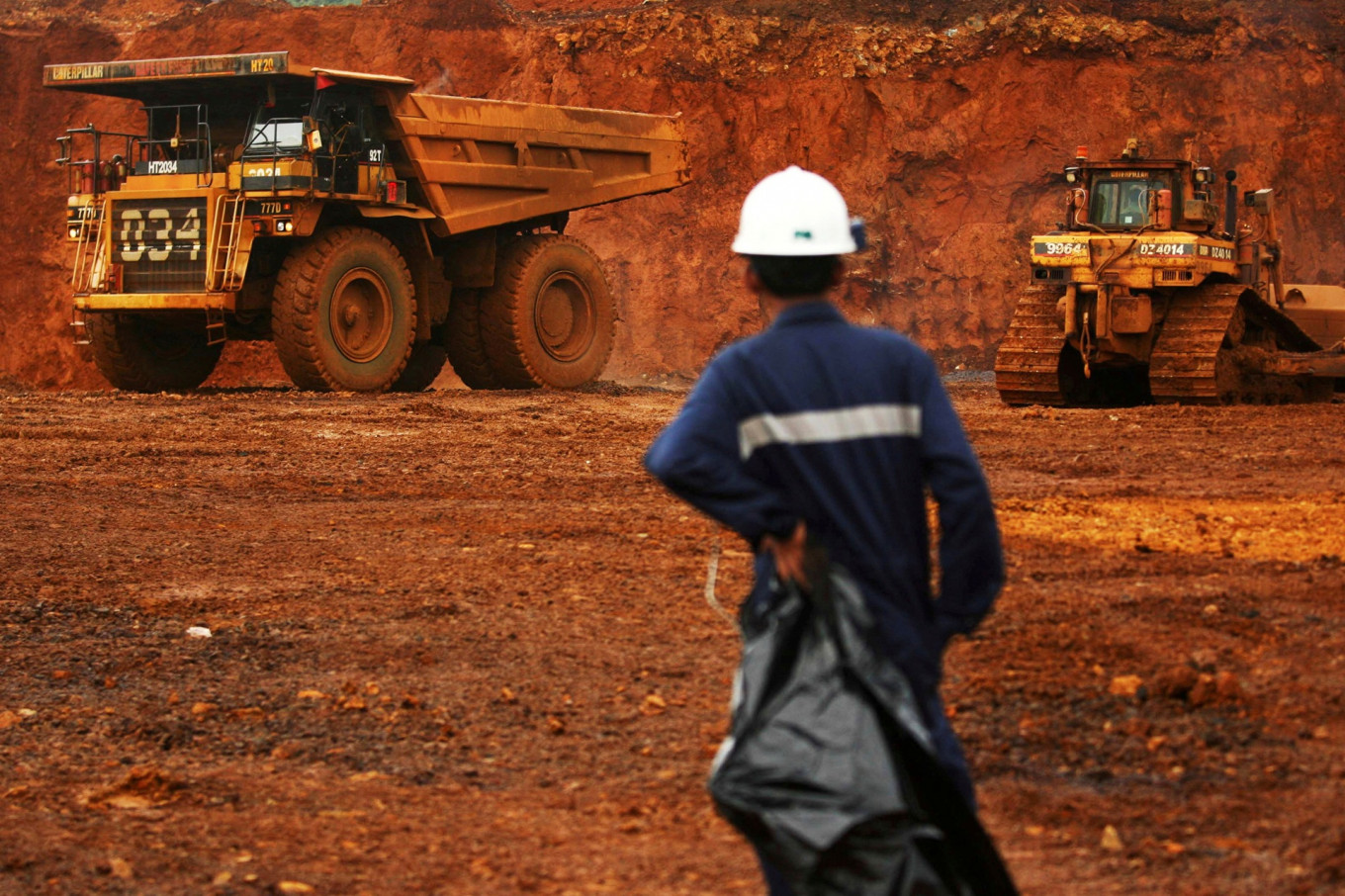
ndustry players warn that a push to diversify investment in Indonesia’s minerals sector under the Agreement on Reciprocal Trade (ART) signed with the United States last week must not disrupt the nickel ecosystem.
Indonesian Nickel Industry Forum (FINI) chairman Arif Perdana Kusumah acknowledged that, while the ART with the US holds significant potential to diversify investment and strengthen Indonesia’s position in global supply chains, it must not disrupt the existing industrial ecosystem.
The US currently has a very modest footprint in Indonesian nickel processing but is vying with China for control over global supply chains for critical minerals.
China, meanwhile, has been the largest source of foreign direct investment in Indonesian smelters and refining industries and is therefore the dominant player in domestic nickel processing.
Arif noted that this existing industry landscape, which has positioned Indonesia as the world’s top nickel producer, was the result of substantial capital expenditure, long-term planning and decades of hard work.
“Smelter companies operate based on long-term contracts and financing structures,” he said. As such, FINI urged the government to be prudent in implementing commitments made under the new agreement, ensuring legal certainty for existing investors.

Every Monday
With exclusive interviews and in-depth coverage of the region’s most pressing business issues, “Prospects” is the go-to source for staying ahead of the curve in Indonesia’s rapidly evolving business landscape.
for signing up our newsletter!
Please check your email for your newsletter subscription.
The ART, signed in Washington, DC, last Thursday by Coordinating Economy Minister Airlangga Hartarto and US Trade Representative (USTR) Jamieson Greer, contains, sweeping provisions set to reshape the critical minerals landscape.