
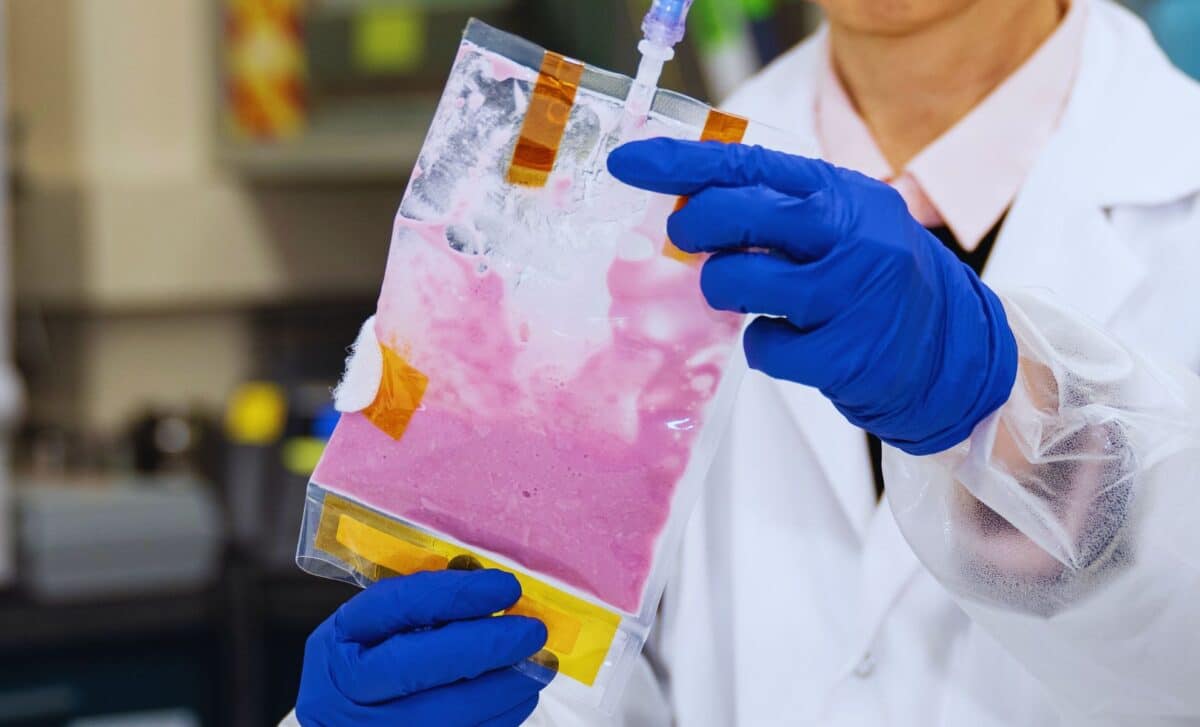
NASA’s BioNutrients-3 experiment is setting the stage for a breakthrough in space food technology. Aboard the International Space Station (ISS), samples of fermented food produced through the action of microorganisms are being analyzed to determine their potential for sustaining astronauts on long-duration missions. The goal is to create nutrient-rich food that can be produced on-demand during deep space missions to the Moon, Mars, and beyond.
As astronauts prepare for increasingly long and far-reaching missions, one of the most pressing challenges is ensuring a sustainable food source that provides essential nutrients. Certain vitamins and nutrients critical for human health are not easily stored or transported, especially for multi-year missions. This challenge has led NASA to explore ways to grow and produce these nutrients directly in space.
A Fermented Approach to Space Nutrition
Fermented foods like yogurt, which are produced through the action of beneficial bacteria, serve as a model for this experiment. According to NASA, the process used in BioNutrients-3 mirrors the way such foods are made on Earth, but with a specific focus on producing essential nutrients for astronauts.
These include vitamins and other dietary components that can support health during extended space missions. The experiment hopes to demonstrate that similar processes can occur in space, where resources are limited and on-demand production is crucial.
These microbial fermentation processes are creating essential nutrients that might be tough to store or transport over long distances. By using microorganisms, NASA hopes to make deep space missions more self-sufficient, cutting down on the need for Earth-based resupply missions.
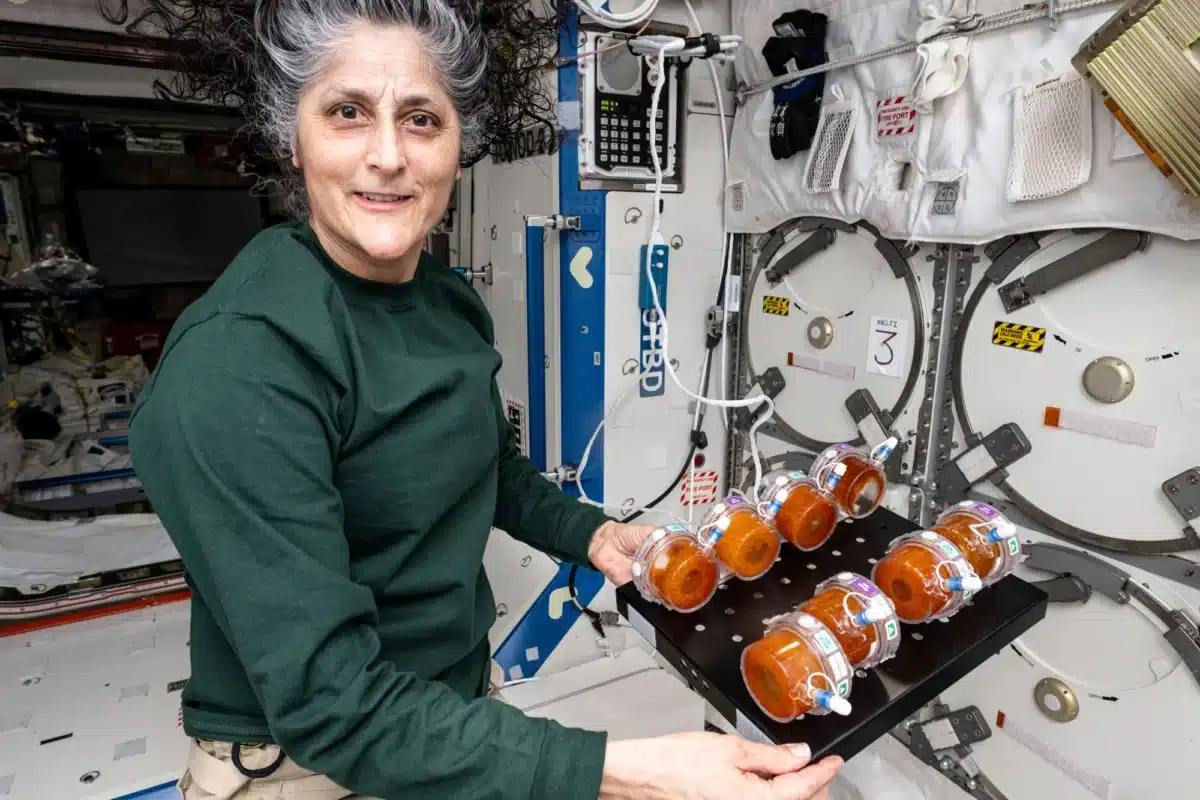 Suni Williams, NASA astronaut, displays BioNutrients production packs on the ISS. Credit: NASA
Returning Samples to Earth for Analysis
Once the BioNutrients-3 samples are returned to Earth, they will be analyzed at NASA’s Ames Research Center in California’s Silicon Valley. The samples will make the journey back aboard SpaceX’s Dragon spacecraft, which is scheduled to depart the ISS on February 26, 2026, as part of its 33rd commercial resupply mission for NASA. As stated by the space agency:
“The results from this study can help NASA develop methods to produce vital nutrients that could support human deep space exploration as part of NASA’s Artemis campaign.”
The importance of these results extends beyond just food production. NASA’s ability to synthesize nutrients in space could play a key role in supporting long-duration missions, which are expected to take months or even years.
By developing methods to produce food and nutrients onboard, NASA could help eliminate one of the most significant obstacles to human space exploration: the need for frequent, resource-heavy resupply missions from Earth. A crew heading to Mars would have to be entirely self-sufficient, and this experiment is a critical step toward proving that is possible.
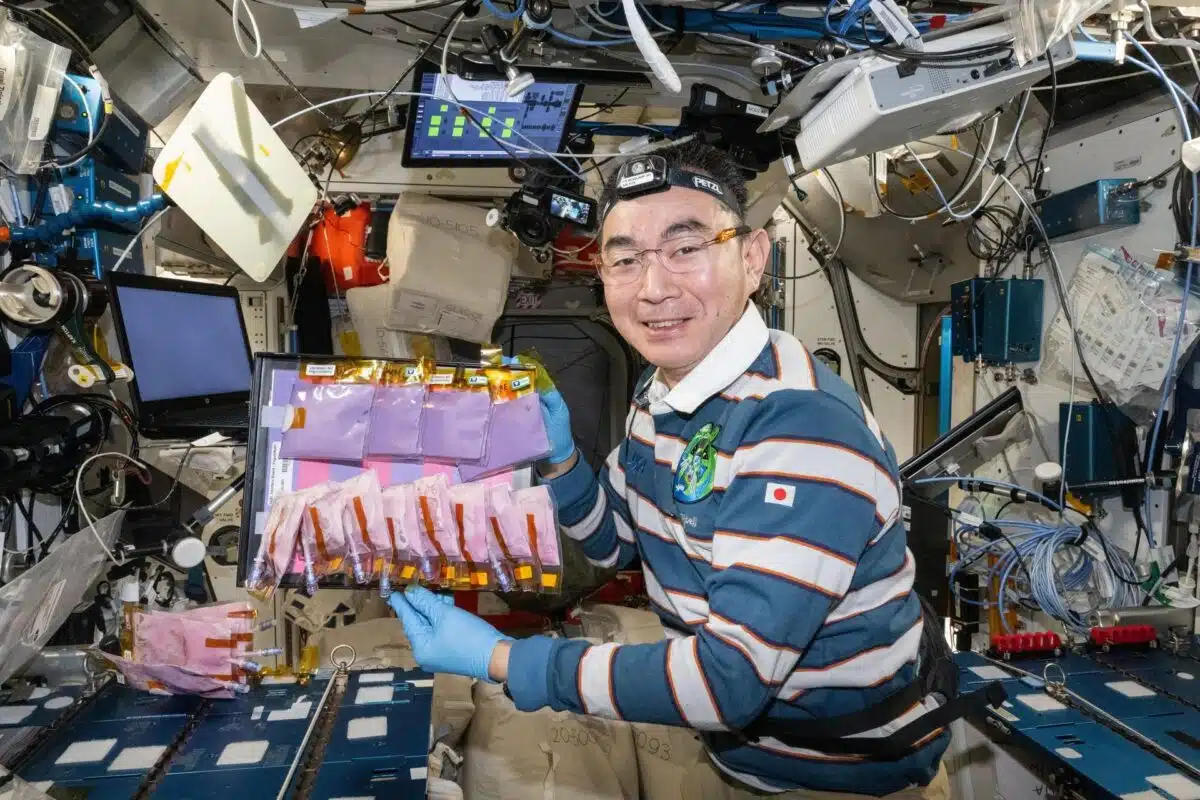 Kimiya Yui presents probiotic yogurt cultures for the BioNutrients-3 study aboard the ISS. Credit: NASA
Synthetic Biology: A Game Changer for Space Exploration
NASA’s BioNutrients-3 is part of the agency’s Synthetic Biology project, which is funded by its Game Changing Development program. This initiative explores innovative approaches to biotechnology, offering potential solutions not only for space exploration but also for challenges on Earth. Synthetic biology aims to redesign organisms for specific purposes, and in this case, to create vital nutrients for astronauts in space.
The broader goal of the Synthetic Biology project is to advance space technology by developing new, more efficient methods to produce food, medicines, and other vital supplies.