
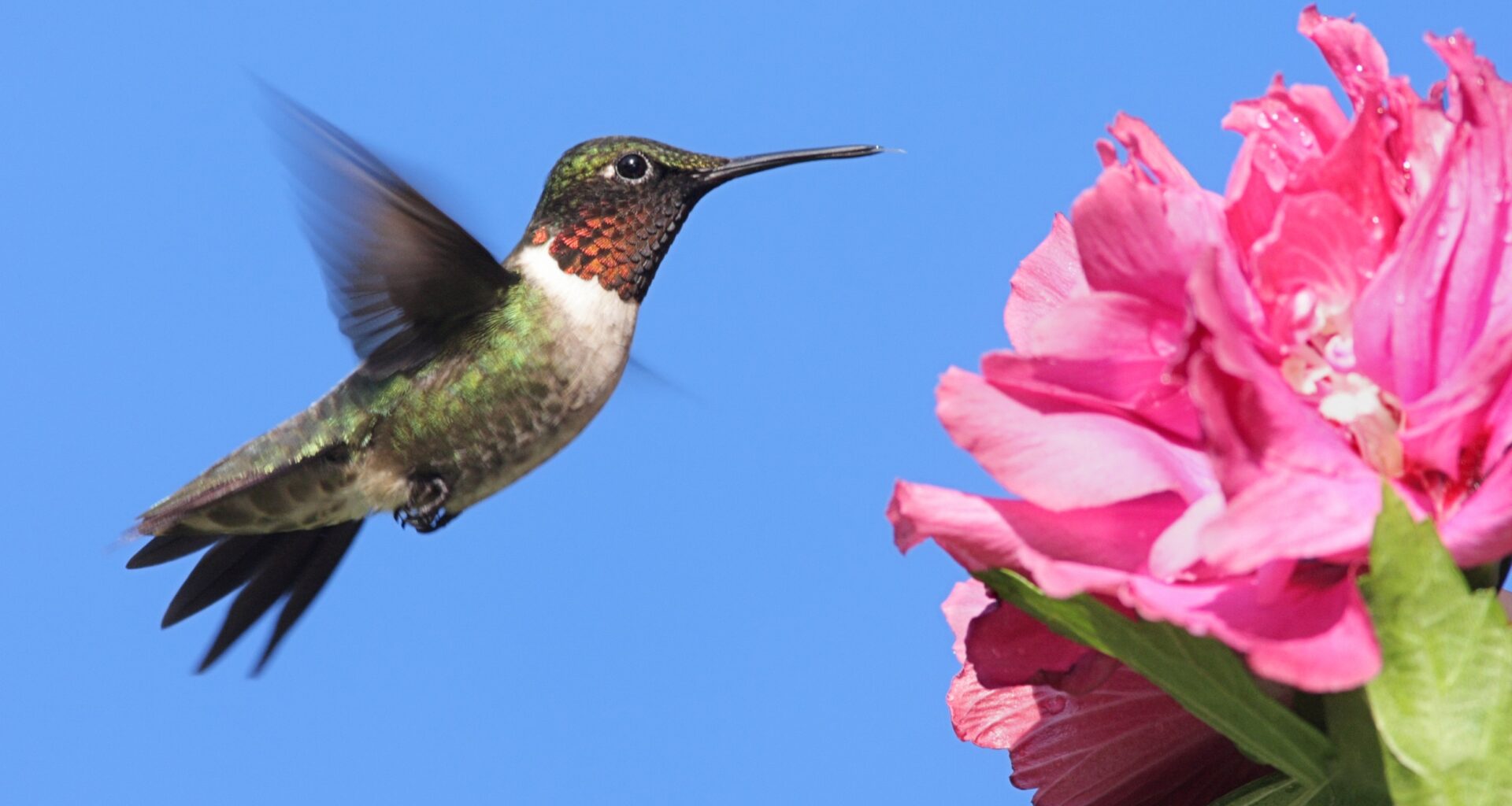
How can a tiny hummingbird drink sugary nectar all day and remain perfectly healthy? In humans, eating too much sugar often leads to obesity, diabetes, and heart problems.
Yet some birds survive almost entirely on sugar-rich nectar or sweet fruits without developing these diseases.

This mystery has fascinated scientists for years. New research from the Max Planck Institute for Biological Intelligence now explains how nature solved this problem in a remarkable way.
Birds survive on sugar
Many bird species avoid sugary food. However, hummingbirds, sunbirds, honeyeaters, and some parrots depend on nectar or fruit for most of their energy.
A hummingbird hovers in front of a flower and inserts its beak deep inside to sip nectar. A honeyeater uses a brush-tipped tongue to collect sweet liquid from eucalyptus blossoms.
These birds consume large amounts of sugar every single day. In humans and many other animals, such a diet would quickly damage organs and upset the body’s balance. These birds somehow avoid that danger.
Sugar diet evolved worldwide
Sugar-feeding birds live on different continents. Hummingbirds live in the Americas. Sunbirds live in Africa and Asia. Honeyeaters are common in Australia.
Each group evolved separately millions of years ago. Scientists wondered whether all these birds developed the same genetic changes to handle sugar, or whether each group found its own solution.
To answer this question, researchers compared the complete DNA of sugar-eating birds with the DNA of close relatives that do not feed on nectar.
Sugar strains bird bodies
Living on nectar creates serious challenges. Nectar contains not only high levels of sugar but also large amounts of water. The body must process both quickly and safely.
“A diet heavy in nectar or sweet fruits presents unique physiological challenges,” said Ekaterina Osipova, a postdoc at Natural History Museum Frankfurt and co-first author.
“These birds must process huge amounts of sugar without overwhelming their systems, and must manage enormous fluid volumes while maintaining proper blood pressure and salt balance.”
“The genetic patterns we have found start to reveal a bigger picture of how these birds can take in huge amounts of sugar in ways we cannot and help answer fundamental questions about repeatability in evolution.”
The heart, kidneys, and blood vessels must work together to maintain balance.
Shared patterns in their genes
The research team studied thousands of genes from birds across the Americas, Africa, Asia, and Australia.
Some genetic changes were unique to one bird group. Other changes appeared in two or more groups, even though those groups evolved far apart from each other.
Scientists found important changes in genes that control blood pressure and water balance. Other changes affected heart rhythm and kidney ion transport. These adjustments help birds remove extra water while keeping the right salt levels in the bloodstream.
A master gene for sugar
Out of all the genes examined, one gene stood out clearly. This gene is called MLXIPL. It plays a major role in controlling how cells process sugar and turn it into energy.
All four sugar feeding bird groups showed changes in this gene. Close relatives that do not eat much sugar did not show these changes.
Laboratory tests revealed that the hummingbird version of MLXIPL is far more active than the version found in swifts, which are close relatives but do not depend on nectar.
Why MLXIPL matters
The repeated changes in MLXIPL across different bird groups suggest that this gene is essential for surviving extreme sugar intake.
Even though these birds evolved on different continents over millions of years, evolution adjusted the same gene again and again. This pattern shows that nature sometimes finds similar solutions to similar problems.
When survival depends on processing sugar efficiently, MLXIPL becomes a key tool. Such repeat changes also help scientists understand how predictable evolution can be.
What this means for humans
The discovery becomes even more interesting because MLXIPL also plays an important role in human metabolism.
“What I find particularly exciting is that our findings open up new questions about metabolism, physiology, and how other animals handle extreme diets,” says Meng-Ching Ko, a postdoc at the Max Planck Institute for Biological Intelligence and co-first author.
“Our ancestors evolved on low-sugar diets, but many of us now consume far more sugar than our bodies can handle. Understanding how these birds adapted may ultimately help identify new therapeutic targets for diabetes and other metabolic diseases.”
Modern diets often contain far more sugar than the human body evolved to manage safely.
Evolution’s smart solutions
This study shows how evolution can shape similar answers in different species. Some genetic changes were unique, while others repeated across continents and millions of years.
Sugar feeding birds transformed a risky diet into a powerful energy source through natural selection. Each sip of nectar may look simple, but it reflects deep genetic changes that protect the body.
These small birds now offer big clues about metabolism, health, and the hidden power of genes.
The study is published in the journal Science.
—–
Like what you read? Subscribe to our newsletter for engaging articles, exclusive content, and the latest updates.
Check us out on EarthSnap, a free app brought to you by Eric Ralls and Earth.com.
—–