
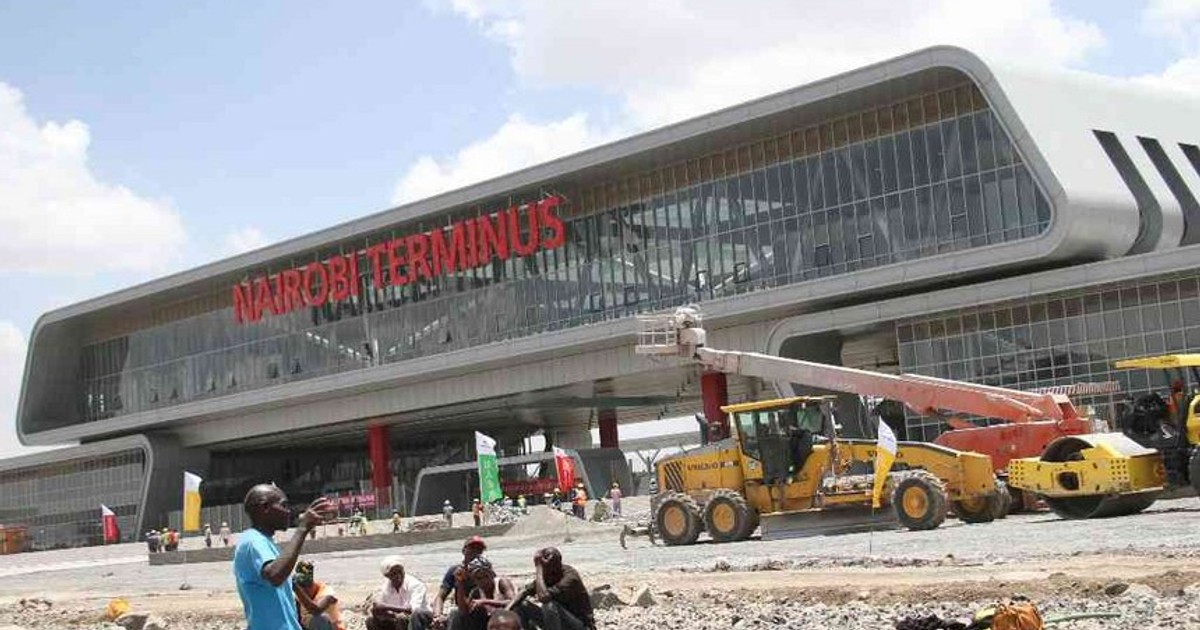
Transport Secretary Davis Chirchir told lawmakers on Thursday that Kenya plans to raise as much as $4 billion by securitizing a railway levy to fund the completion of the project.
“We are determined to finish the railway without accruing additional debt,” Chirchir said, according to Bloomberg.
China’s fading footprint in Kenya’s industrial sector
China’s industrial and infrastructure presence across Africa has been extensive, with over $120 billion in government-backed loans deployed under the BRI to finance ports, railways, and energy projects.

In Kenya, however, the influence is waning. Rising debt concerns, tighter financial conditions, and growing political scrutiny have slowed new Chinese-backed projects.
Analysts note that Kenya’s move to securitize a railway levy instead of taking new loans demonstrates a push for financial independence while completing strategic infrastructure. “Kenya wants to retain control over its industrial agenda and avoid debt traps,” a Nairobi-based infrastructure consultant told Bloomberg.
The railway is seen as critical for Kenya’s logistics and industrial ambitions, linking inland production hubs to Nairobi and improving trade corridors.
Its revival without Chinese financing reflects a broader trend across Africa, where governments are seeking alternative funding mechanisms and more balanced partnerships.
Completion of the railway could signal a turning point for Nairobi, allowing it to advance key industrial projects while recalibrating reliance on foreign lenders. For China, the slowdown highlights the limits of Belt and Road-era lending as African nations demand greater agency over development priorities.