
NEED TO KNOW
Dr. Kerith Whittigan is a palliative care physician in Australia who works with terminally ill patients of all ages
She said that patients in their 20s with melanoma typically have one specific regret
Whittigan is currently working to enact policy changes within Australian schools to lower nationwide melanoma rates
A palliative care physician is sharing one of the most common regrets she sees among certain young patients dying of cancer.
Dr. Kerith Whittigan of Australia works with terminally ill patients to help make their quality of life is as comfortable as possible in the time they have left.
“People often think that as palliative care doctors we only see people who are very old, or in their last days of life,” Whittigan, a mom of two, said while speaking about her work with Mamamia.
Stock photo of a physician’s office
Credit: Getty
“Of course that is some of what we do, but palliative care is so much more than people think. Sometimes our work does involve looking after young people, and sometimes it means meeting people quite early in their cancer or illness journey so that we can support them along the way,” she explained.
Whittigan went on to share that she has worked with a number of patients in their 20s dying of melanoma, which is a type of skin cancer. She said that she typically finds that these patients share the same regret: not wearing sunscreen earlier in life.
“These patients were living with the painful truth that there was a chance that this didn’t have to happen, and they all expressed that they wish they had realized when they were younger how serious sun exposure could be,” she explained.
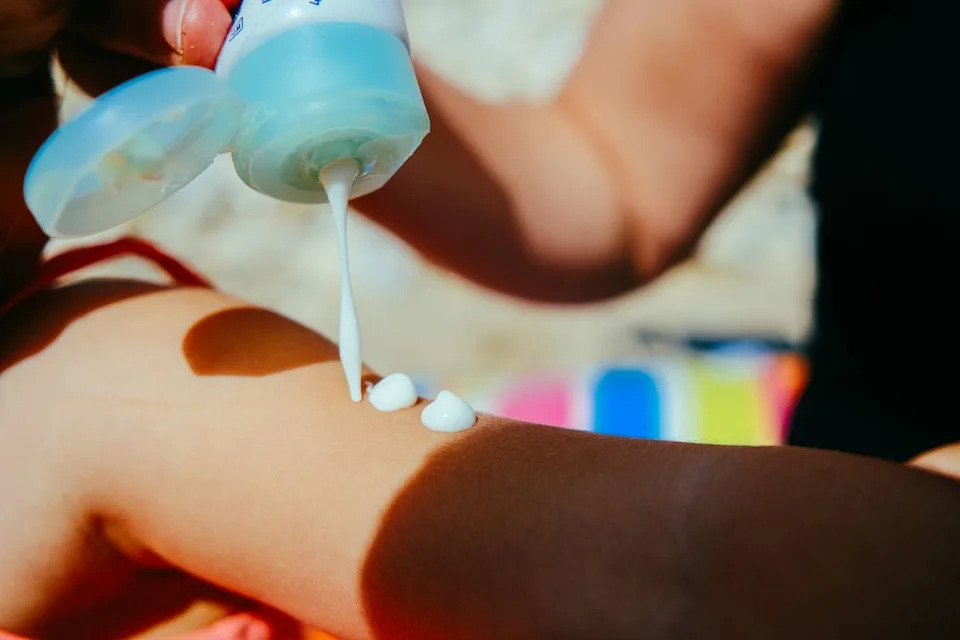
Stock photo of a person applying sunscreen
Credit: Getty
She added, “A lot of the time when we see people in palliative care, it’s something that’s happened to them. When it’s something that feels preventable, like alcohol, cigarettes or sun exposure, there’s a different kind of distress. Shame isn’t the right word, but there’s a real sense of, ‘God, I wish I’d made different choices.’ ”
Never miss a story — sign up for PEOPLE’s free daily newsletter to stay up-to-date on the best of what PEOPLE has to offer, from celebrity news to compelling human interest stories.
“When it comes to sun safety, it’s a lot of, ‘I really wish I’d taken it seriously,’ ” she continued.
However, Whittigan said that she doesn’t blame her patients for their lack of prior knowledge, especially because much of the sun damage they incurred took place when they were children and were too young to understand the long-term repercussions of harmful UV exposure.
Because of this, Whittigan has established a petition to make sunscreen application before outdoor time mandatory in schools across Australia. She believes that five minutes specifically dedicated to this task before lunchtime could have a major impact on melanoma rates.
Stock photo of a beach umbrella
Credit: Getty
“When it comes down to it, a kid is always going to pick play over a boring task like sunscreening if you leave it up to them,” she explained.
“Education just isn’t enough when you are working with kids with immature frontal lobes. That vital education needs to be combined with structural change, through policies that give kids an opportunity to follow through on those important protective behaviors that will save lives,” she added.
Melanoma is one of the most common cancers among people under the age of 30, according to Cancer.org. While survival rates are generally good when the disease is caught early, melanoma can spread quickly throughout the rest of the body when left untreated or undetected, per the organization.
Read the original article on People