
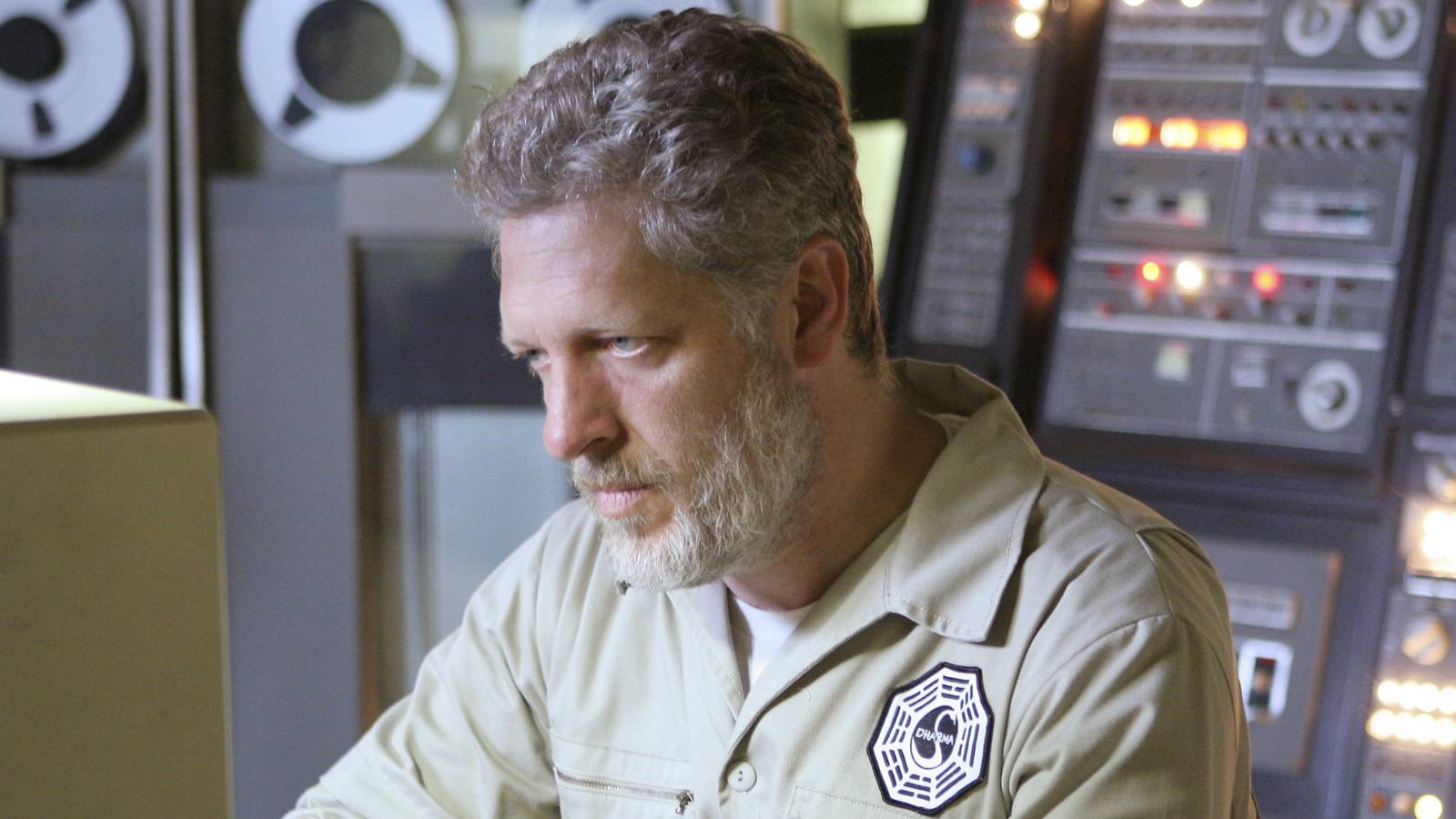
It’s now well over 20 years since Lost first arrived on ABC, but TV is still feeling the effects of the show’s legacy. The ultimate mystery box series for the small screen came at a turning point for small-screen dramas. Through several key storytelling and formatting innovations, it played a major part in propelling television forward to a new golden age.
Breaking the mold of a traditional sci-fi show, Lost left viewers scratching their heads on a weekly basis, yet they were still eager to come back for more. Crucially, its mysterious plot threads sparked conversations in workplaces and bars like nothing on TV before it. The series spawned countless fan theories, and generated heated online debates.
Moreover, Lost changed how television is made, upending network formulas, structures, and schedules that had seemingly been in place since time immemorial. Its co-creators Damon Lindelof and J. J. Abrams are now revered as two of television’s greatest minds, while their impressive bodies of work are still shaped by the legacy of this seminal survival drama.
The best episodes of Lost aren’t just thrillingly entertaining watches. They’re monuments to the birth of a new kind of television. The show’s greatest storylines, plot twists and character arcs represent the tipping point when the singular creative vision behind a series became television’s golden rule, rather than a rare and exceptional circumstance.
Lost Changed The Way We Consume Television
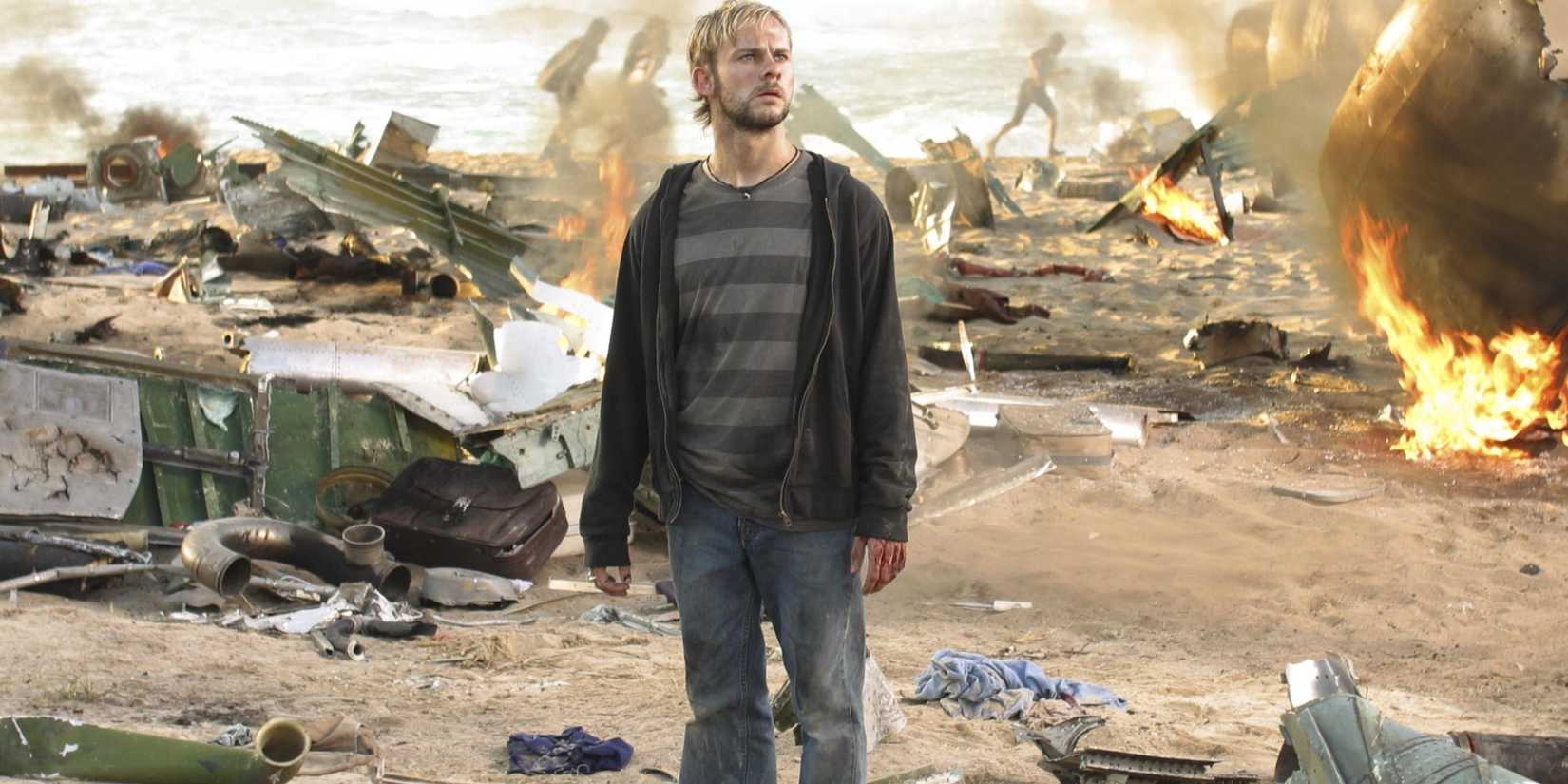
Dominic Monaghan as Charlie in Lost, standing in the plane crash wreckage
Across six seasons of genre-defying drama, Lost pushes the boundaries of what a TV show could be. While it was far from the first auteur-led prestige project made for the small screen, it was the biggest and boldest show of its day to break some key rules of televisual storytelling.
Back in 2004, the aim of most TV drama was still to fit the traditional three-act story structure into a bitesize episode consisting of a self-contained narrative. Lost flipped the script completely, turning each of its episodes into partial elements of an overarching, complex narrative arc.
Rather than a reason to wrap up a storyline with a neat ending or manufacture an artificial cliffhanger, breaks between episodes became a way to weave a tapestry of multiple plot threads into Lost’s labyrinthine timeline. Pieces of plot could be dropped and picked up at will, putting the onus to remember and make sense of them onto viewers.
Lost’s fictional universe became an all-consuming obsession for its audience, precisely because it didn’t give them easy answers. Rather than provide a passive and predictable viewing experience, it engaged viewers in a dialogue, both with the characters in the story and the writers outside of it, as well as fellow fans of the series.
Damon Lindelof & Carlton Cuse Introduced The Multi-Season Plan To Network TV
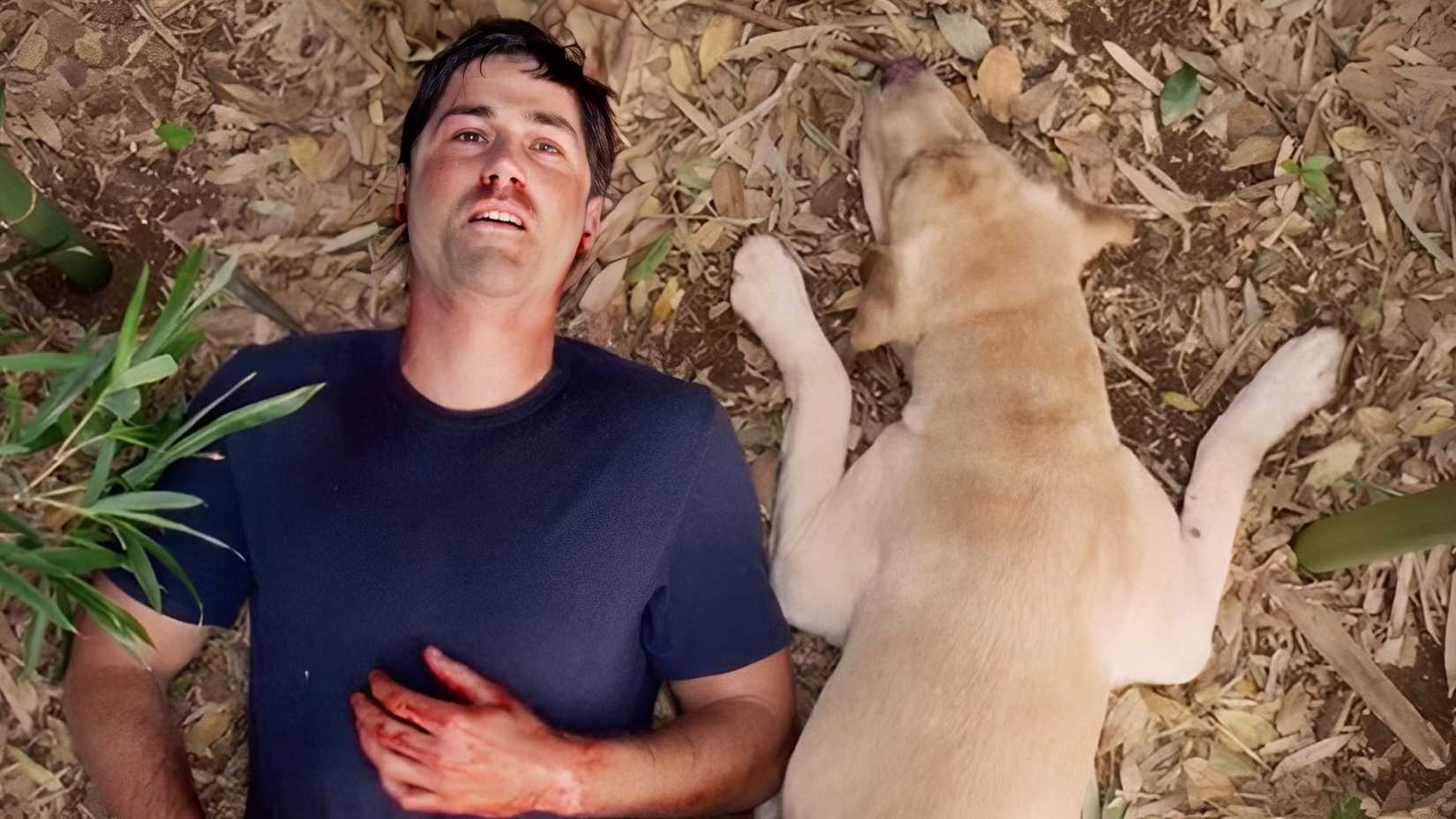
Jack and the dog in Lost series finale
A central tenet of the creative vision behind Lost was limiting its run to a handful of seasons. Perhaps creators Damon Lindelof, J. J. Abrams and Jeffrey Lieber didn’t know exactly where it was going from the beginning, but they knew that their idea of when it should end was more important than any commercial considerations of TV network ABC.
Lindelof and showrunner Carlton Cuse refused to accept the possibility of more seasons than they’d planned for from the very start of negotiations with the network. Once Lost quickly grew into a massive ratings success, the pressure from network executives to stretch the series across more seasons became greater, but those in creative control refused to back down.
In the end, they did have to expand on their initial three-season plan, turning Lost into a six-season sci-fi drama. But this change was based entirely on creative considerations, as season three no longer served as a natural end point for the show by the time the writers got there.
By sticking to their guns about limiting Lost’s TV run more or less to the original plan they had for the show, its creators popularized the idea of network series having grand multi-season plans, rather than telling stories episode to episode across relatively self-contained seasons. This innovation prefigured the even bigger TV revolution which took place in the 2010s.
Lost’s Communal Viewing Experience Paved The Way For Streaming
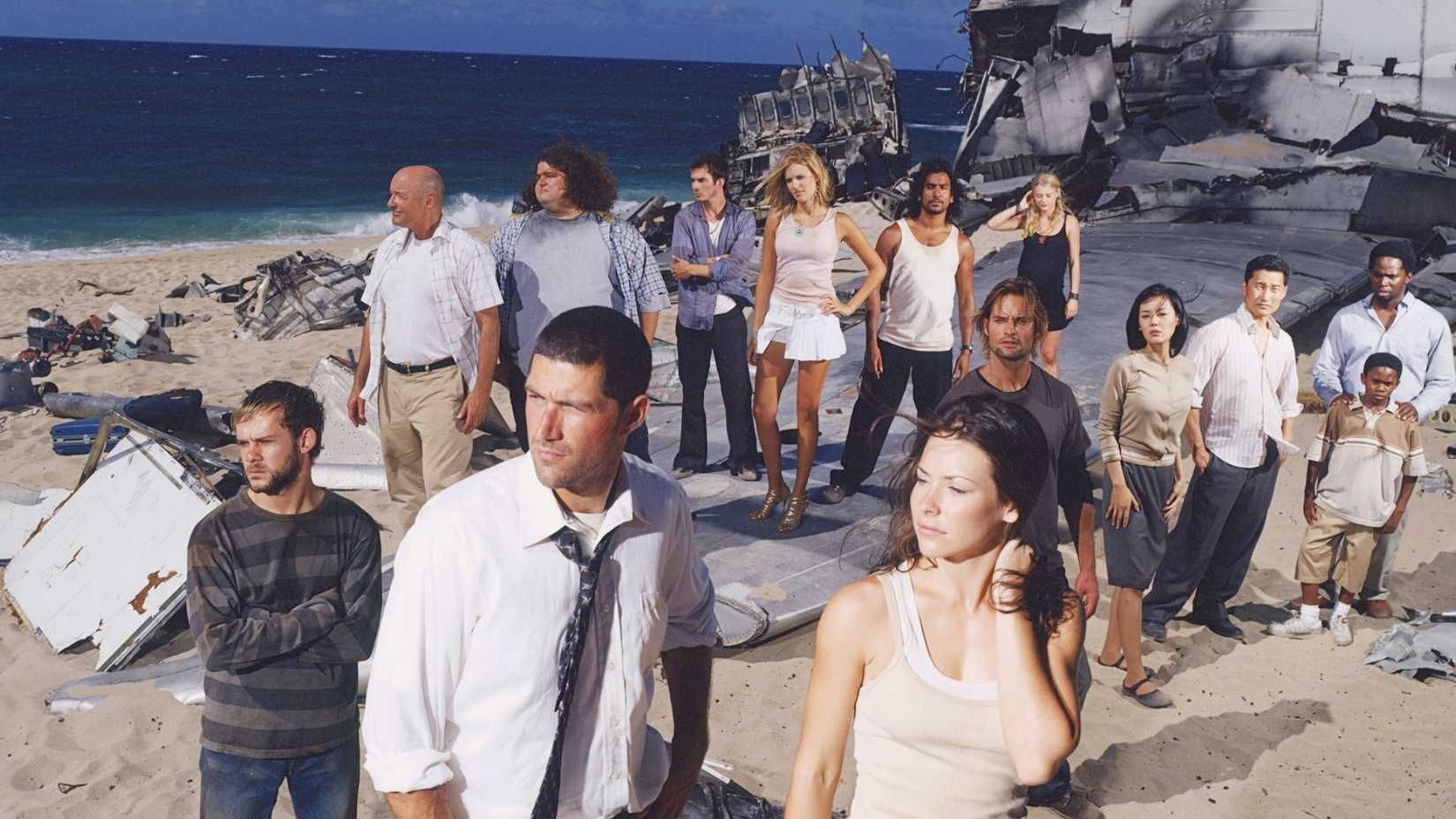
LostABC (via MoviesStillsDb)
With its mystery box plot gradually unfurling in myriad directions across interconnected seasons spanning multiple non-linear timelines, Lost laid the blueprint for prestige TV’s streaming era, which began soon after the show ended. The format that Damon Lindelof and Carlton Cuse pioneered made even more sense for streaming platforms than it did for networks.
With the constraints of network scheduling removed, small-screen series creators could tell their stories almost entirely at their own pace. It was now up to viewers to decide how many episodes they wanted to watch in a single sitting.
Meanwhile, up-and-coming new media platforms like Netflix, Amazon’s Prime Video and Apple TV were initially only too happy to bankroll the creative visions of rising stars in the industry. These platforms needed to prove themselves as a viable alternative to trusted legacy networks, at a stage in their development when quality meant more than quantity.
What’s more, Lost built the foundations for the kind of communal viewing habits that the age of binge-watching has normalized. It turned water cooler, coffee break discussions and internet forum – about what was going on with Jack and Kate, or why Sawyer was really a great character – into the new normal among friends, colleagues, and complete strangers alike.
In short, Lost was the first TV show obsession for many millennials of a certain age. But the habits it started soon spread to a variety of bingeworthy series once the streaming era began.
Prestige TV Franchises Started With Lost
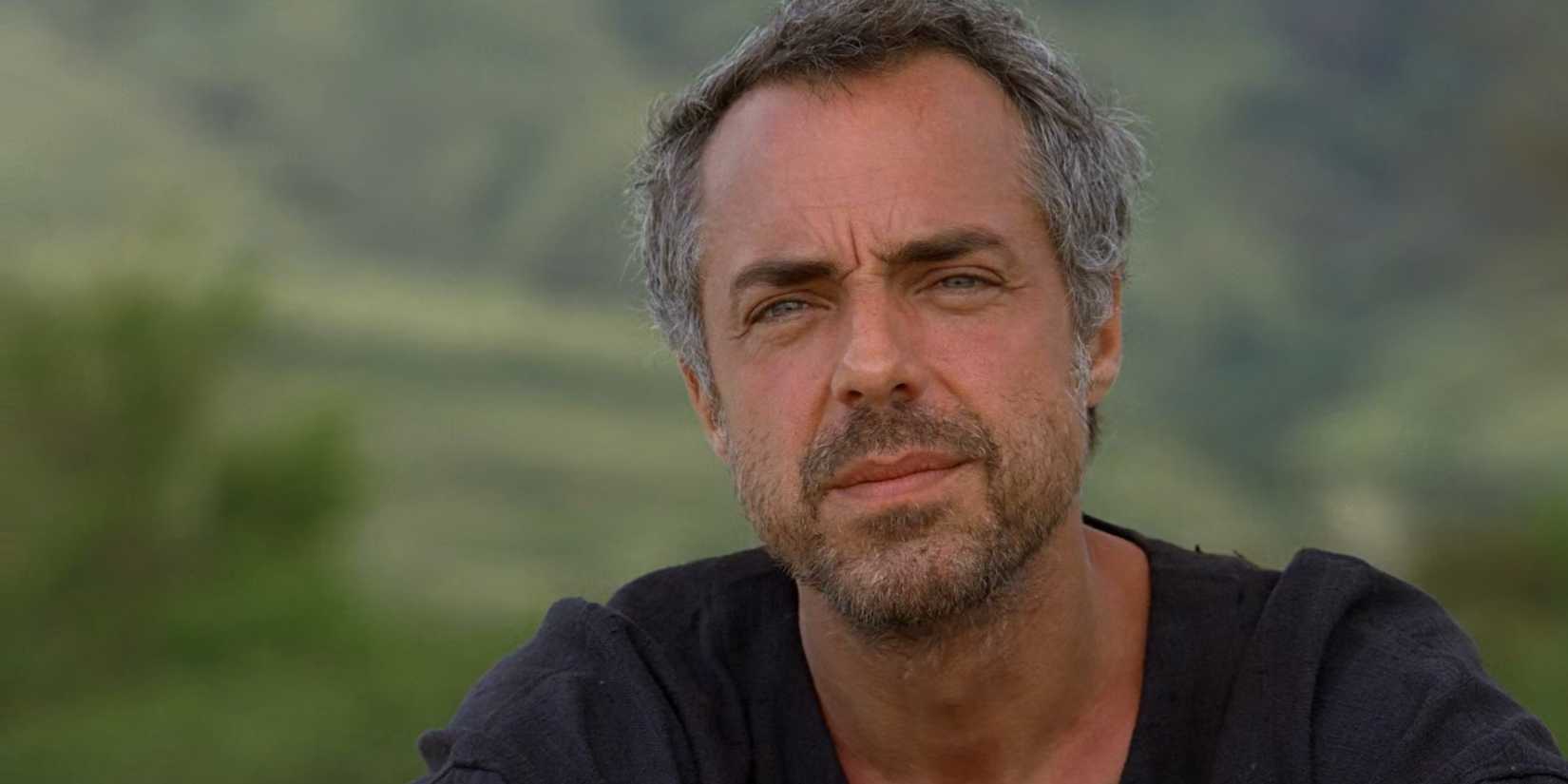
The Man in Black (Titus Welliver) staring ahead at a ship in the Lost season 5 finale
What’s more, the show was the first flagship TV drama of the 21st century that truly harnessed the power of the franchise. From the moment Lost’s all-time great opening scene left millions of Americans awestruck, there was more to be done with its story than just a TV series.
As we’ve already mentioned, it didn’t invent prestige television. The Sopranos and Band of Brothers were way ahead of it on that front, along with earlier pioneers like Hill Street Blues, Lonesome Dove, and Twin Peaks. However, it did turn the platform that its status as a major prestige series gave it into an expansive multimedia franchise.
It spawned three novelizations, an online game, a web series of mini episodes, video games, and an array of merchandise. The likes of Stranger Things have Lost for demonstrating the potential for making a franchise out of a weird and wonderful mystery box TV drama.
Release Date
2004 – 2010-00-00
Showrunner
Damon Lindelof, Carlton Cuse

Matthew Fox
Jack Shephard

Evangeline Lilly
Kate Austen