
Sci-fi has always been one of television’s most ambitious genres, from vintage sci-fi TV shows that are just as good as today’s, to modern streaming epics. Many of these shows have even introduced fans to actors who deserve a place in sci-fi’s hall of fame.
There are shows like Devs, which still serve as excellent sci-fi TV shows you can binge in a day, and longer-running franchises, like Deep Space Nine, that ultimately needed time to find their footing. Some saga-length series, like Lost or Heroes, capture audiences early, then struggle. At the other end of the scale, a series like Dark consistently maintained high-quality storytelling.
Sometimes, if a series is confident enough in its storytelling, it creates a franchise that improves every season, and that’s the case for several notable sci-fi shows.
Orphan Black
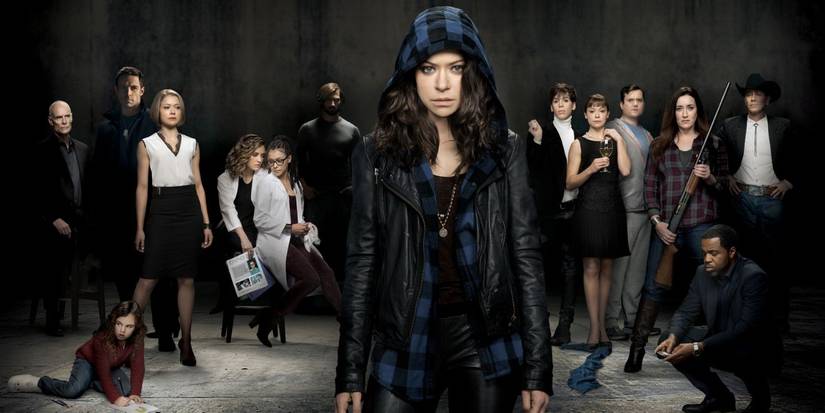
Tatiana Maslany wearing a hoodie and standing in front of the main Orphan Black characters
Orphan Black started as a high-concept clone thriller, but it didn’t reach its full potential until it leaned into its political mythology. Created by Graeme Manson and John Fawcett, the series became synonymous with Tatiana Maslany’s tour-de-force performance as multiple distinct characters, or “clones.”
In seasons 3 and 4, Orphan Black turned more politically and philosophically complex, deeply exploring bodily autonomy, corporate science, and sisterhood. Rather than stretching its premise thin, Orphan Black expanded its emotional core, as season 5 culminated with giving each clone meaningful closure, making it a must-watch sci-fi series.
Maslany ended up winning the Primetime Emmy Award for Outstanding Lead Actress in a Drama Series in 2016, cementing the show’s critical acclaim. After concluding in 2017 after five seasons, the series returned in the form of a spinoff titled Orphan Black: Echoes, which lasted one season.
Star Trek: The Next Generation
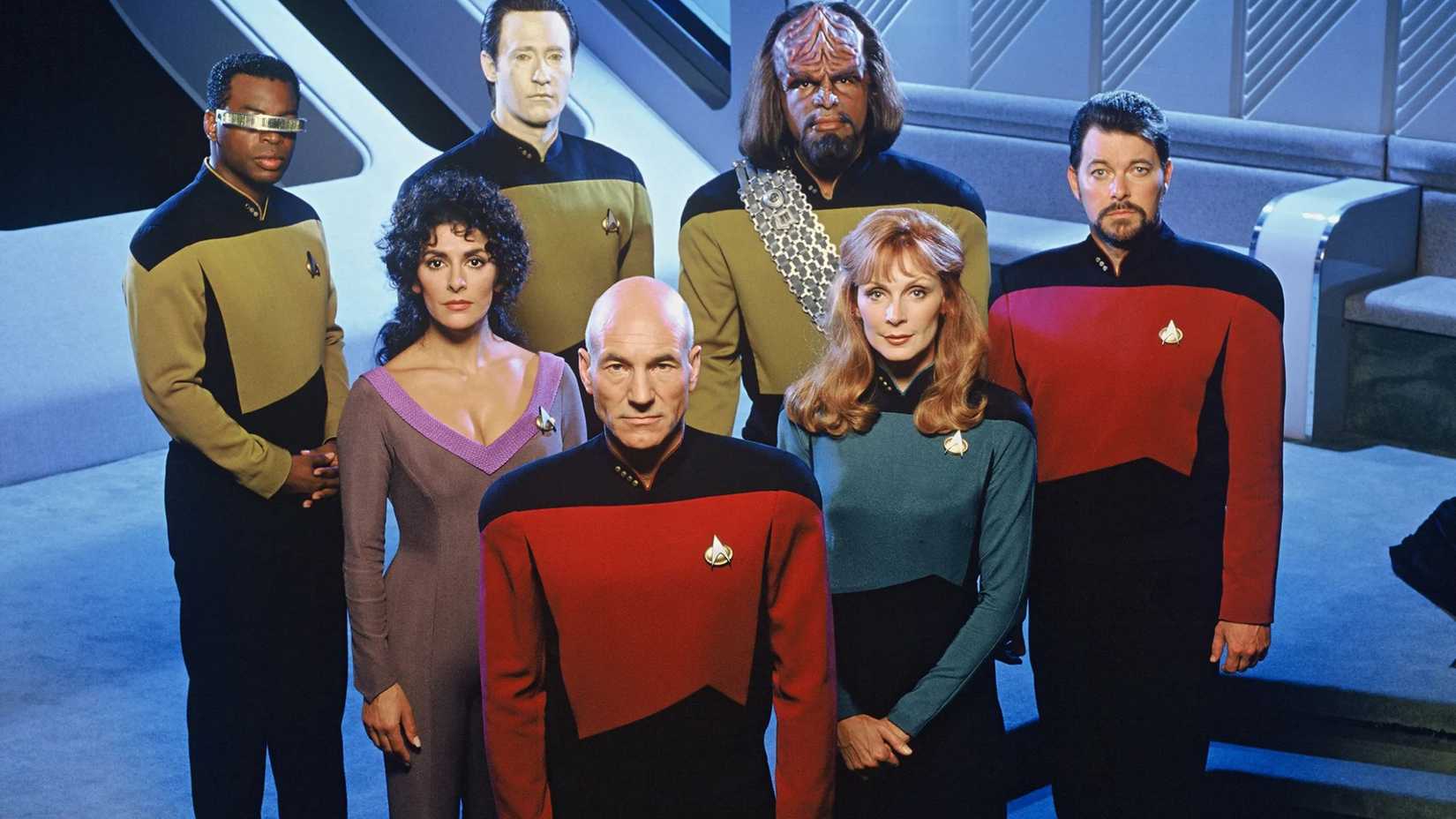
When Star Trek: The Next Generation premiered in 1987, it had the daunting task of following the original 1960s series. Its first two seasons are often criticized for uneven writing and recycled scripts. However, with Patrick Stewart as Captain Jean-Luc Picard, the series quickly became iconic.
By The Next Generation season 3, the series rapidly improved. Stronger character writing for Data, Worf, and Picard elevated the drama, while episodes like “Yesterday’s Enterprise” and “The Inner Light” became franchise classics.
The show won multiple Emmy Awards and remains a cornerstone of science fiction television. Its evolution from tentative reboot to philosophical, character-rich drama solidified The Next Generation as a defining era of Star Trek.
The Expanse
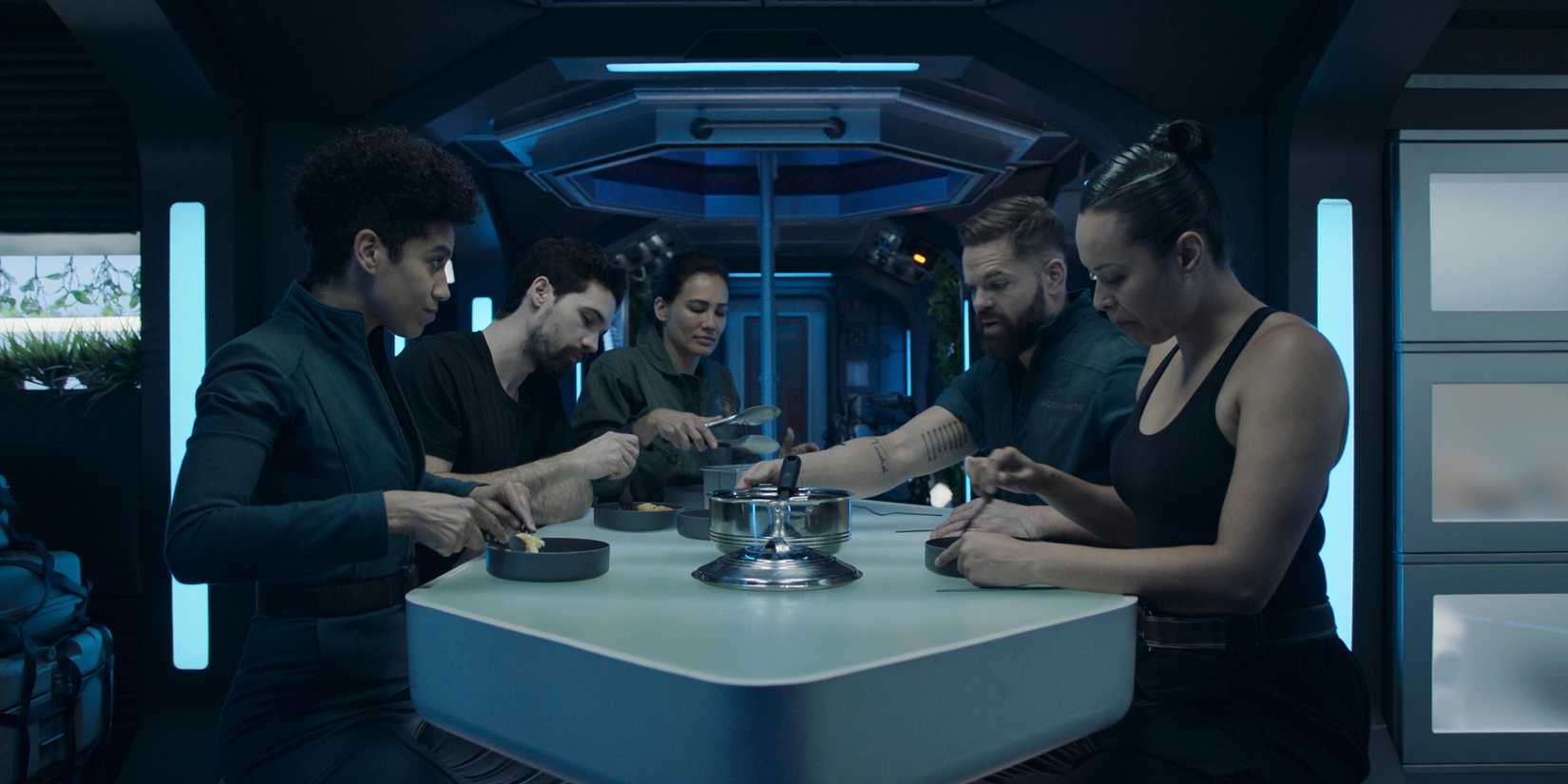
Based on the novels by James S. A. Corey, The Expanse quickly earned a reputation due to its grounded science and political realism. For many, this space opera is perfect from start to finish, an impressive feat since The Expanse lasted six seasons.
While season 1 was a slower burn, seasons 2 and 3 increased the show’s momentum, particularly during the Eros and Ring Gate arcs. The show’s move to streaming allowed for even greater narrative ambition in seasons 4 through 6, adapting Cibola Burn and beyond.
Praised for its attention to astrophysics and complex geopolitics, The Expanse’s seasons balanced spectacle with character-driven drama.
Babylon 5
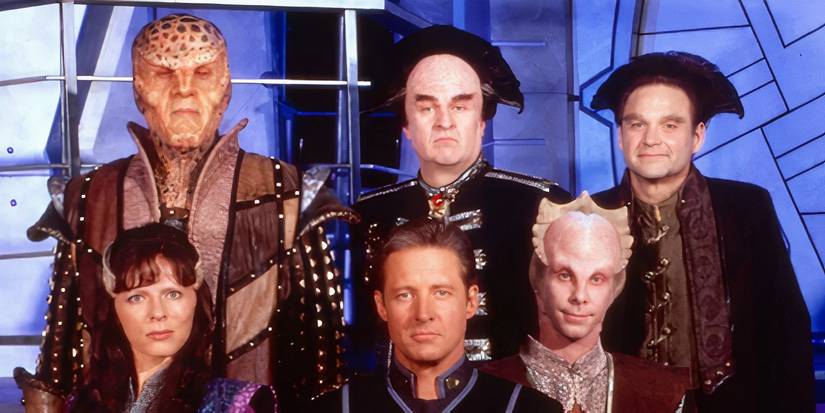
Babylon 5 Cast
Created by J. Michael Straczynski, Babylon 5 became a trailblazer for long-form serialized storytelling in genre television. Set aboard a space station serving as a diplomatic hub, the show is often seen as an influence on Star Trek: Deep Space Nine.
When season 1 premiered in 1994, Babylon 5 leaned heavily on standalone political disputes that often felt clunky and uneven, with stiff dialogue and early CGI that hasn’t aged well. The series didn’t fully click until it committed to the Shadow War arc.
What began as vague hints about the mysterious Shadows, in later seasons, became a full-scale interstellar conflict with the Vorlons. Earlier Babylon 5 episodes were revealed to be a deliberate setup for the Shadow War, providing the audience with a long-term payoff. This five-year setup proved that sci-fi television could sustain cumulative political and character consequences across multiple seasons.
Star Trek: Deep Space Nine
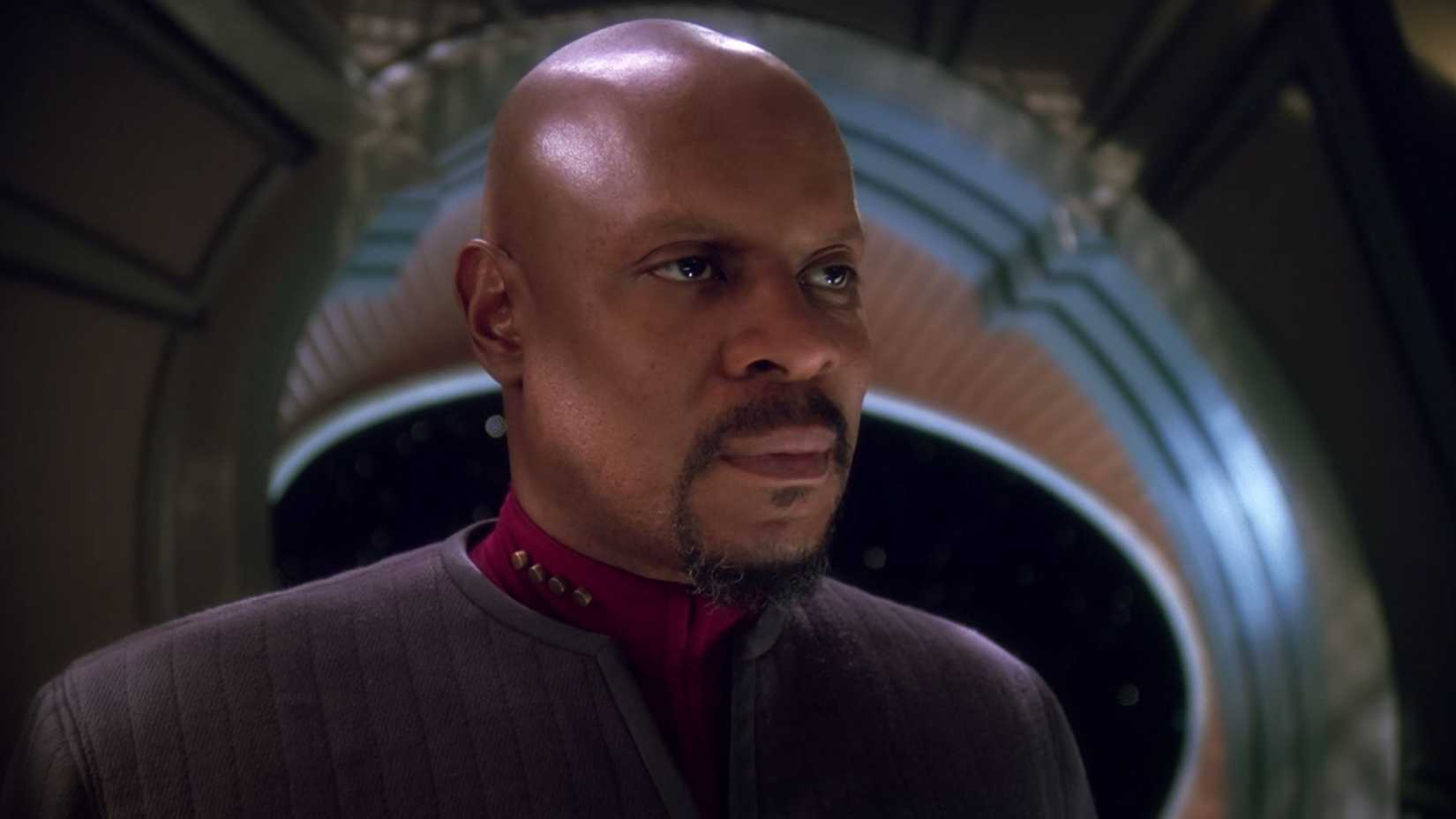
Ben Sisko looks on stoically in Star Trek Deep Space Nine
Premiering in 1993, Star Trek: Deep Space Nine shifted the beloved franchise away from direct space exploration to the support base for the Gamma Quadrant. When the series premiered, it initially divided fans who were used to Next Gen’s format.
As the series continued, Deep Space Nine became one of the franchise’s most morally complex entries. Episodes like “The Way of the Warrior” and “In the Pale Moonlight” showcase its layered politics and ethical ambiguity, with Captain Sisko making decisions that challenge Starfleet’s ideals.
By seasons 6 and 7, the Dominion War arc delivered sustained tension and character growth for figures like Kira Nerys and Gul Dukat. What started as a slow series later evolved into a bold war epic that many fans now consider peak Star Trek.
Fringe

Anna Torv floating in a pool with monitoring pads
Fringe began as a monster-of-the-week format before growing far beyond its original episodic origins. The series focused on investigating strange phenomena, often dubbed “Fringe science.” The series centered on FBI agent Olivia Dunham, scientist Walter Bishop, and Walter’s son Peter.
Fringe seasons 2 and 3 shifted the procedural style towards more continuity-focused storytelling and an alternate universe story arc. Season 3’s dual-universe storyline, on the other hand, showcased the series’ emotional depth, which was especially prevalent through the evolving dynamic between Olivia and her alternate universe counterpart.
Critics frequently praised John Noble’s performance, with the LA Times calling his portrayal of Walter Bishop “the centerpiece of Fringe.” By its fifth and final season, Fringe fully embraced high-concept storytelling, and still holds up as Fox’s best X-Files replacement.
Person Of Interest
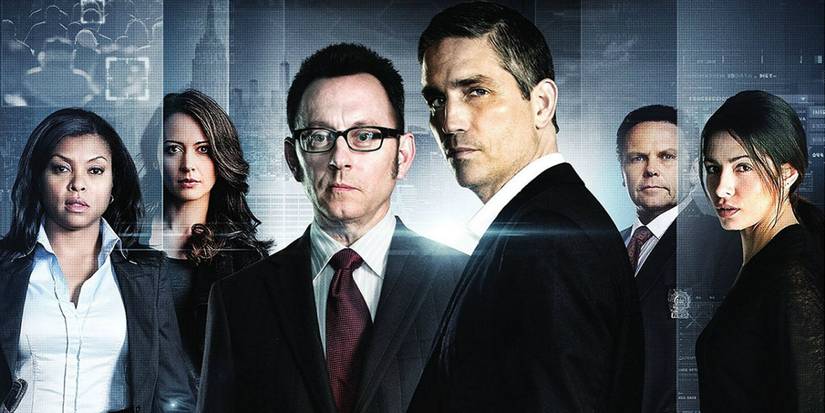
Created by Jonathan Nolan, Person of Interest initially presented itself as a crime procedural centered on a mysterious artificial intelligence, called “The Machine.”
While season 1 leaned into case-of-the-week storytelling, later seasons embraced serialized arcs focused on aspects like artificial intelligence, surveillance, and autonomy. Characters like Root and Shaw became central when the second AI, Samaritan, gained power and threatened society’s safety.
Through seasons 4 and 5, Person of Interest focused on the ethics of algorithmic control vs. free will; themes that are becoming increasingly relevant today. As the series continued, critics reassessed Person of Interest, finally praising it as one of the most forward-thinking network sci-fi dramas of the 2010s.
Farscape
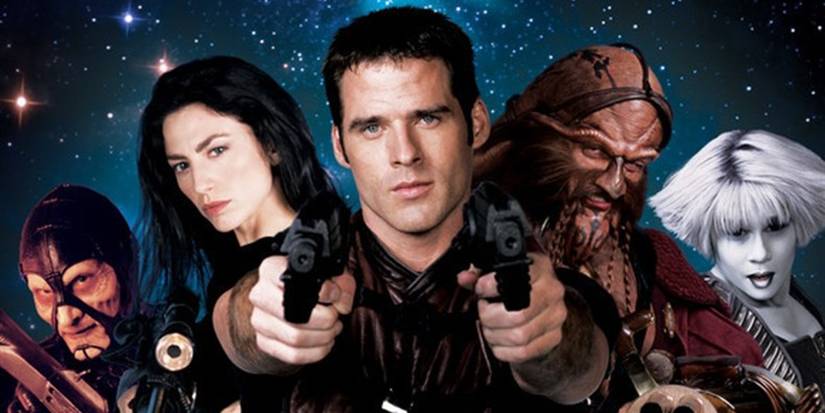
Aeryn Sun, John Crichton, and Ka D’Argo from Farscape
Debuting in 1999, Farscape was co-produced with The Jim Henson Company and became known for its inventive puppetry and bold alien designs. The series starred Ben Browder as astronaut John Crichton, who was shot through a wormhole during a test flight and was sent across the universe. Granted, season 1 started out on rocky footing.
Many felt that season 1’s self-contained episodes and inconsistency in the characters made it feel erratic. However, later seasons heightened both emotional stakes and moved the story into a longer-style arc. This was especially clear in the Scorpius storyline and Crichton’s psychological struggles.
Eventually, Farscape fully leaned into operatic storytelling, culminating in the miniseries The Peacekeeper Wars. What began as a quirky space adventure matured into an emotionally resonant, high-concept space opera.
Dark

A young man wearing a yellow anorak and entering a cave in the TV show Dark
Set in the town of Winden, the Netflix German-language thriller followed interconnected families grappling with time travel and generational trauma. Season 1 covered the disappearance of local children and the discovery of a wormhole system beneath Winden’s caves. This arc gradually revealed a time-travel cycle connecting 1953, 1986, and 2019.
In seasons 2 and 3, the narrative expanded far beyond those initial timelines. As the scope widened, Dark evolved from a missing-person thriller into an intriguingly structured saga. In short, Dark is perfect from start to finish.
Rather than collapsing under its complexity, Dark continued to excel even into its final season. Its carefully constructed three-season arc and emotionally satisfying conclusion proved how ambitious sci-fi storytelling can flourish when it continually builds upon itself.