
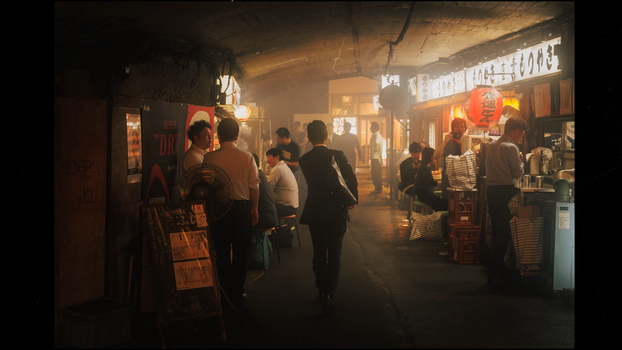
Why do some photographs feel like a fleeting memory while others possess the weight and atmosphere of a cinematic masterpiece? Let’s discuss the subtle shift in editing techniques that transforms a standard edit into a truly silver screen experience.
Kosta Bratsos shows why your photo editing doesn’t look cinematic in this video and takes us through four specific pillars that define a high-end filmic look. He touches on the importance of creating a consistent emotional mood and the necessity of separating the subject from the background to tell a clear story.
His video starts with a surprise when he asks us to use the wrong white balance in the edit on purpose. In this unconventional approach to white balance, he explains that most photographers are taught to strive for technical accuracy, yet cinema thrives on intentional color casts to evoke specific feelings. By demonstrating a night scene in Tokyo, he shows how dropping the color temperature to a cooler 3,200 Kelvin instantly shifts the narrative from a neutral record to a moody, atmospheric story. He further elaborates on how green tints can introduce a sense of unease, while magenta can lean into the ethereal or romantic. Beyond just sliding a bar, this technique is about directing the viewer’s emotions rather than simply correcting a sensor’s reading.
He also provides a detailed walkthrough on removing visual distractions that compete with the main character of your frame. By treating your photograph as a scene in a larger narrative, the editing process becomes an act of intentional storytelling rather than a series of regular adjustments.
To see these principles applied with practical real-life examples, watch the full video to witness how these subtle layers of polish come together.