
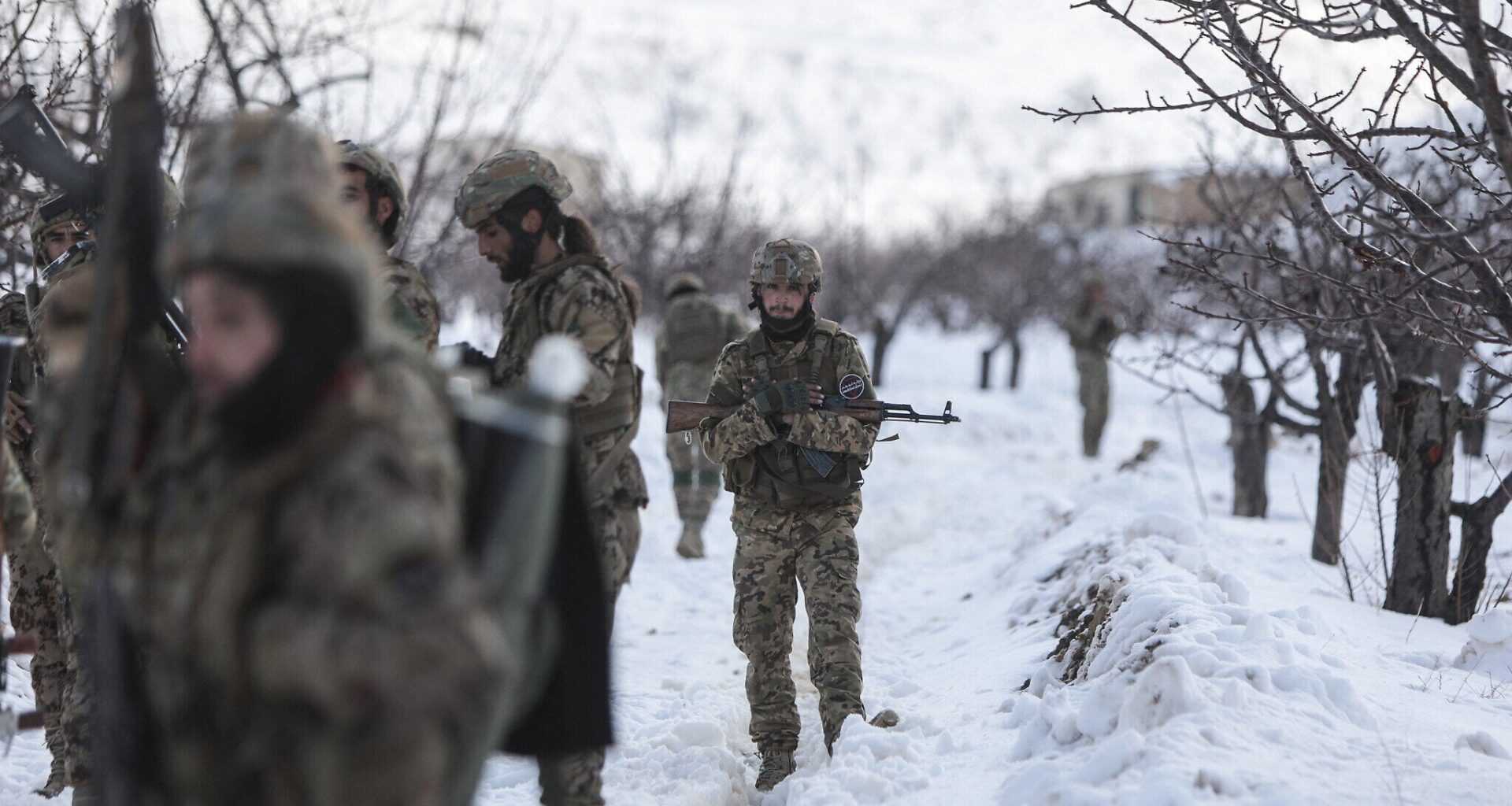
Syria has reinforced its border with Lebanon with rocket units and thousands of troops, eight Syrian and Lebanese sources said Tuesday, after the Lebanese terror group Hezbollah attacked Israel in support of Tehran amid the war that the US and Israel launched against Iran on Saturday.
The sources included five Syrian military officers, a Syrian security official and two Lebanese security officials who spoke on condition of anonymity.
The Syrian officers said the Syrian reinforcement operation began in February but sped up in recent days. The Syrian and Lebanese armed forces did not immediately respond to requests for comment.
The Syrian officers, including a senior member of the military, said the move was aimed at preventing arms and drugs smuggling, and at blocking Iran-backed Hezbollah and other armed groups from infiltrating Syria.
A Syrian officer told Reuters that military formations from several Syrian army divisions, including the 52nd and 84th Divisions, have expanded their presence along the border in western Homs countryside and south of Tartus. The reinforcements include infantry units, armored vehicles and short-range Grad and Katyusha rocket launchers, the official said.
Get The Times of Israel’s Daily Edition
by email and never miss our top stories
By signing up, you agree to the terms
The Syrian security official said Damascus had no plans for military action against any neighboring country. “But Syria is prepared to deal with any security threat to itself or its partners,” he said. Still, the move has fueled concern among some European and Lebanese officials over a possible incursion.
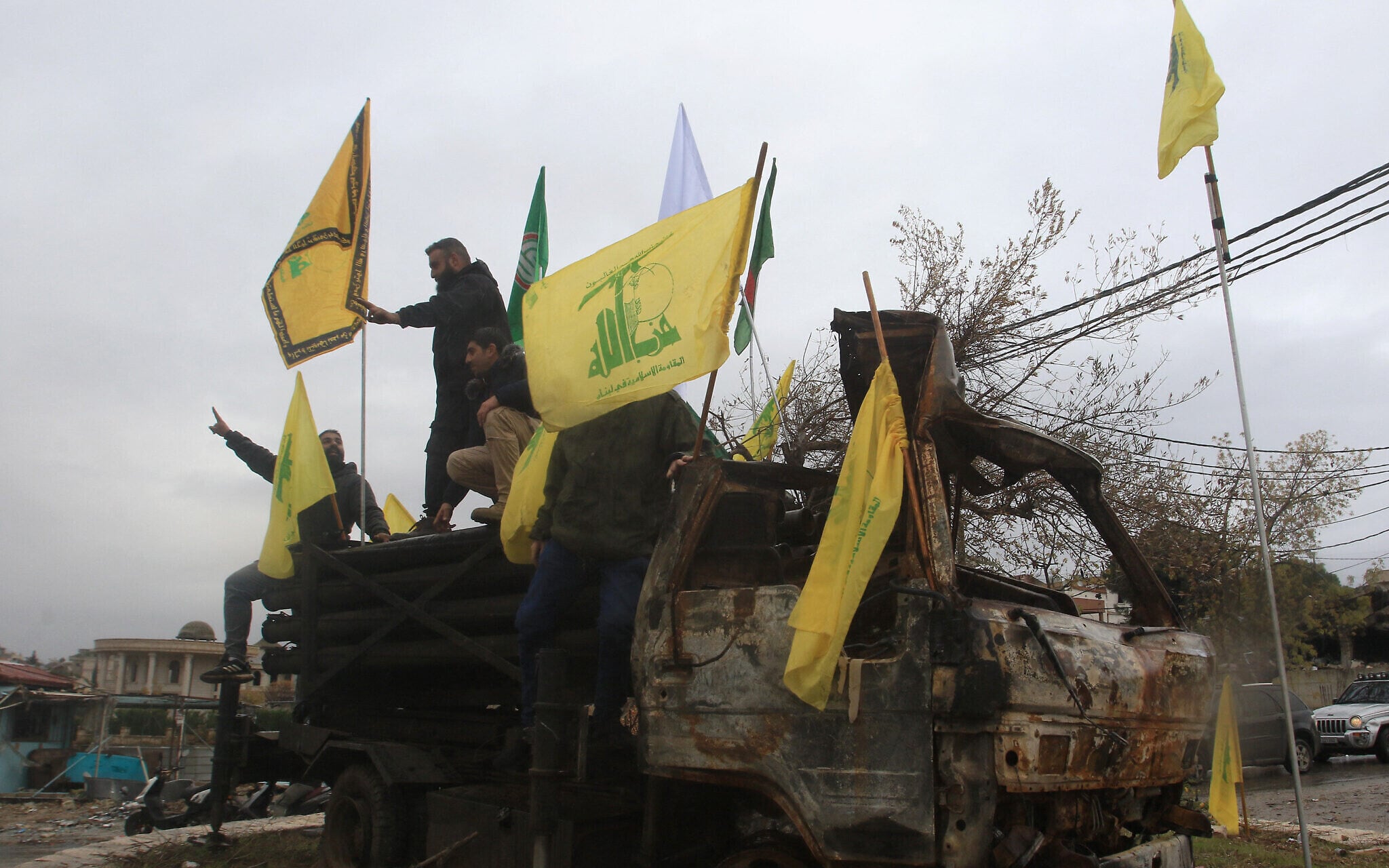
People pose for a picture on a burnt Hezbollah rocket launcher in the southern Lebanese village of Kfar Tibnit on November 27, 2024, after a ceasefire between Israel and Hezbollah took effect. (Mahmoud Zayat/AFP)
The Syrian military officers vehemently denied any such plans, saying Syria wants balanced relations with its neighbor after decades of strained ties linked to Syria’s outsized influence in Lebanon and Hezbollah’s support for the former government of Syrian president Bashar Al-Assad during a 14-year civil war. Syria had troops stationed in Lebanon from 1976 until 2005, including during Lebanon’s civil war that ended in 1990.
A senior Lebanese security official said Syrian authorities told Beirut that Syria’s deployment of rocket launchers along the mountains that form Lebanon’s eastern border with Syria was a “defensive measure against any action or attack that Hezbollah might launch against Syria.”
Hezbollah resumed firing at Israel on Monday, more than a year after reaching a ceasefire to a months-long war in November 2024.
The terror group cast the move as revenge for the killing of Iran’s Supreme Leader Ali Khamenei at the start of the US-Israeli operation in the Islamic Republic, and as a warning to Israel to fully withdraw from Lebanon.
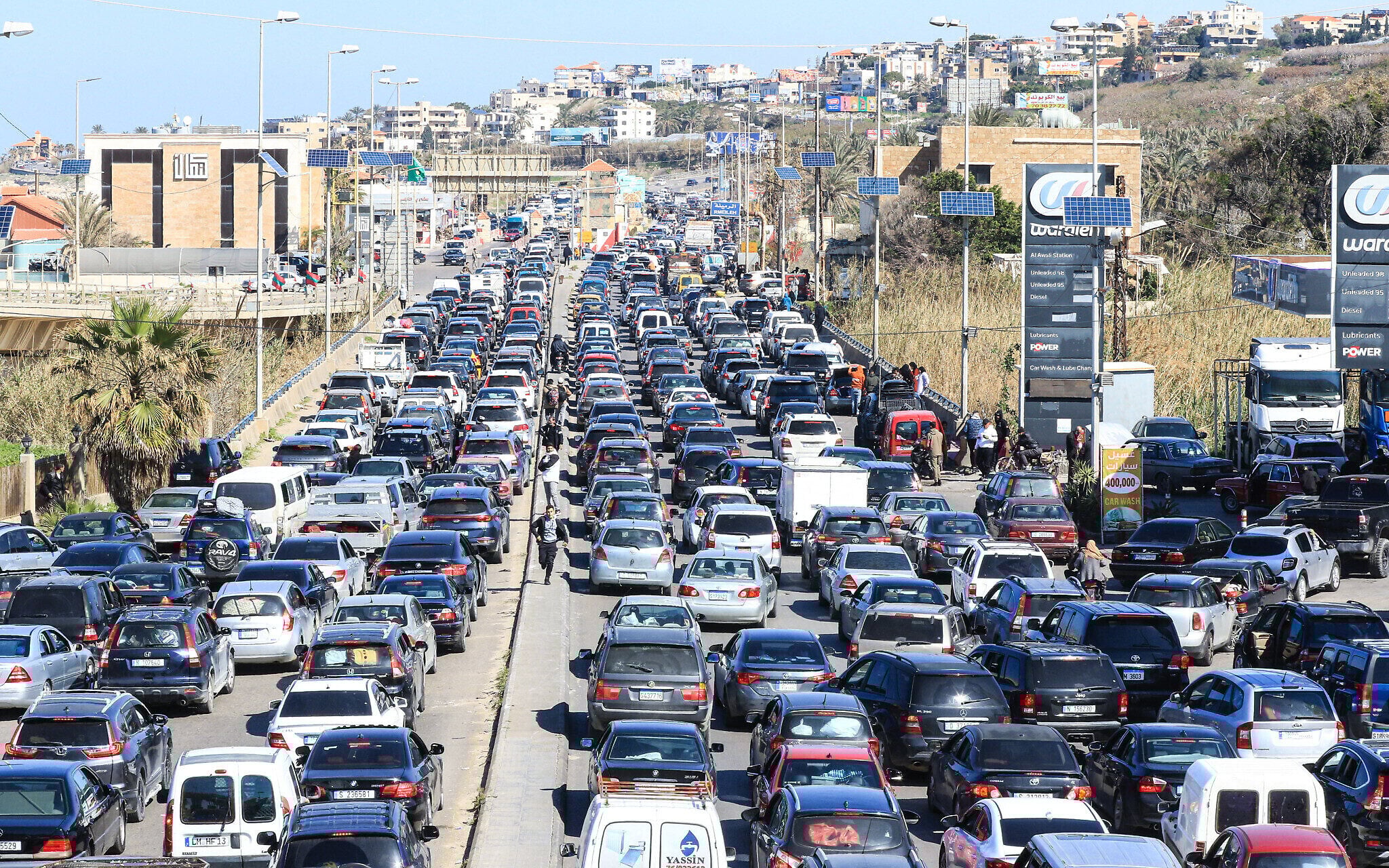
Motorists block the highway as they flee their villages in southern Lebanon along the coastal road through the city of Sidon on March 2, 2026. (Mahmoud ZAYYAT / AFP)
Citing security concerns, Israel had held on to five border posts inside Lebanon, and it also carried out frequent airstrikes in Lebanon, accusing Hezbollah of failing to vacate the country’s south as required by the ceasefire agreement.
Following Hezbollah’s rocket barrage on Monday, Israel ordered much of south Lebanon evacuated, displacing tens of thousands of people.
Israeli airstrikes across the Hezbollah stronghold in southern Lebanon and southern Beirut have prompted thousands of people to flee towards Syria, and killed dozens, including senior operatives from Hezbollah and allied terror groups.
The war against Iran came after US President Donald Trump’s repeated threats to strike the Islamic Republic, first over its bloody crackdown on anti-regime protesters in January and more recently over its nuclear program.
You appreciate our wartime journalism

You clearly find our careful reporting of the Iran war valuable, at a time when facts are often distorted and news coverage often lacks context.
Your support is essential to continue our work. We want to continue delivering the professional journalism you value, even as the demands on our newsroom have grown dramatically during this ongoing conflict.
So today, please consider joining our reader support group, The Times of Israel Community. For as little as $6 a month you’ll become our partners while enjoying The Times of Israel AD-FREE, as well as accessing exclusive content available only to Times of Israel Community members.
Thank you,
David Horovitz, Founding Editor of The Times of Israel