
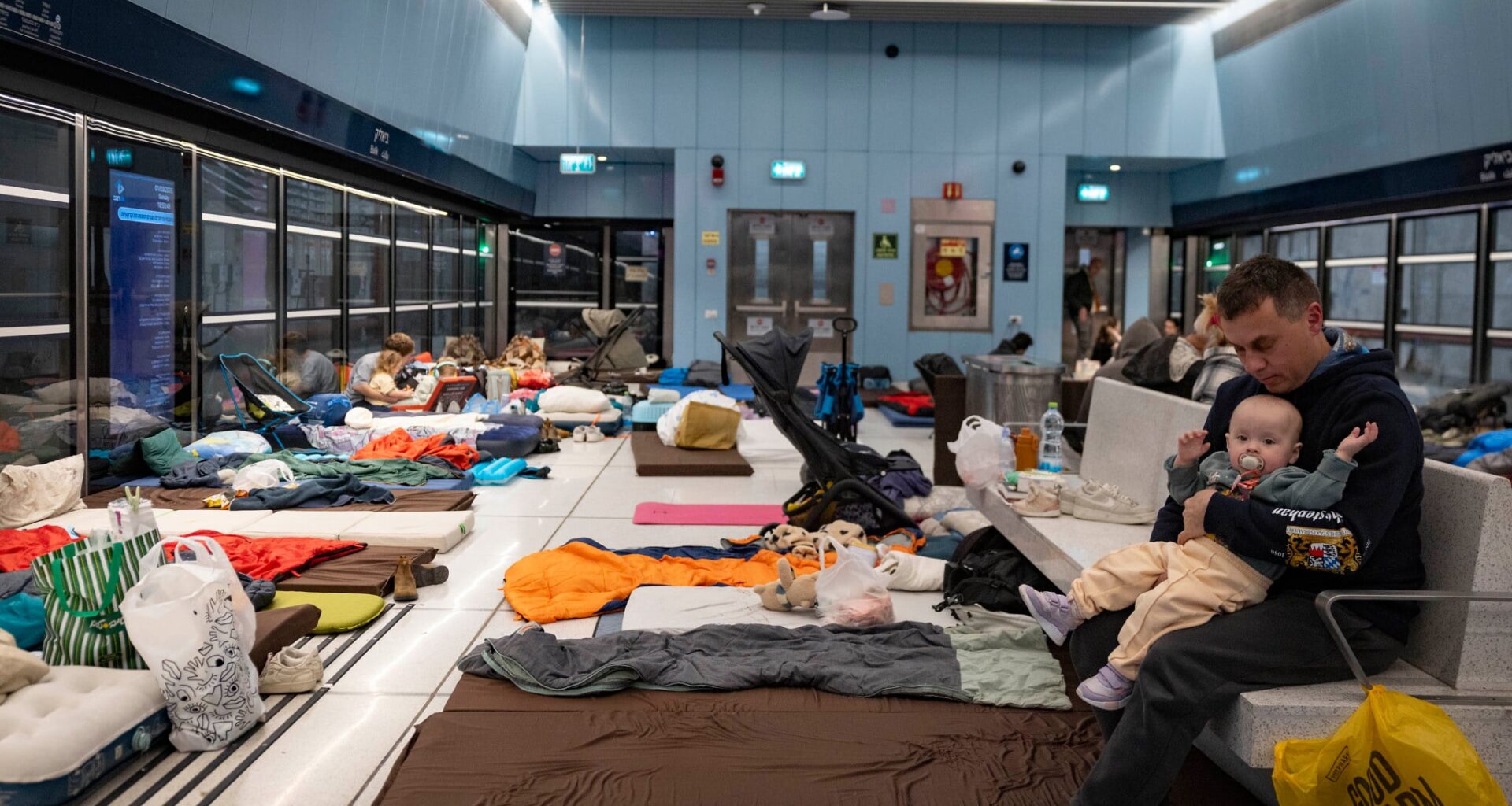
As the rate of Iranian ballistic missile fire on Israel slowed, the IDF Home Front Command on Wednesday said it will ease some restrictions that were imposed on the public at the start of the Iran war.
Following a fresh assessment, the Home Front Command said that, from Thursday at noon, the activity scale in the country will be adjusted from “essential activity” to “limited activity.”
Under the new guidelines, educational activities remain prohibited, except for a number of outlined exceptions.
Gatherings of 50 people are allowed, provided a shelter can be reached in time.
Workplaces can also operate, as long as a shelter is accessible.
Get The Times of Israel’s Daily Edition
by email and never miss our top stories
By signing up, you agree to the terms
Beaches remain closed to the public.
The guidelines will remain in effect until Saturday night, when the Home Front Command will conduct another assessment.
A US general said on Wednesday that Iran’s rate of missile fire against Israel and other countries had dropped 86% since the start of the conflict.
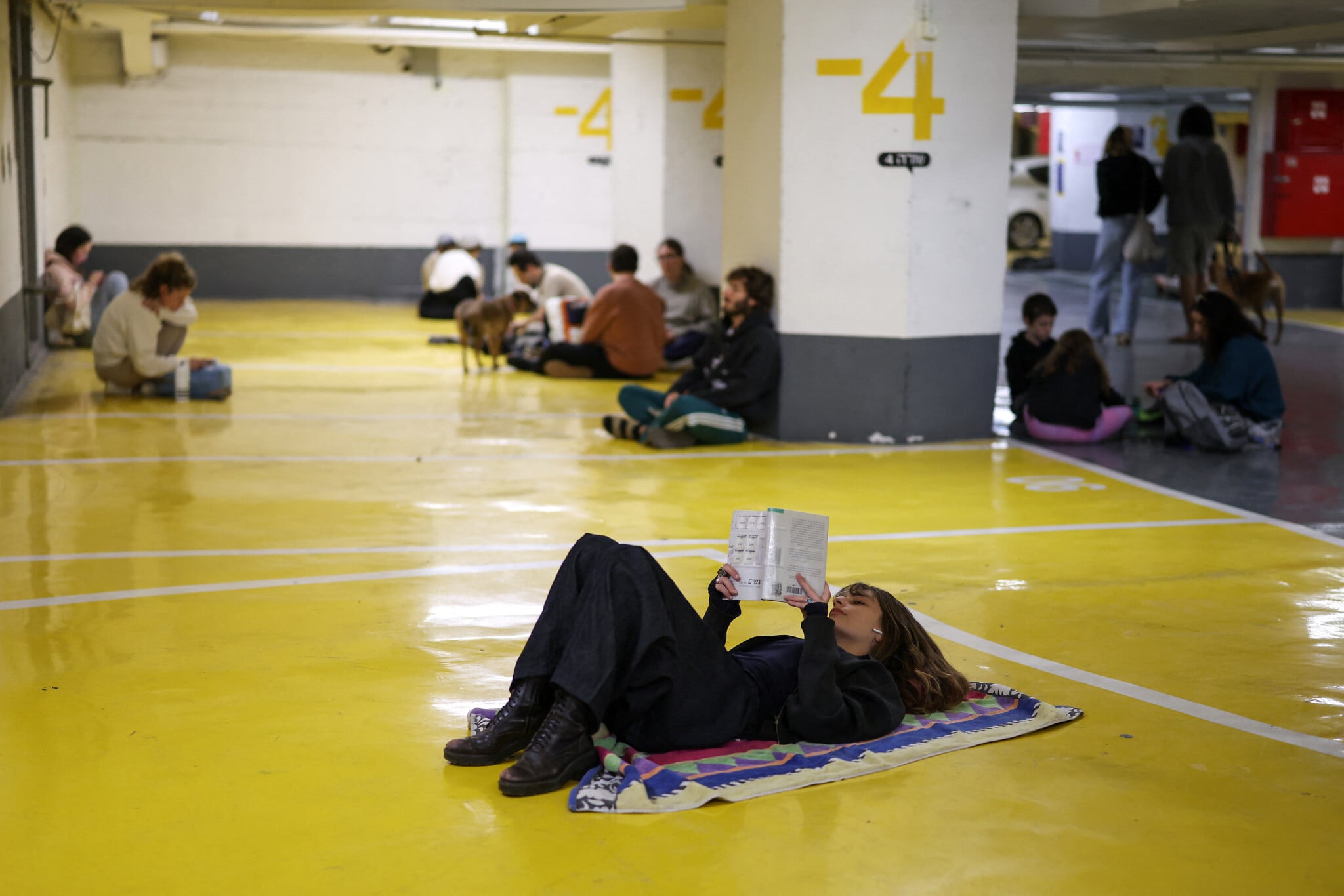
People take shelter in Tel Aviv on February 28, 2026 (Ilia Yefimovich/AFP)
The Home Front Command imposed restrictions on the public on Saturday, at the start of the offensive against Iran.
The guidelines barred all non-essential workplaces and educational activities from operating, and disallowed large gatherings or services, both indoors and outdoors.
The restrictions applied to both the public and private sectors, with the exception of essential businesses and services, which could remain open, although at limited capacities.
The guidelines were expected to take a heavy toll on the economy.
The Finance Ministry warned on Wednesday that, if the restrictions remained in place, the estimated cost to the economy would reach NIS 9.4 billion ($3 billion) per week.
In a letter sent to Home Front Command chief Maj. Gen. Shai Klapper on Wednesday, Finance Ministry Director General Ilan Rom asked to ease restrictions to allow for a gradual, partial reopening of businesses and workplaces as early as Thursday.
“There is no dispute about the need to preserve a defense policy adapted to the security situation, but at the same time, shutting down the economy on a broad scale carries heavy economic costs,” Rom cautioned.
Also, the first repatriation flights from Athens bringing home thousands of Israelis who were stranded abroad during the war were set to arrive in Israel overnight Wednesday-Thursday.
An estimated 100,000 Israelis have been unable to return home since the outbreak of hostilities.
Iran has fired hundreds of missiles and drones at Israel since the start of the war, killing 11 and wounding hundreds.
You appreciate our wartime journalism

You clearly find our careful reporting of the Iran war valuable, at a time when facts are often distorted and news coverage often lacks context.
Your support is essential to continue our work. We want to continue delivering the professional journalism you value, even as the demands on our newsroom have grown dramatically during this ongoing conflict.
So today, please consider joining our reader support group, The Times of Israel Community. For as little as $6 a month you’ll become our partners while enjoying The Times of Israel AD-FREE, as well as accessing exclusive content available only to Times of Israel Community members.
Thank you,
David Horovitz, Founding Editor of The Times of Israel