
Maryland
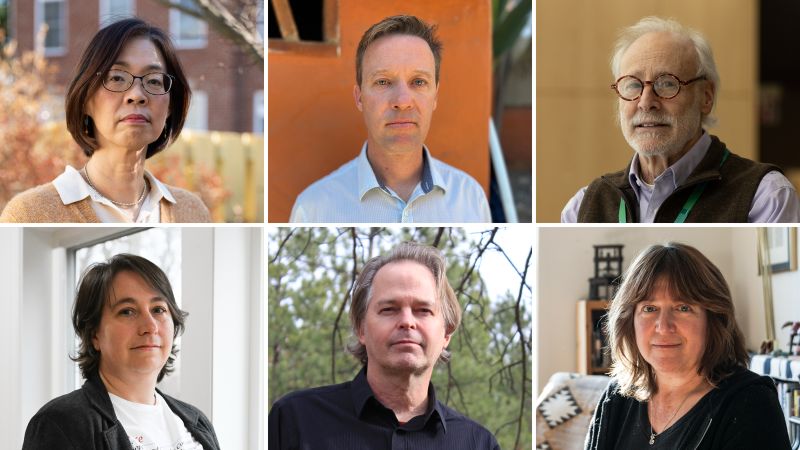
Sylvia Chou specializes in communication between patients and their health care providers, and social media’s role in public health. She joined the federal government in 2007 as a fellow and became a civil servant in 2010.
She left her National Cancer Institute job in January, she said, because the “work is no longer based on facts or truth.”
After President Donald Trump returned to office, Chou said, health communication scientists like her were falsely accused of “essentially doing propaganda work.” The administration’s “anti-DEI hysteria,” she said, referring to diversity, equity, and inclusion, meant research funded by the National Institutes of Health was flagged and scrubbed of references to “equity, vulnerable, underserved, poor, even communities of color, minorities.”
She said the agency’s climate in 2025 brought to mind her childhood in Taiwan, when the island was still ruled by an authoritarian regime.
“I could see the difference between a time when, you know, we have a choral competition and we have to sing the same songs to revere the leader of the country, to suddenly they say you can sing any song you want,” Chou said. “I came to this country in part because there was so much opportunity to think freely.”
“To see us going backwards,” she added, “it just made me feel like I have limited time on this earth and I cannot participate anymore inside the system.”
Staff scientist, National Institute of Allergy and Infectious Diseases
Philip Stewart’s work was about understanding the pathogens ticks carry that make people and animals sick.
That often started with walks through tall grass searching for the arachnids. He analyzed them back at Rocky Mountain Laboratories.
When Trump entered office in 2025, Stewart experienced repeated disruptions to his work.
“It’s been one hurdle after another. Just when you’ve gotten over one and you think it’s finally behind you, another hurdle pops up,” Stewart said. “I don’t see that changing.”
NIH workers responsible for buying laboratory supplies were fired. As a result, Stewart said, he faced delays in getting the basics, including materials used to identify tick species.
Travel bans in early 2025 threatened his fieldwork. When those bans lifted, Stewart said, for the first time in his career he needed a presidential appointee’s approval to travel. Amid last year’s government shutdown, Stewart missed his only opportunity in the year to collect ticks from deer at hunting stations — his best chance to see if deer ticks had become established in Montana.
The review process for scientists to share their research became more burdensome.
He said scientists have debated whether they should try to stay and work within the system, adding that, if everyone leaves, “no cures get found.”
“If I saw a way to stay on and be useful and perhaps to protest, then I think I would’ve stayed,” Stewart said. “But I don’t see any of those alternatives.”
Maryland
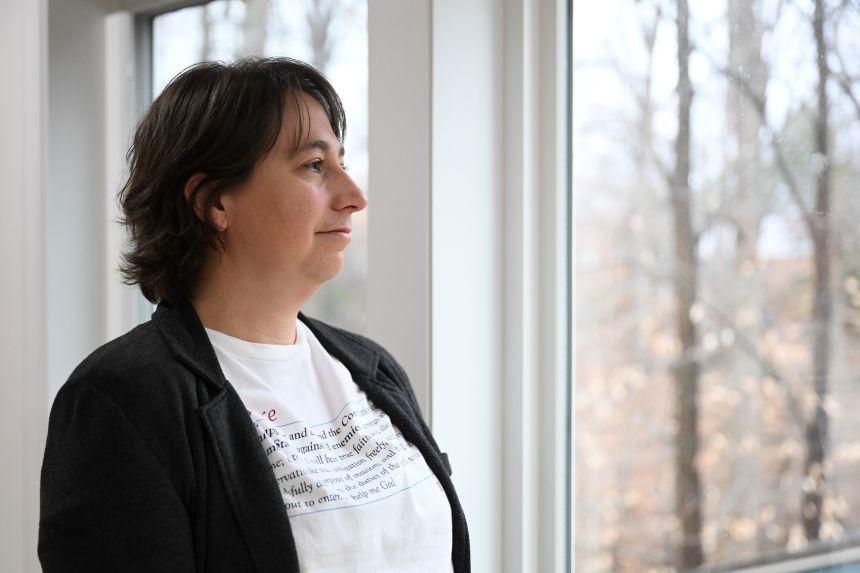
Alexa Romberg is a scientist who specializes in preventing the use of and addiction to tobacco, electronic cigarettes, and cannabis. The harms that stem from substance use or addiction don’t affect all Americans equally, she said.
Romberg left her “dream job” at the National Institute on Drug Abuse in December, she said, because Trump policies had compromised the research she helped oversee. Among other things, Romberg said, grants were terminated under an initiative she led to reduce substance use-related health disparities among racial and ethnic minorities. Pending applications were also pulled, she said, adding, “I couldn’t be effective from the inside in actively really preserving the science.”
Romberg said her work was undone even though it was consistent with “what the NIH leadership is saying that they want.” In August, NIH Director Jay Bhattacharya issued a statement on priorities that included “solution-oriented approaches in health disparities research.”
Before the upheaval throughout 2025, she thought she would work at NIDA for the rest of her career.
“We’re losing a lot of expertise,” Romberg said. “Both scientific,” she added, and “institutional knowledge.”
Maryland and Vermont
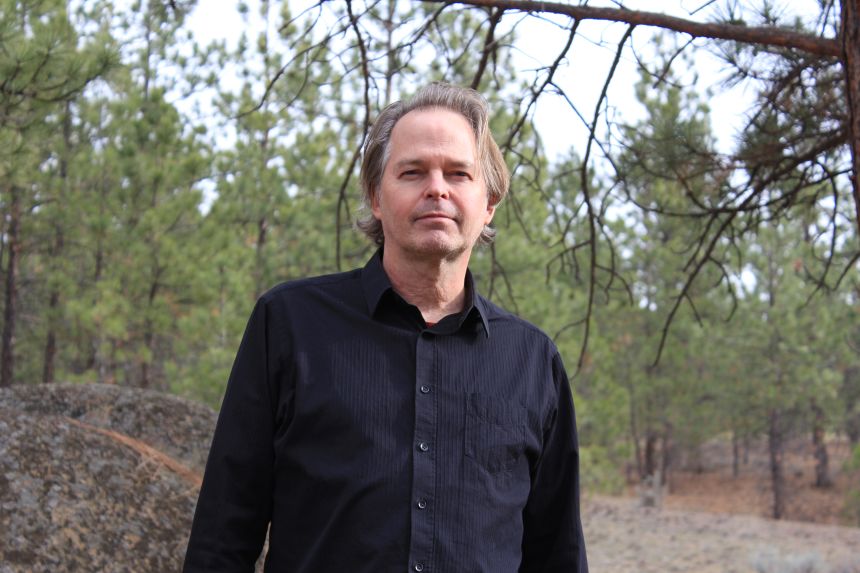
Marc Ernstoff spent most of his career in academia before joining the National Cancer Institute in 2020. He led a team of scientists who oversaw grants for research into how the immune system responds to cancer, with the goal of developing drugs that extend patients’ lives.
“I felt that it was important for me to help define a national agenda in immuno-oncology and to give back to a country that I love by working as a civil servant,” Ernstoff said.
Under Trump, the NIH became a “hostile work environment.” Projects with “no weaknesses” were denied funding. Ernstoff left because of those challenges and because he was denied permission to work remotely. He now has a part-time position at Dartmouth Health in New Hampshire.
Leveraging a person’s immune system to fight off cancer is “just the beginning of the story,” Ernstoff said. Understanding how the immune system works — and the environmental and other factors that affect it — all “goes into developing better therapeutics for patients.”
“In my opinion, the government has a responsibility to support this kind of research for the benefit of our society,” he said.
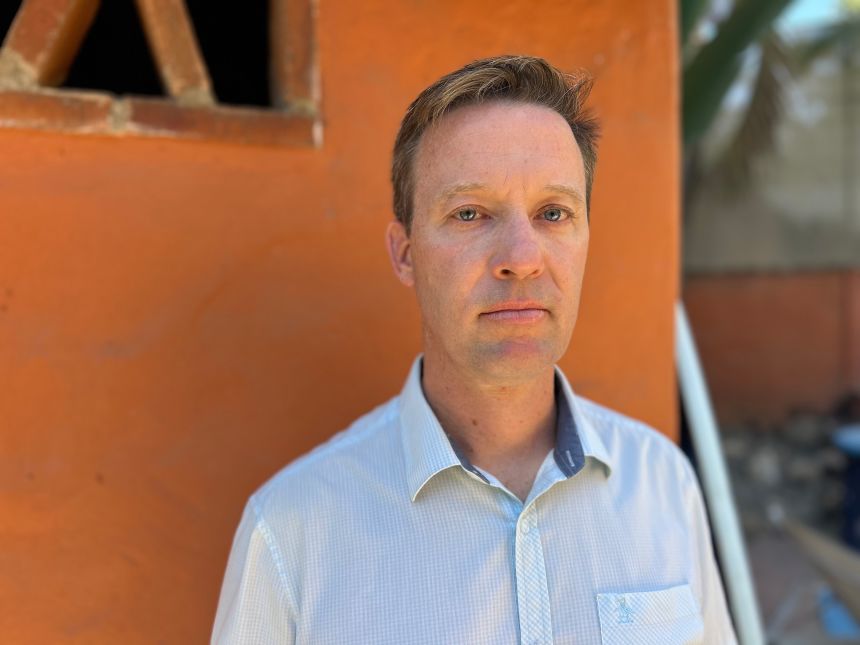
Staff scientist, National Institute of Allergy and Infectious Diseases
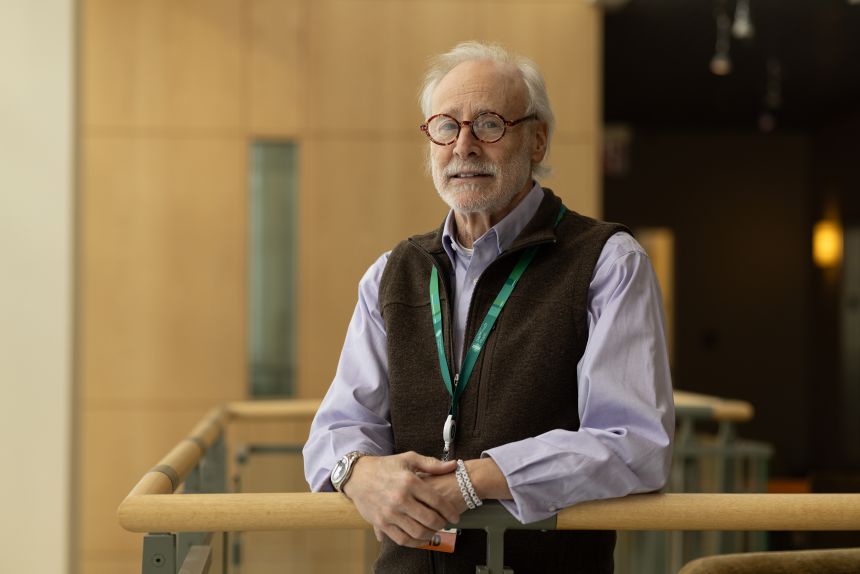
At Rocky Mountain Laboratories, Daniel Dulebohn studied how molecules come together in infections and diseases. He helped agency researchers across the nation get insight needed for new discoveries and treatments.
Dulebohn said he worked for the government because he knew his research wouldn’t be steered by the pressure to make money. He had planned to stay indefinitely.
“You’re trying to cure a disease or understand something fundamental about biology,” Dulebohn said.
But then his work began to feel insecure, especially as federal leaders characterized scientists as inept, corrupt, and partisan.
“Reading the news and hearing people discuss the validity of vaccines,” he said, made him think, “Do we need iron lungs again, or people in wheelchairs, to say, ‘Huh, maybe vaccines are a good idea’? I mean, I don’t know; for me, it was just too much.”
He added federal researchers typically have other options for jobs with bigger paychecks.
Dulebohn left his job in September. He’s taking a year off to think about next options with his wife and their three young kids. Dulebohn said he’s considering going into real estate full-time, which until recently was a weekend hobby.
“It’s a lot less stress,” he said. “Pay is better.”

Maryland
Jennifer Troyer’s work for the NIH most recently involved reviewing research and overseeing funding awarded to institutions for genomics research. Genomics studies all of a person’s genes to better understand health and disease risk.
She called it quits at the end of December, more than two decades after she arrived. She left for one reason, she said: “The way that the NIH is making the agreement to fund science is now susceptible to political decision-making in a way that it was not before.”
“NIH is looking at not the value of the science but whether the science falls within particular political or socially-acceptable-to-this-administration constructs,” she said. “Not whether it’s valuable for human health but whether it might offend somebody.”
For example, she saw HHS move to cut off funds to Harvard after alleging that it had shown “deliberate indifference” to antisemitism on campus. Early-career investigators from minority backgrounds lost their research dollars because the money was awarded under programs to make the science workforce more diverse.
The loss of staff means the NIH has “lost so much of that institutional knowledge and leadership, which is not something that is easy or can be learned overnight,” she said.
KFF Health News is a national newsroom that produces in-depth journalism about health issues and is one of the core operating programs at KFF — the independent source for health policy research, polling, and journalism.