
NOTE: In his introductory remarks at the media briefing on 5 March 2026, the Director-General said that an estimated 100 000 people have left Iran. The text below has been corrected to show that an estimated 100 000 people have left the city of Tehran, not Iran.
________________________
WHO is concerned over the expansion of the conflict in the Middle East which is putting health systems and lives at risk in the region and beyond.
At a press conference earlier today, Dr Tedros Adhanom Ghebreyesus, WHO Director-General, spoke about the impact:
“WHO is deeply concerned about the conflict in the Islamic Republic of Iran and the Middle East, with 16 countries affected.
So far, almost 1000 deaths have been reported in Iran, 50 in Lebanon, 13 in Israel and 11 in other gulf countries.
In addition, WHO has verified 13 attacks on health care in Iran, and one in Lebanon.
Under international humanitarian law, health care must be protected and not attacked.
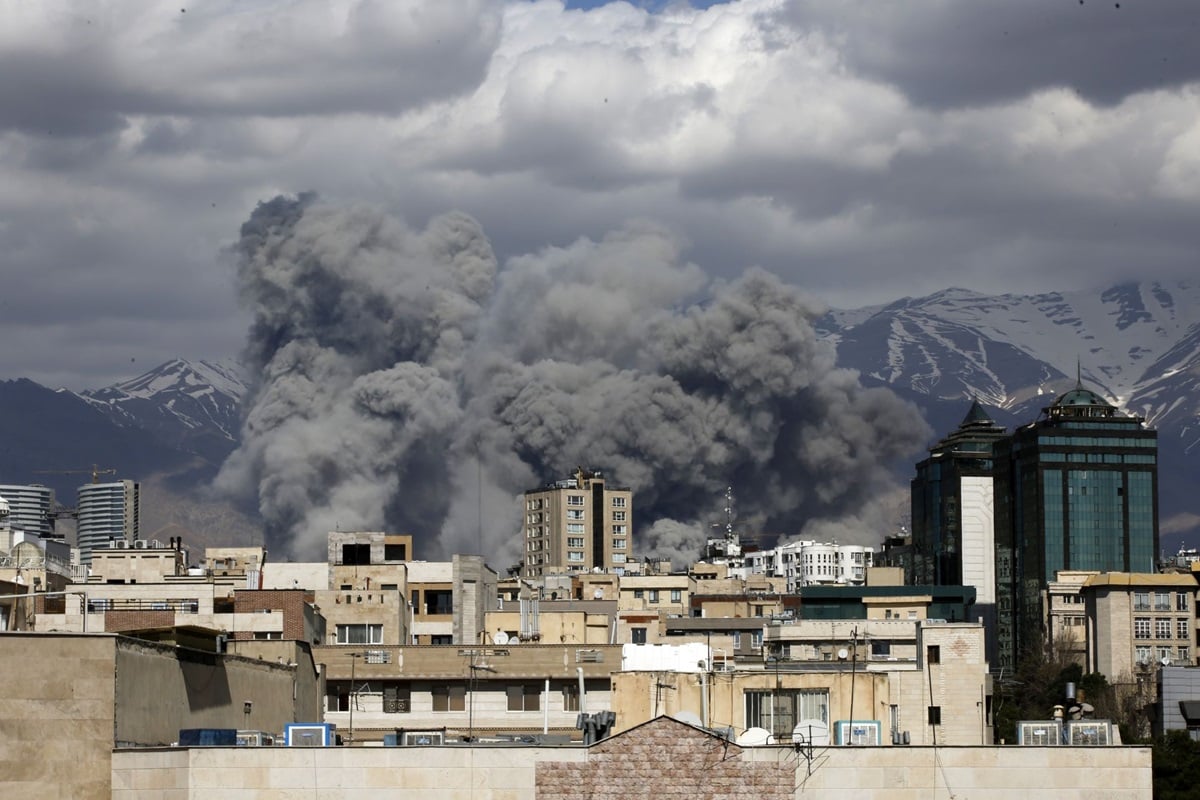
The conflict is also causing significant displacement. So far, an estimated 100 000 people have left Tehran, and in Lebanon, more than 60 000 people have been displaced, and at least 1 million people may be on the move following evacuation orders in the south.
The threat of nuclear facilities being impacted is also concerning: any compromise to nuclear safety could have serious public health consequences.
WHO is working closely with our offices in the affected countries to monitor the impact on the delivery of health services, and provide support when needed and requested.
But the impact goes beyond the immediately affected countries.
Operations at WHO’s Logistics Hub for Global Health Emergencies in Dubai are currently on hold due to insecurity.”
Dr Hanan Balkhy, WHO Regional Director for the Eastern Mediterranean, also addressed the media, highlighting the impact on the supply chain and mitigation efforts.
“The situation across the Eastern Mediterranean is escalating rapidly, with serious consequences for civilians and health systems.
Across the region, nearly 1000 people have reportedly been killed and 7000 injured.
One of our most serious concerns is attacks on health care.
In the past week, WHO has verified 13 attacks on health care in the Islamic Republic of Iran.
In Lebanon, evacuation orders have forced the closure of 43 primary health care centres and two hospitals. Violence has also affected first responders, with paramedics killed and injured.
At all times and in all places, health workers, patients and health facilities must be protected—even in war.
Last year, WHO’s Global Health Emergencies Logistics Hub in Dubai fulfilled more than 500 emergency orders for 75 countries across all six WHO regions.
However, humanitarian health supply chains are now being jeopardised.
The Hub’s operations are temporarily on hold due to insecurity, airspace closures and restrictions affecting access through the Strait of Hormuz.
This disruption is preventing access to US$18 million in humanitarian health supplies, while another US$8 million in shipments cannot reach the hub.
More than 50 emergency supply requests from 25 countries are currently affected. US$6 million in medicines for Gaza and US$1.6 million in polio laboratory supplies are also held up.
Half of global humanitarian needs are concentrated in the Eastern Mediterranean Region.
We are coordinating the health response across affected countries, supporting ministries of health and partners to sustain essential services, as well as strengthening disease surveillance and preparing for potential mass casualties and displacement.
WHO is also pre-positioning trauma supplies and essential medicines, supporting countries to maintain critical public health functions, as well as scaling readiness for chemical, biological, radiological and nuclear risks.
Yet our emergency operations across the Region currently face a 70 per cent funding gap. Without urgent financial support, essential services will cease—and preventable suffering will deepen.
WHO remains committed to doing all we can for the people of the Region.”
WHO continues to monitor the situation for mass casualty needs, disruptions to essential public health services, and the health needs for people who have been displaced, and work with countries and health partners to minimize these as quickly as possible, as lives depend on it.