
Helicopter-born Israeli commandos landed deep in eastern Lebanon in an overnight raid aimed at locating the body of missing Israeli Air Force navigator Ron Arad, the military said. The raid was accompanied by heavy Israeli airstrikes that killed at least 41 people, according to local officials. There were no Israeli casualties.
The Israel Defense Forces said no findings relating to Arad were discovered during the operation in Nabi Chit. Still, the military said it can now rule out one of the possibilities of where Arad’s remains may be.
Arad’s family was updated on the developments, the military said.
Lebanese state media and Hezbollah first reported overnight that Israeli troops attempted a helicopter landing in the Hezbollah stronghold of Nabi Chit in the Baalbek district near the Lebanese-Syrian border.
The state-run National News Agency (NNA), citing the Lebanese health ministry, said Israeli strikes on Nabi Chit killed at least 16 people and wounded 35 others. Later the ministry updated the toll to 41 killed and 40 wounded.
Get The Times of Israel’s Daily Edition
by email and never miss our top stories
By signing up, you agree to the terms
Hezbollah said in a statement that its fighters had “observed the infiltration of four Israeli enemy army helicopters from the Syrian direction.”
لحظة تصدّي المقاومة اللبنانية لطائرات الاحتلال في سماء بلدة النبي شيت جنوبي لبنان pic.twitter.com/4BlIjJtnGv
— شبكة قدس الإخبارية (@qudsn) March 6, 2026
After landing, advancing troops “were engaged by a group” of Hezbollah fighters as they reached the Nabi Chit cemetery, Hezbollah said, noting the use of light and medium weapons.
Hezbollah claimed that Israeli forces responded with heavy airstrikes before evacuating the troops, and later said its fighters fired rockets as the Israeli forces withdrew.
Footage shared on social media showed waves of gunfire in the air.
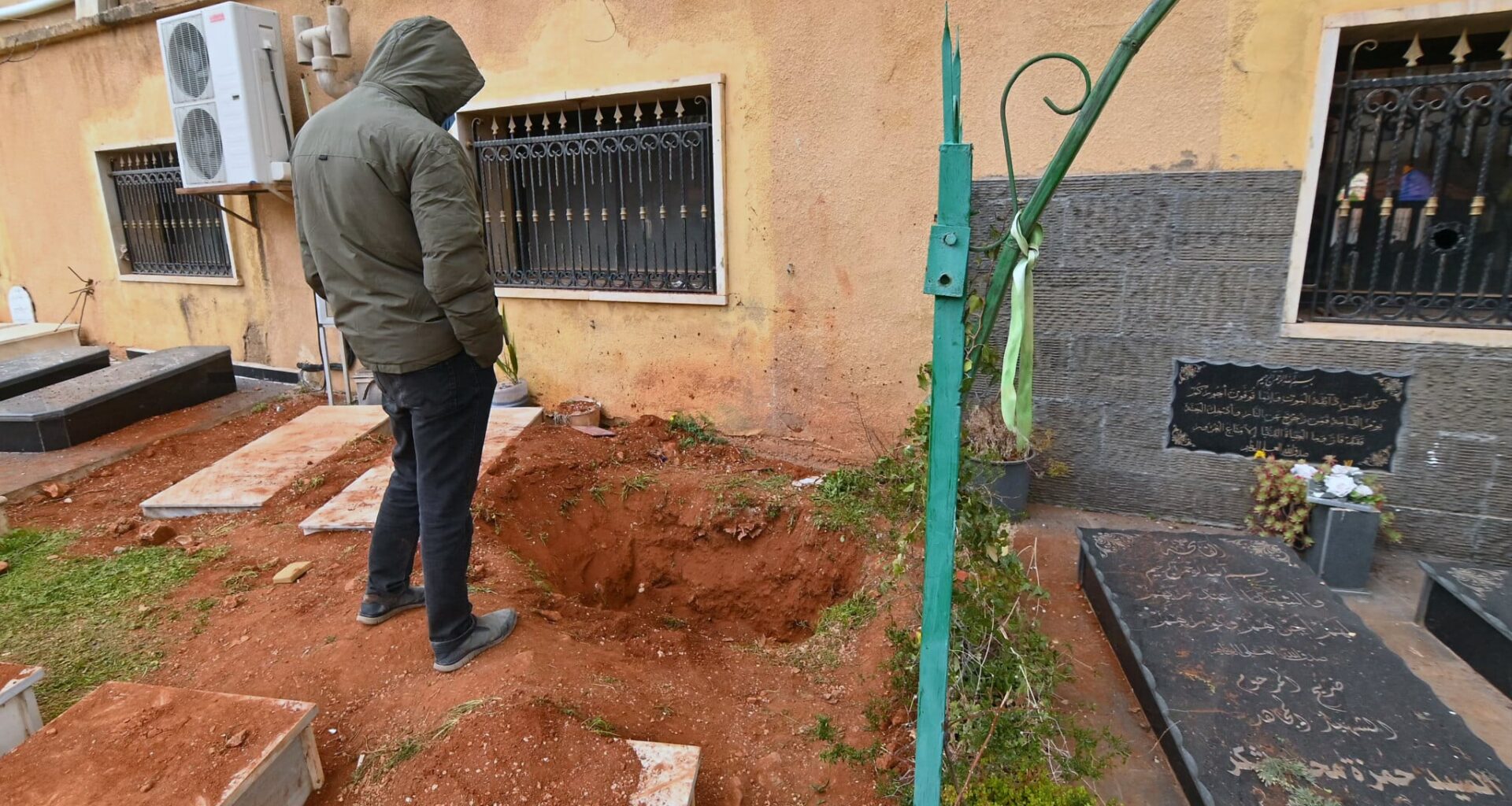
Another video published by Lebanese media purported to show Israeli troops and helicopters in the area. Later video and pictures appeared to show a hole in the ground that the troops dug at the edge of a local cemetery.
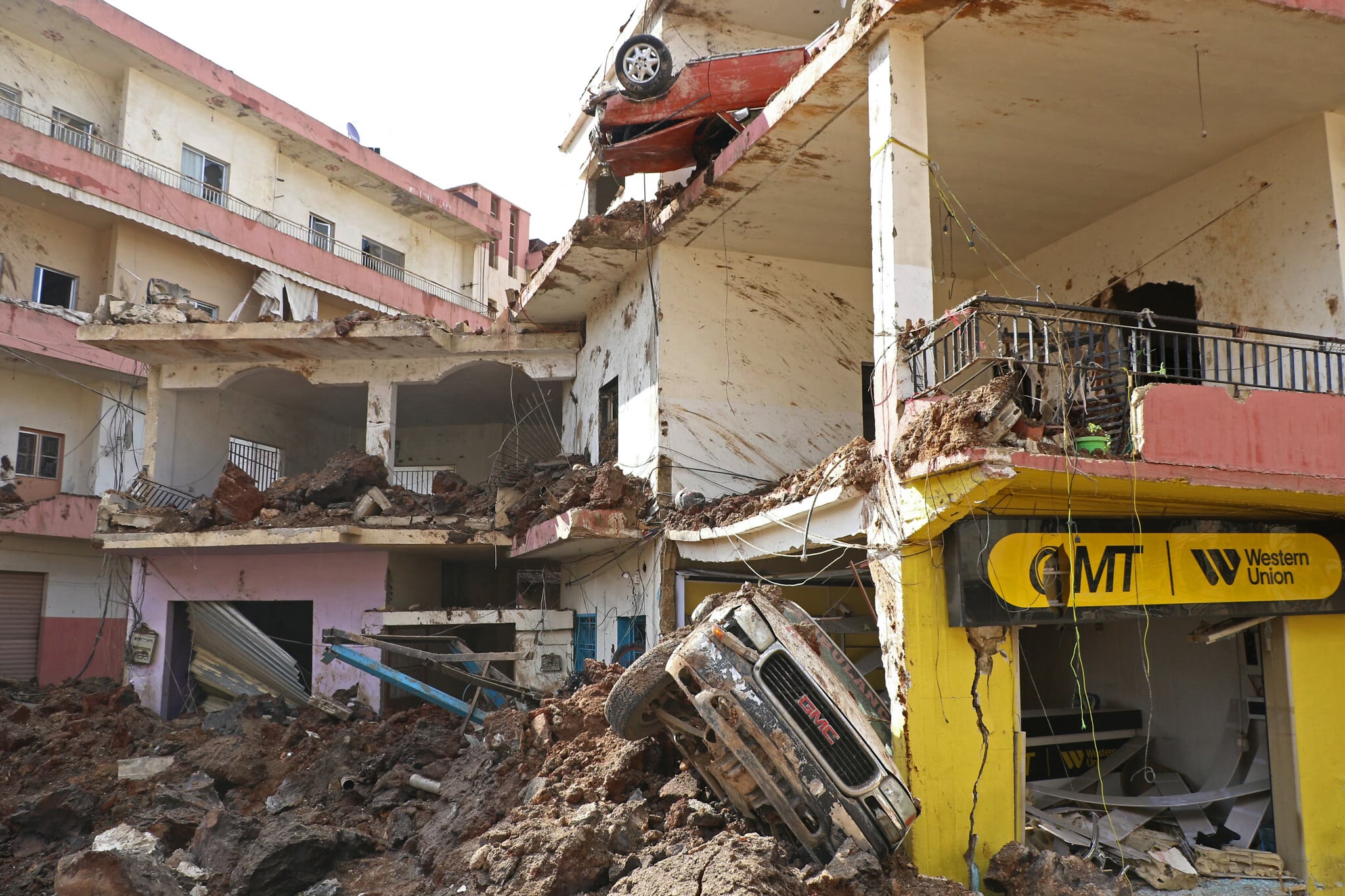
This photograph taken during a media tour organised by the Hezbollah shows destruction at Nabi Chit town after an Israeli military operation in the Bekaa Valley of Lebanon, on March 7, 2026. (Photo by Nidal SOLH / AFP)
Saudi outlet al-Hadath, without citing sources, first said the raid may have been an attempt to recover the remains of Arad.
On Saturday afternoon, the IDF confirmed the raid, but said that contrary to Hezbollah claims, there had been no clashes with the Iran-backed forces and no fire was directed at the forces.
Troops operated in Nabi Chit while heavy airstrikes were carried out to isolate the area, the IDF said, adding that anyone who approached the forces was hit.
The IDF said the operation was carried out following an “operational opportunity” that arose following an evacuation order issued in Nabi Chit yesterday, and other intelligence amid the ongoing fighting with Hezbollah.
Arad’s plane went down over southern Lebanon in October 1986, during the country’s 1975-1990 civil war. He was believed to have initially been captured and held by the Shiite Amal movement.
He has long been presumed dead, but his remains were never returned.

Air Force navigator Ron Arad, who went missing in 1986, with friends. (Israeli Air Force)
Don’t endanger soldiers to return remains
Arad’s widow, Tami, said in a later statement that the family does not want the body of the missing airman to be recovered if it means an operation that would put the lives of IDF soldiers at risk, saying that the request has been repeatedly ignored by decision-makers.
“We understand that our words until now have not been understood by the decision-makers and therefore it’s important for us to clarify: Our desire to know what happened to Ron stops as soon as there is risk to IDF soldiers,” she wrote on Facebook.
“In our eyes, the sanctity of life comes before the commitment to return the remains of a fighter for burial. This is our worldview also regarding our loved one who disappeared some 40 years ago,” she wrote
“We have stated as a family on more than one occasion that we oppose actions that would endanger soldiers. That’s why we say to the prime minister of Israel: We thank everyone involved in the intelligence activity concerning Ron. We value the commitment of the State of Israel, yet we request in every way possible, do not carry out operations that have even minimal risk to the troops,” Arad wrote.

Tami Arad (Screep capture: Channel 13)
“For 40 years we have lived with the fact that Ron is missing, we want to know what happened to Ron, but not at any cost. The sanctity of life comes above the closing of a circle of certainty for us. We prefer to live with the painful possibility that Ron’s bones are in Lebanon rather than wake up in the morning to the news that an IDF soldier was injured, or God forbid, killed, in an operation to bring back his remains, if indeed they are his,” she wrote
“We thank the IDF soldiers and security forces and appreciate those who worked for Ron, and we ask that our request to sanctify life be honored,” she said.
Israel believes that after being held for a period by the Amal group, Arad was handed over to Tehran, and was moved from Lebanon to Iran and then back again.
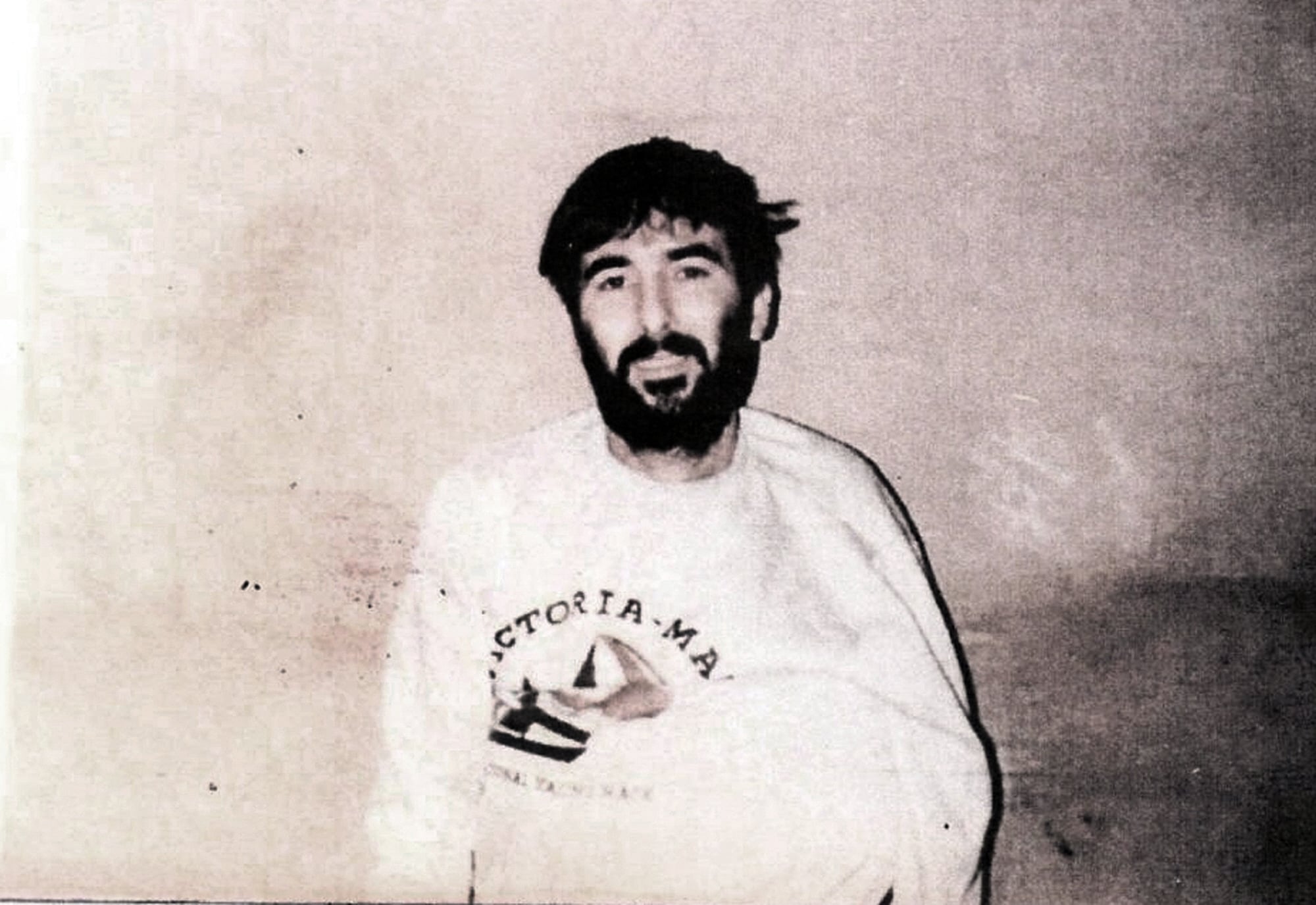
A handout photo from Israeli television made available on July 13, 2008, shows a photograph of Ron Arad, an Israeli Air Force navigator who was captured after his fighter jet was shot down in Lebanon in 1986. (HO / AFP)
Several signs of life were received in the first two years of his incarceration, including photos and letters, the last of which was sent on May 5, 1988.
He has been presumed dead since the mid-1990s, although intelligence reports have differed as to the circumstances, timing and location of his death.
Arad was allegedly held in the Nabi Chit area following his disappearance, and Israel has conducted searches in the area in the past in efforts to locate his remains.
Lebanese authorities also reported that in December, a retired Lebanese security officer from Nabi Chit who had ties to Arad’s capture disappeared.
The military said Saturday that it would “continue to operate tirelessly, day and night, out of a deep commitment to bringing all our sons, the fallen and the missing, back home to Israel.” Three soldiers are considered missing by the IDF — Maj. Arad, Staff Sgt. Guy Hever and Sgt. First Class Yehuda Katz.
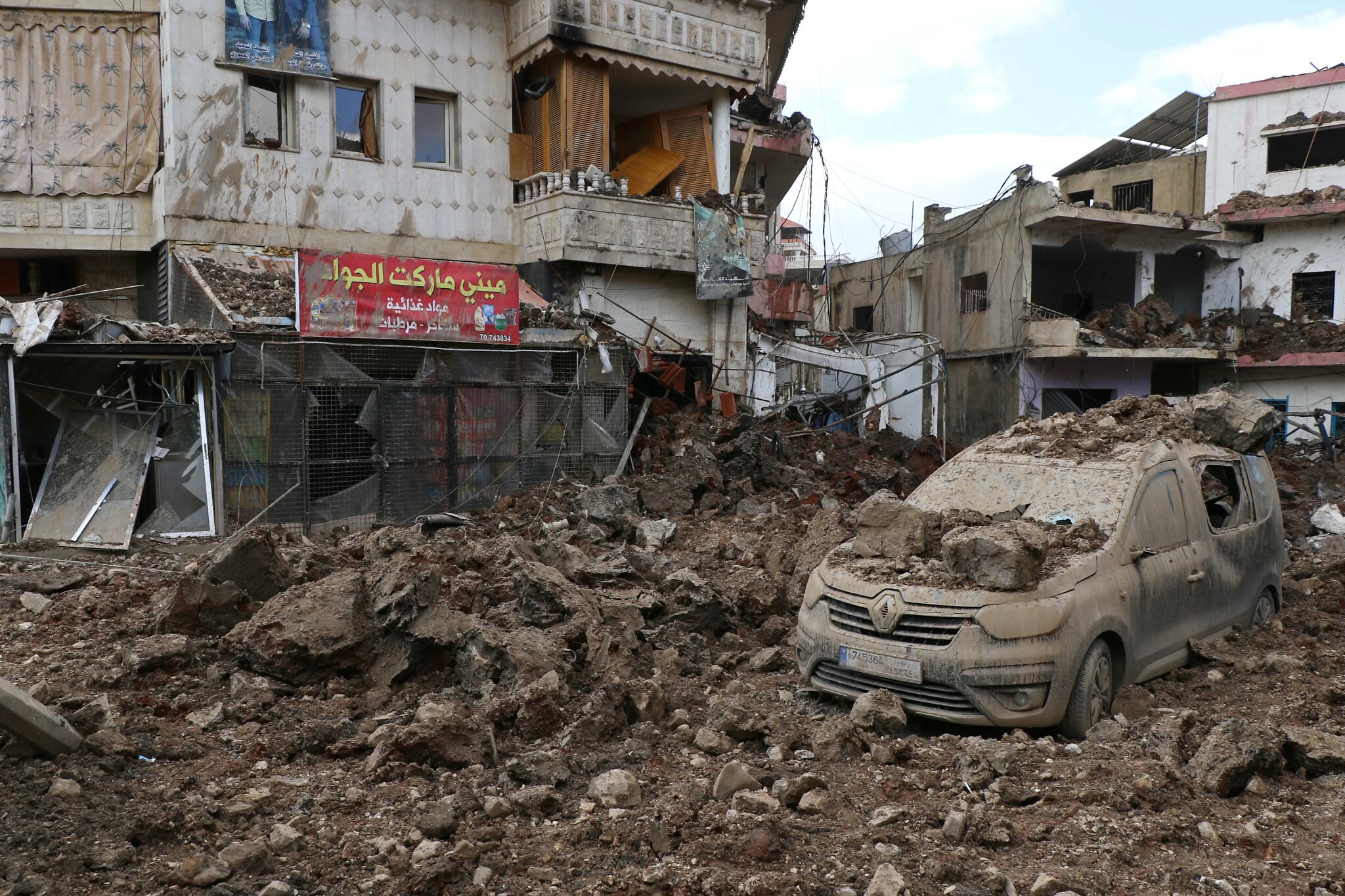
This photograph taken during a media tour organised by the Hezbollah shows destruction at Nabi Chit town after an Israeli military operation in the Bekaa Valley of Lebanon, on March 7, 2026. (Photo by Nidal SOLH / AFP)
The Saturday raid was the deepest Israeli forces have reached inside Lebanon since special unit troops apprehended Hezbollah operative Imad Amhaz from the northern city of Batroun in November 2024.
The reported operation came as Israel carried out numerous strikes and deployed ground forces into Lebanon after Hezbollah fired missiles at Israel earlier this week, saying the attack was in retaliation for the killing of Iranian supreme leader Ali Khamenei.
Nabi Chit was also the target of at least 13 Israeli airstrikes on Friday, according to the NNA, with the Lebanese health ministry reporting at least nine people killed.
You appreciate our wartime journalism

You clearly find our careful reporting of the Iran war valuable, at a time when facts are often distorted and news coverage often lacks context.
Your support is essential to continue our work. We want to continue delivering the professional journalism you value, even as the demands on our newsroom have grown dramatically during this ongoing conflict.
So today, please consider joining our reader support group, The Times of Israel Community. For as little as $6 a month you’ll become our partners while enjoying The Times of Israel AD-FREE, as well as accessing exclusive content available only to Times of Israel Community members.
Thank you,
David Horovitz, Founding Editor of The Times of Israel