
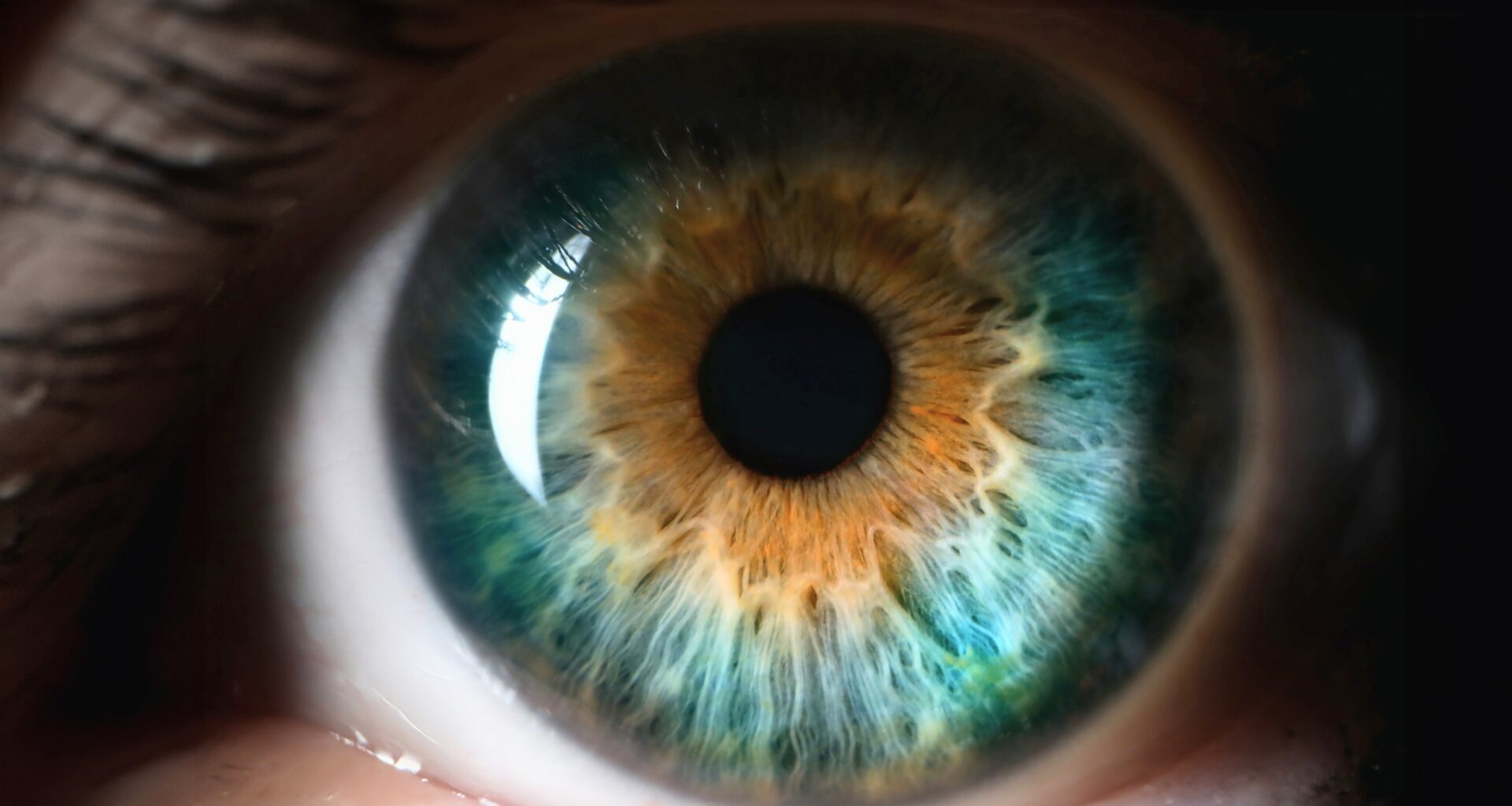
For people with advanced vision loss, losing the ability to read is often one of the hardest changes to accept. Everyday tasks – such as checking a phone number, reading a label, or recognizing a short word – can suddenly become impossible.
Now researchers have shown that a tiny wireless eye implant may help restore some of that lost central vision. In a clinical study, many blind older adults who received the implant regained enough clarity to recognize letters and short words.

While the device does not restore natural sight, it helped several participants read again after years of irreversible vision decline.
Patients gain back vision
After one year, participants gained an average of 25 letters on a standard eye chart, roughly equal to five lines of vision.
Dr. Jose-Alain Sahel at the University of Pittsburgh (Pitt) reported meaningful improvements in 26 of the 32 participants who completed follow-up testing.
The improvements also showed up outside the clinic. Twenty-seven participants used the artificial central vision at home, reading numbers or short words in daily life.
Still, the restored vision remained limited. It focused only on central detail and worked only when the implant system was active, meaning it could not fully replace natural sight.
When the retina breaks down
The device targets age-related macular degeneration, an eye disease that damages the center of the retina.
In this condition, photoreceptors – light-sensing cells that convert light into nerve signals – gradually die off. When those cells disappear, the brain stops receiving clear information from the center of the visual field.
During a late stage known as geographic atrophy, large patches of these cells die completely. The result is a permanent blank spot in the center of vision.
Magnifiers and visual training can help people work around the damage, but they cannot rebuild the missing photoreceptors.
A chip replaces lost cells
The implant attempts to solve that problem by replacing the lost light sensors with a tiny electronic chip.
The PRIMA implant, about 0.08 inches wide (2 millimeters), sits beneath the retina where photoreceptors once existed.
Each tiny pixel acts like a photovoltaic cell, using light to generate electricity. These electrical signals stimulate nearby retinal neurons, which then send visual information through the optic nerve to the brain.
Because the system relies on the retina’s remaining wiring, doctors must carefully screen patients to confirm enough inner retinal cells remain functional.
Glasses send images to the implant
The implant does not work alone. Participants wear specialized glasses that capture and project images to the chip.
A small camera on the glasses records what the wearer sees. That image is then transmitted to the implant using near-infrared light, allowing the system to operate wirelessly inside the eye.
Users can also adjust zoom and contrast settings on the glasses to improve readability.
Without the projected signal from the glasses, the implant remains inactive. That means daily use depends on wearing and powering the headset.
Complications doctors are watching
Implanting the chip requires delicate retinal surgery. Surgeons place the device beneath the retina and position it precisely inside the damaged central region.
In the safety data, 26 serious adverse events occurred in 19 participants, most within the first two months after surgery.
About 81 percent of complications appeared within the first two months, and 95 percent resolved within two months of treatment.
Researchers believe most of the issues were related to the surgical procedure rather than the implant itself. Future trials will likely involve stricter screening and careful follow-up to reduce risks.
Learning to see again
Even after the implant is activated, vision does not immediately feel natural. Participants worked with rehabilitation teams to learn how to interpret the new signals.
Practice sessions helped patients connect head movements and light patterns with shapes, lines, and eventually letters.
Peripheral vision usually remained unchanged after surgery. Patients therefore relied on their natural side vision to locate objects, while the implant provided central detail.
Because training takes time and commitment, the technology currently works best for people who are able to participate in regular rehabilitation.
Limitations of the retinal implants
Researchers measured progress using visual acuity, which reflects how well someone can see fine detail. Higher scores indicate a greater ability to distinguish small letters or shapes.
Even with improvement, the restored visual field remained narrow. Users often had to move their head to scan across text or objects.
For now, the technology cannot restore abilities such as face recognition or driving. Instead, its main benefit is helping patients perform specific tasks like reading numbers or short words.
Next steps for eye implants
The device was tested in the PRIMAvera clinical trial, which implanted 38 volunteers age 60 and older across 17 hospitals in five European countries. By the final follow-up, three participants had died, one withdrew, and two were unable to return for testing.
Because the trial did not include a sham-surgery comparison group, researchers say larger studies will be needed to confirm the results.
Following the trial, Science Corporation submitted an application for CE mark approval in Europe, which would allow the device to be used clinically.
In the United States, the company is also discussing possible approval pathways with the U.S. Food and Drug Administration (FDA).
Future studies will need to track whether the visual signal remains stable for years and how continuing retinal degeneration might affect performance.
Even if the device receives approval, access may depend on surgical capacity, specialized training, and rehabilitation programs.
Still, the results suggest that replacing dead photoreceptors with a light-powered chip could one day restore useful central vision for many people living with severe retinal disease.
The study is published in the New England Journal of Medicine.
—–
Like what you read? Subscribe to our newsletter for engaging articles, exclusive content, and the latest updates.
Check us out on EarthSnap, a free app brought to you by Eric Ralls and Earth.com.
—–