
After spending this week ranking classic rock albums of the ’60s, I realized that just scratching the surface wasn’t enough. To truly uncover which records still have a pulse in 2026, I had to go back to the source, re-listening to every crackle and pop to determine which ones actually matter. This turned into a classic rock deep dive through the DNA of the decade that changed everything.
This project follows my previous deep dives into the most important classic rock albums of all time and my definitive ranking of the best classic rock albums of the ’70s. But the ‘60s are a different beast entirely. From the modern rock revolutions to the birth of heavy metal, these are the 10 albums that survived long past the era from which they were born.
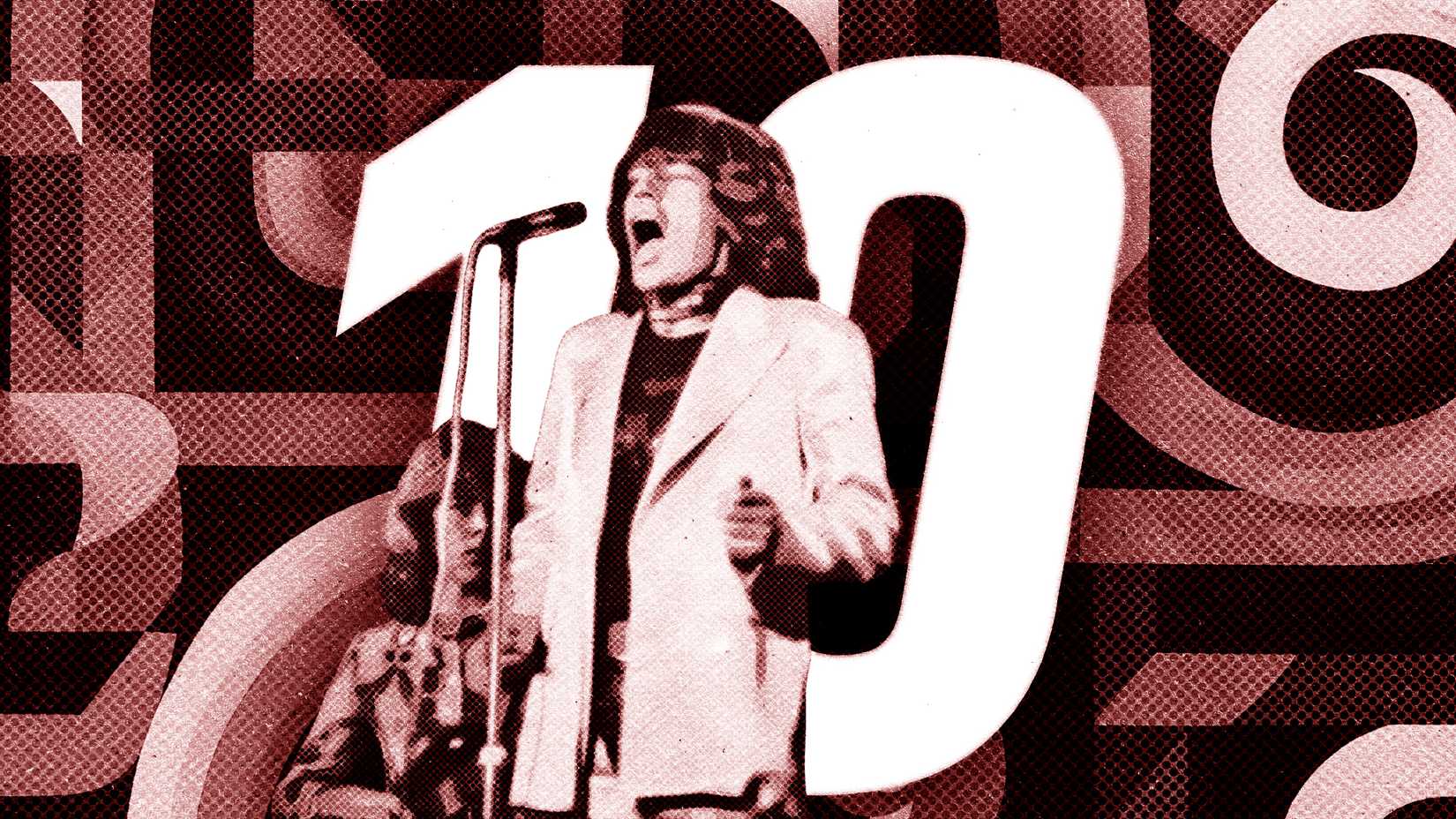
Beggars Banquet – The Rolling Stones (1968)
Joe O’Shea
After a brief, weird detour into psychedelia, the The Rolling Stones returned to the mud. Beggars Banquet is the sound of a band rediscovering their soul, blending country, blues, and Rock into something wonderfully dirty. From the shamanic groove of “Sympathy for the Devil” to the street-fighting energy of “Street Fighting Man,” this is the Stones at their most primal. It’s a record that smells like bourbon and revolution.
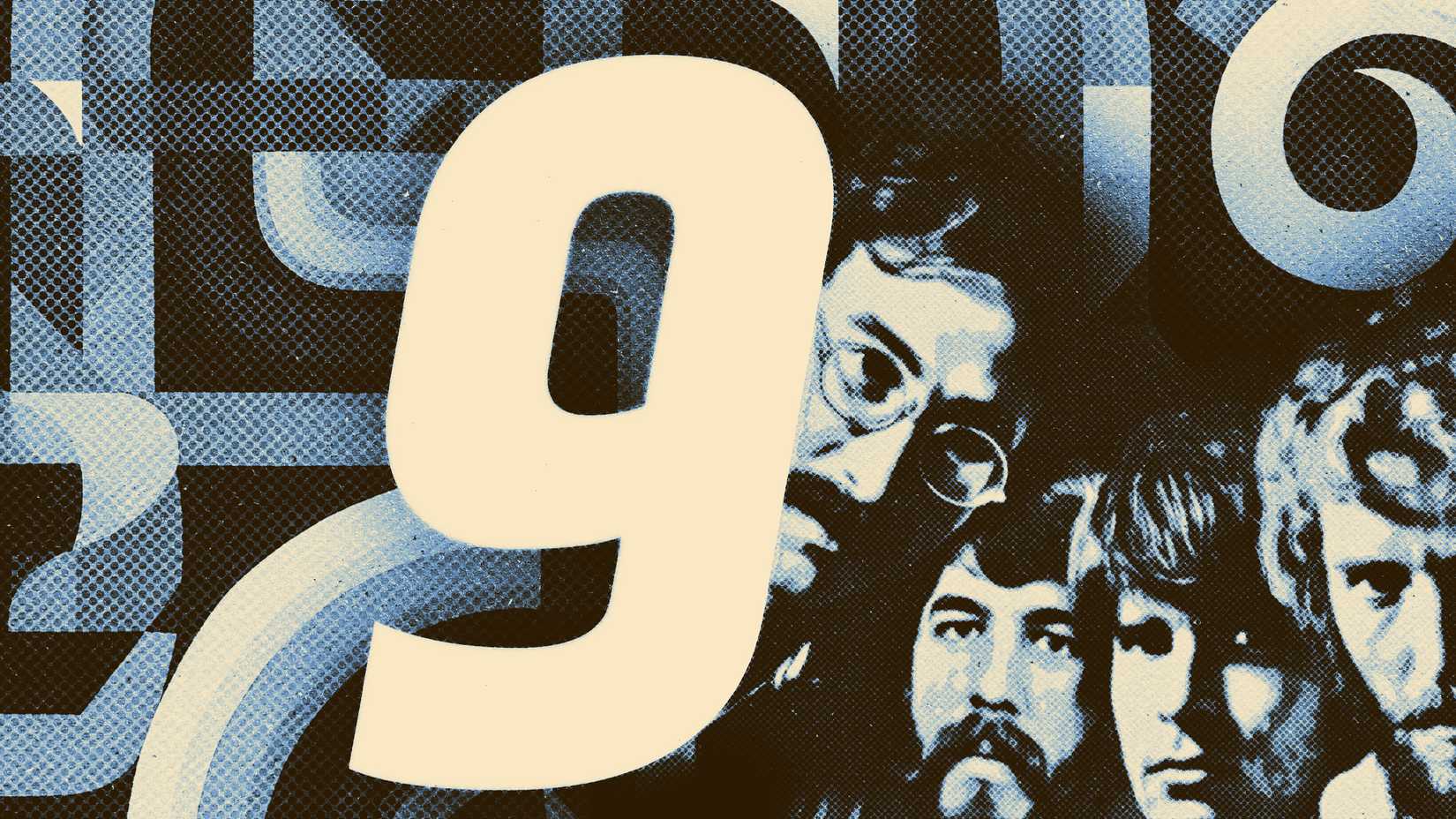
Green River — Creedence Clearwater Revival (1969)
Joe O’Shea
The only thing John Fogerty needed was a tight rhythm section and a “chooglin'” beat. Green River is the peak of CCR’s “Swamp Rock” mythology, delivered with a lean, no-nonsense grit that felt remarkably grounded compared to the era’s burgeoning prog-rock. With the haunting “Bad Moon Rising” and the title track’s iconic opening riff, this record proved that you could be the most successful hit-makers in the world while still sounding like you were playing for drinks in a Bayou dive bar.
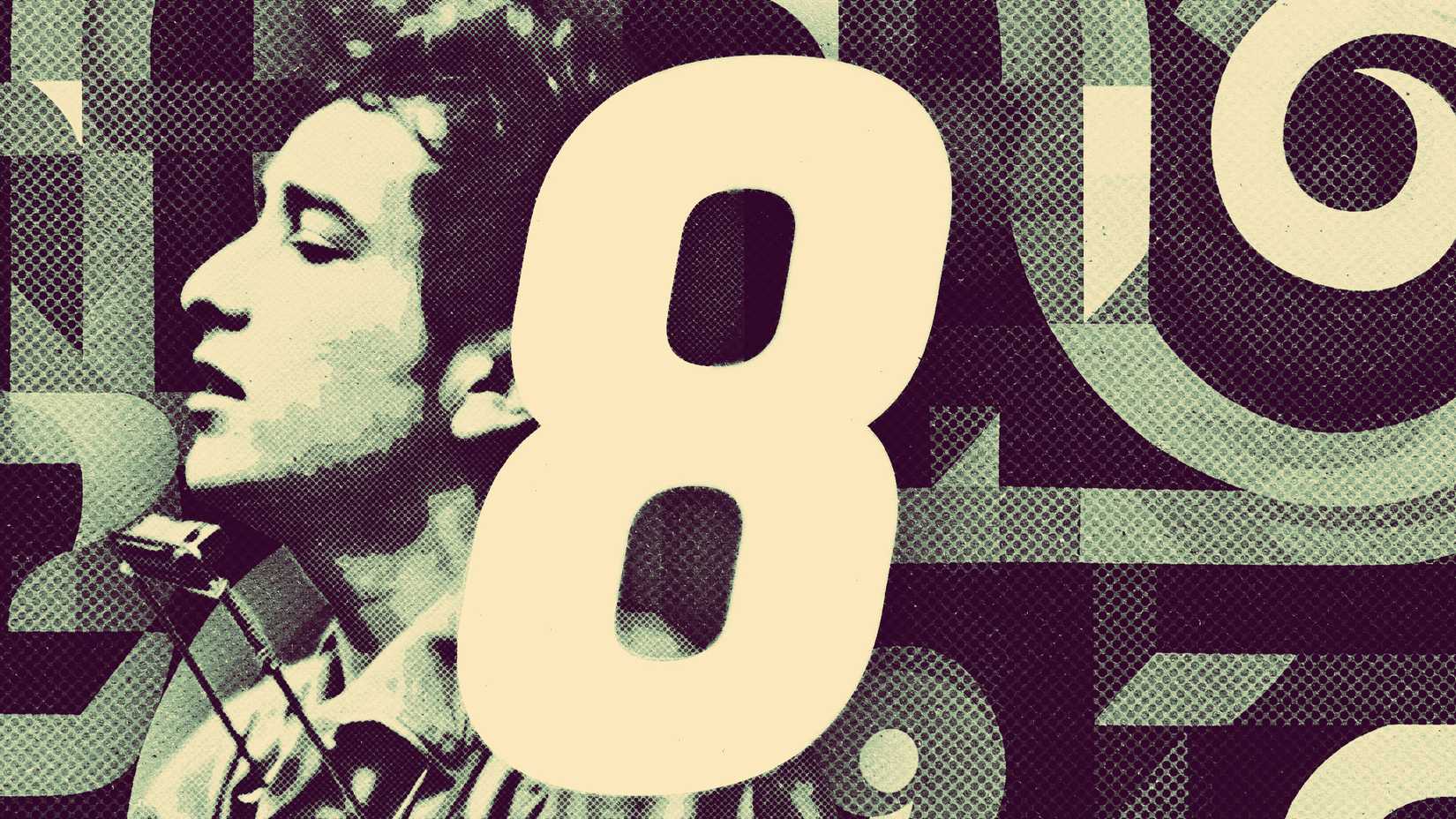
Highway 61 Revisited — Bob Dylan (1965)
Joe O’Shea
Rock lyricism leveled up overnight when Bob Dylan went electric. With the opening snare shot of “Like a Rolling Stone,” the barriers between poetry and the jukebox were permanently demolished. Dylan’s sneering, surrealist narratives challenged the listener to keep up. It’s a wild, sprawling record that helped to prove that a perfect voice was not required to change the world; you just needed the truth and a very loud band.
Led Zeppelin — Led Zeppelin (1969)
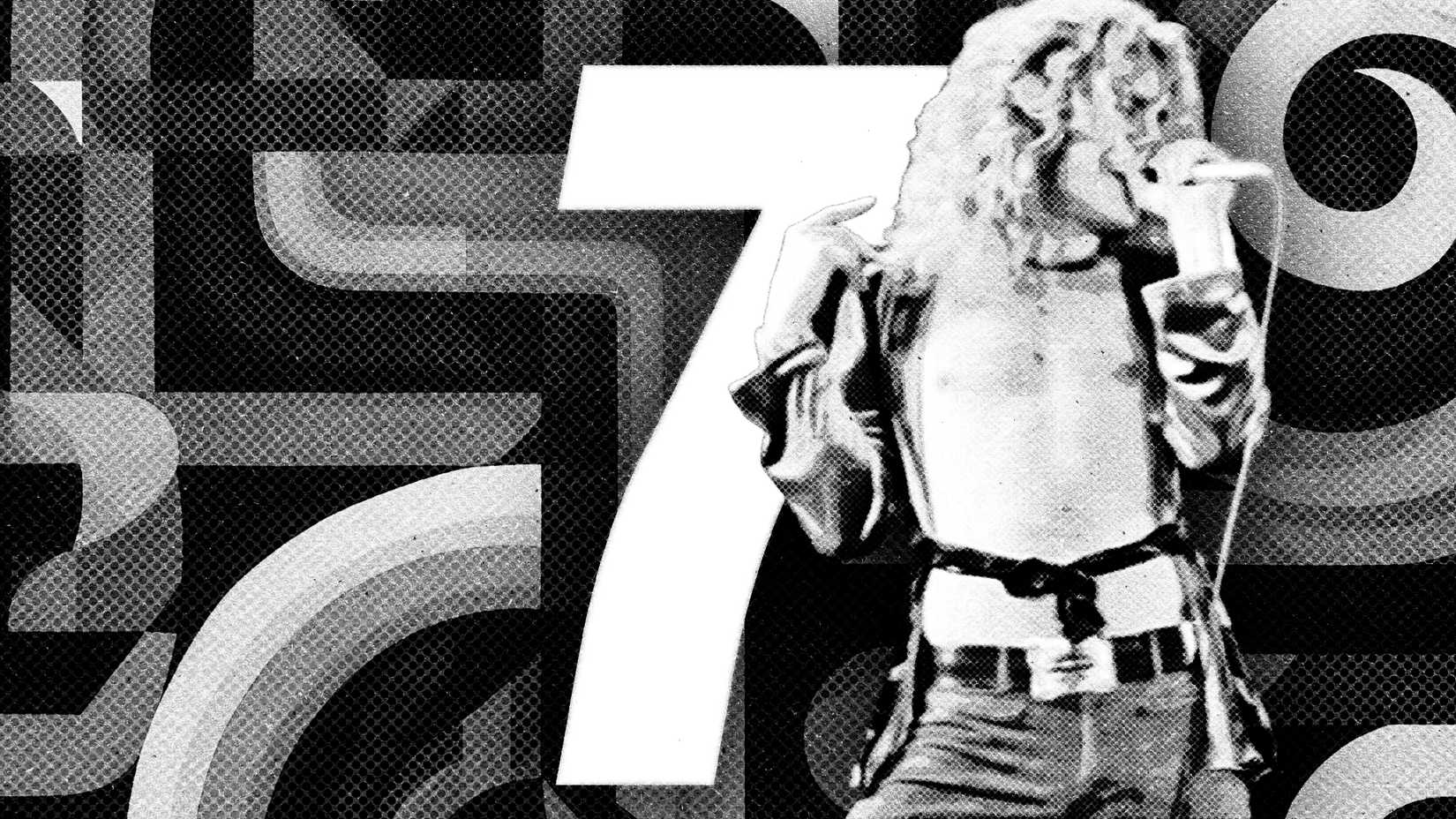
Joe O’Shea
The 1970s actually began in 1969 when Jimmy Page unleashed Led Zeppelin. Taking the heavy blues of the late ’60s and cranking the volume to an 11, the band created a blueprint for the stadium rock era. Robert Plant’s banshee wail and John Bonham’s thunderous drums redefined what a rhythm section could do. It was the birth of a new kind of power—one that was rooted in the past but aimed directly at the future.
Abbey Road — The Beatles (1969)
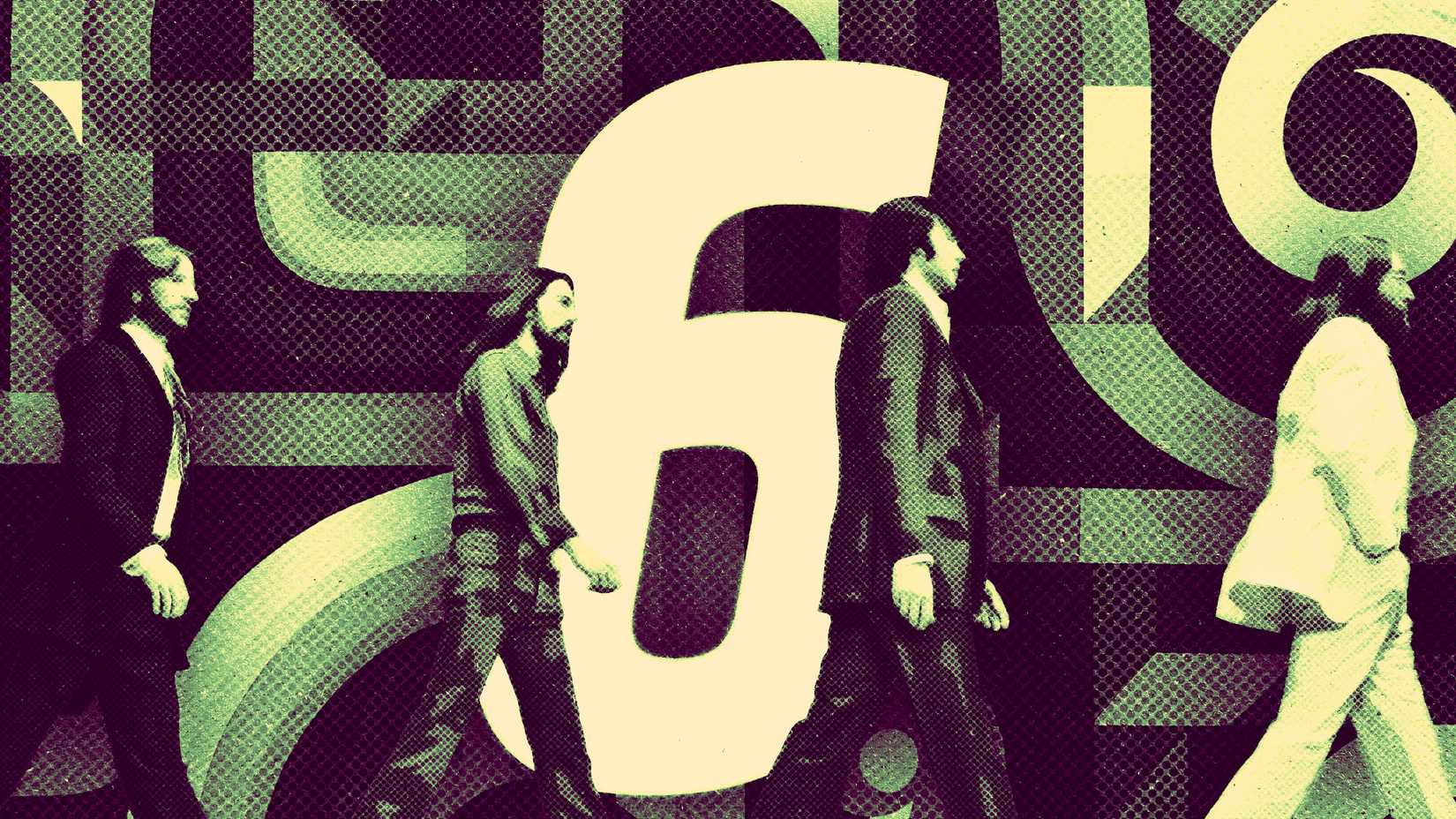
Joe O’Shea
Studio craft perfected. Though it was recorded as the band was falling apart, Abbey Road sounds like a seamless, four-headed statement of genius. The Side B medley remains the high-water mark for album-oriented rock. From the heavy groove of “Come Together” to the sun-drenched “Here Comes the Sun,” it is a record of immense warmth and technical brilliance. It was a perfect, polished goodbye to the decade they helped define.
Bookends — Simon & Garfunkel (1968)
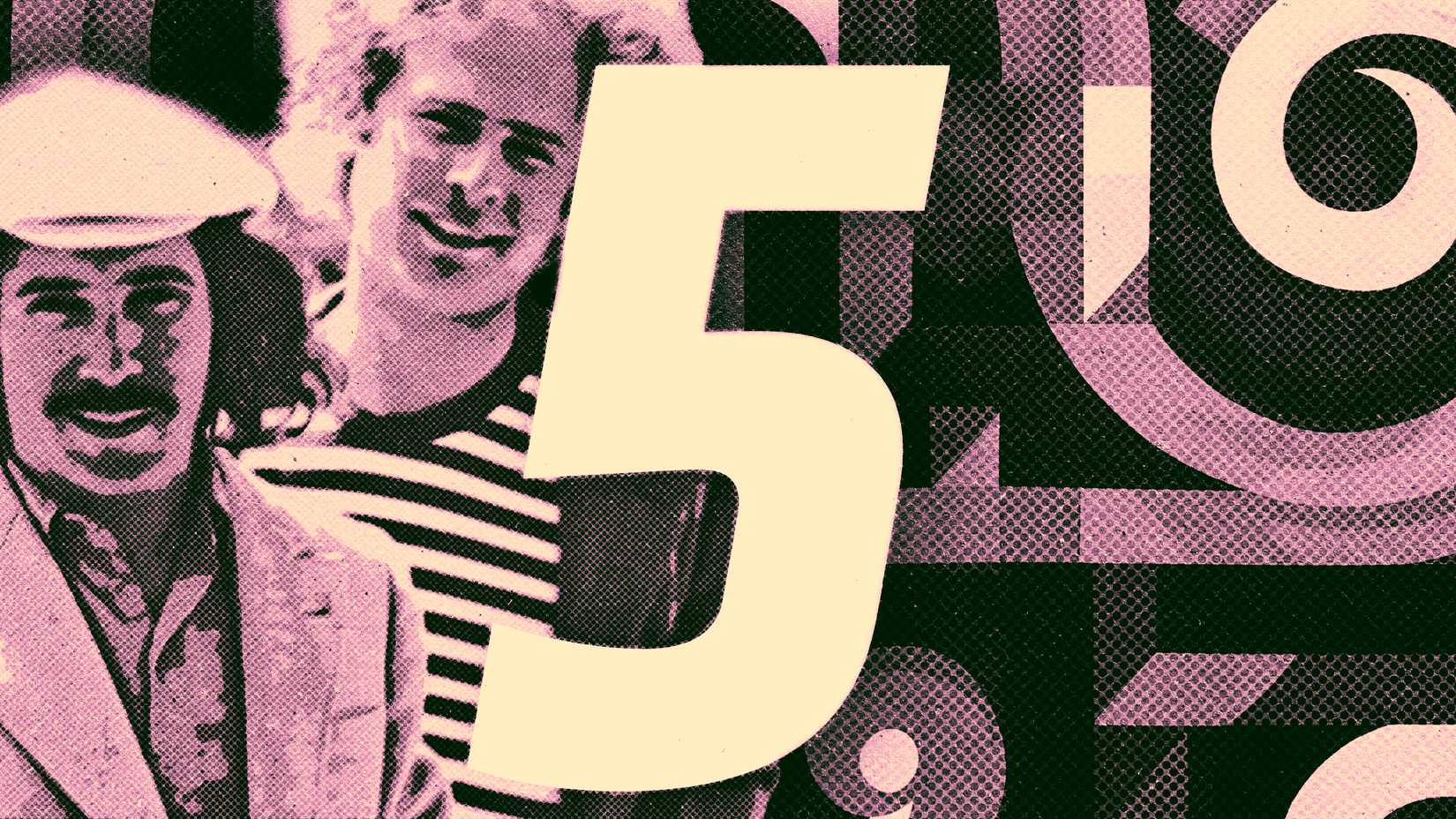
Joe O’Shea
While the summer of ’68 was defined by political upheaval, Paul Simon was busy capturing the quiet, internal fracturing of the American dream. Bookends is a masterpiece of pacing, moving from the jarring electronic textures of “Save the Life of My Child” to the quintessential nostalgia of “Mrs. Robinson.” It’s a conceptual triumph that explores the journey from youth to old age with a level of lyrical sophistication that few of their peers could touch.
It’s the sound of two voices in perfect harmony while the world around them began to pull apart.
Are You Experienced — The Jimi Hendrix Experience (1967)
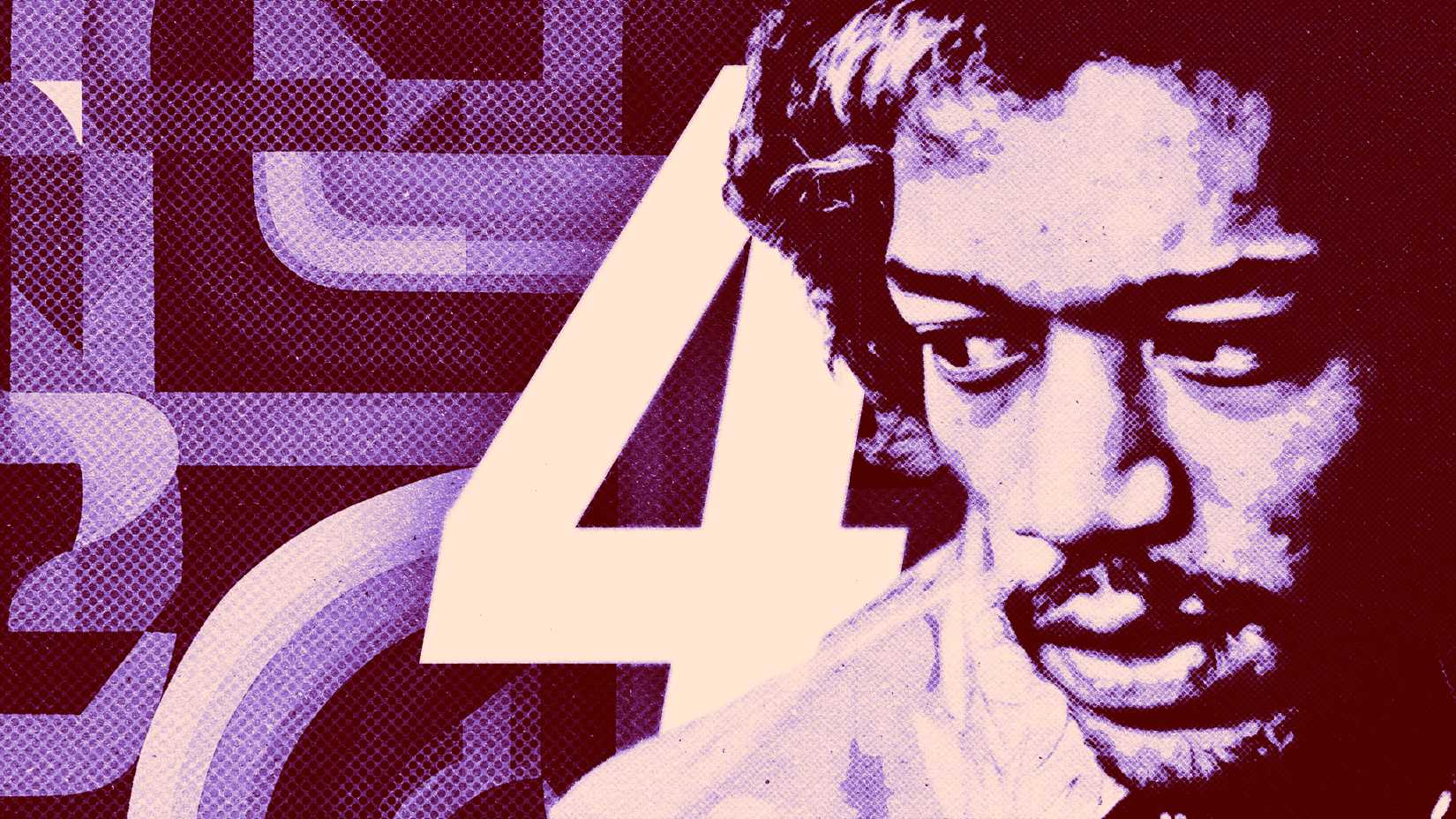
Joe O’Shea
Before Jimi Hendrix, the electric guitar was an instrument; after him, it was a weapon of mass distortion. This album introduced a virtuoso, and with it, a new vocabulary of sound. From the spatial experimentation of “Third Stone from the Sun” to the heavy psych-blues of “Purple Haze,” Hendrix proved that rock was no longer bound by the limits of the stage. It was the moment the 1960s truly turned technicolor.
Revolver — The Beatles (1966)
Joe O’Shea
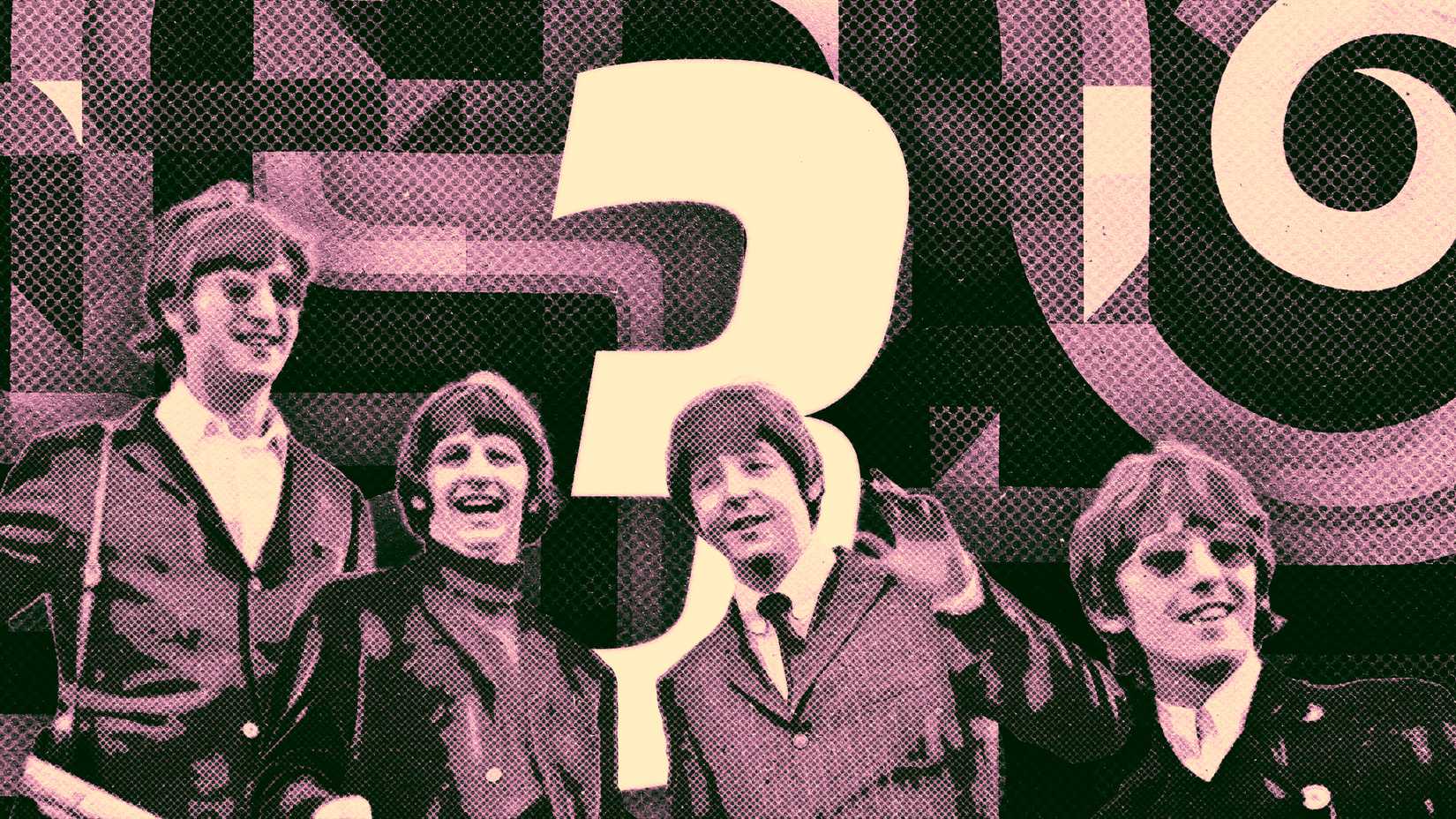
If Rubber Soul was the spark, Revolver was the explosion. This is the moment the recording studio became an instrument in its own right, utilizing tape loops, reverse guitars, and artificial double-tracking to create a sonic playground. Every track is a masterpiece of innovation, from the acidic “Taxman” to the proto-techno “Tomorrow Never Knows.” It’s an album that sounds as modern today as it did 60 years ago, proving The Beatles were always five steps ahead of everyone else.
Pet Sounds — The Beach Boys (1966)
Joe O’Shea
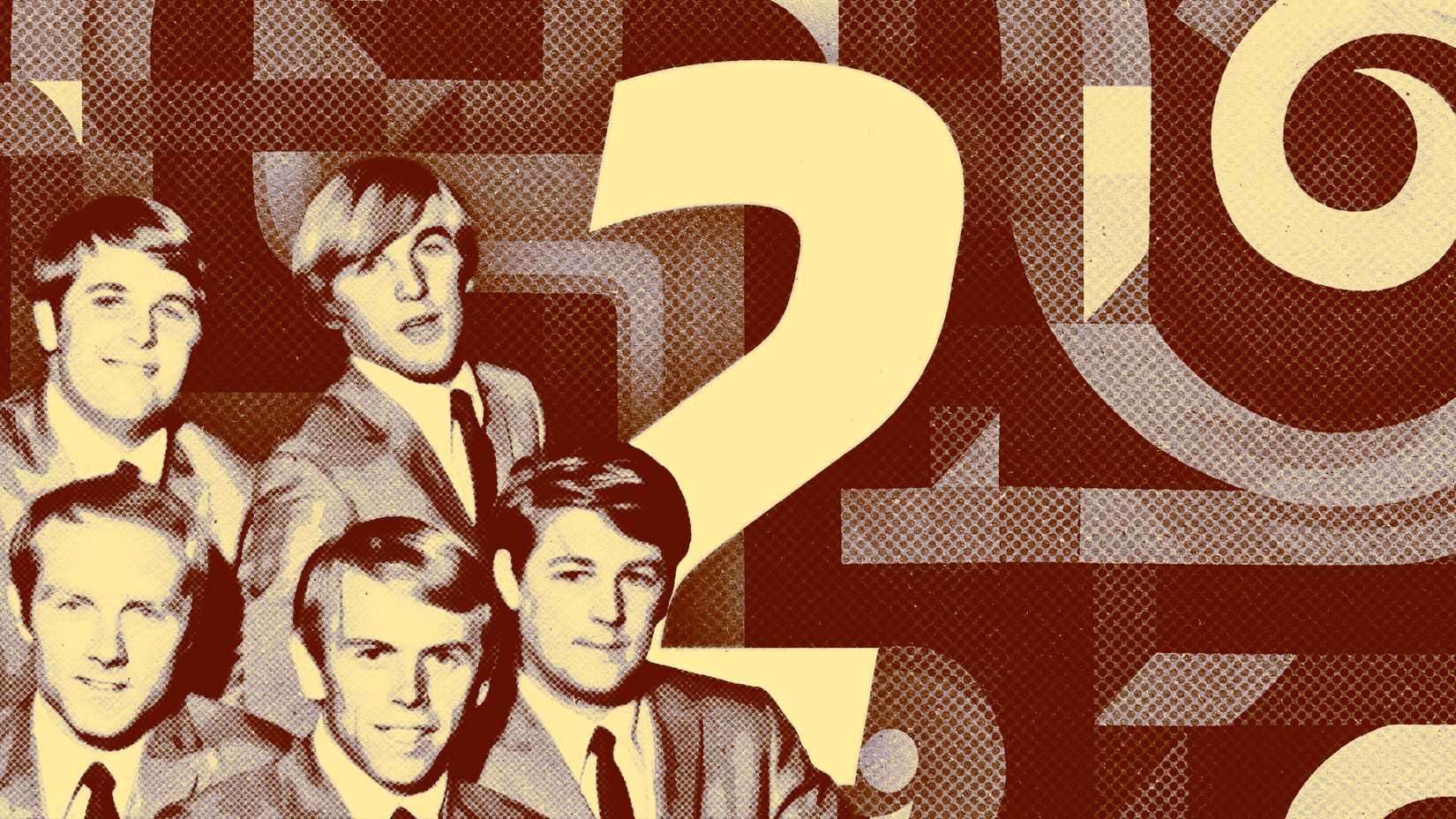
Brian Wilson’s orchestral ambition and emotional vulnerability changed pop forever. Trading surfboards for symphonies, Wilson created a lush, heartbreaking landscape of sound that pushed the limits of what a pop group could achieve. It’s an album about the end of innocence, anchored by the divine “God Only Knows.” Its influence on the Beatles was legendary, sparking a creative arms race that resulted in some of the greatest music ever recorded.