
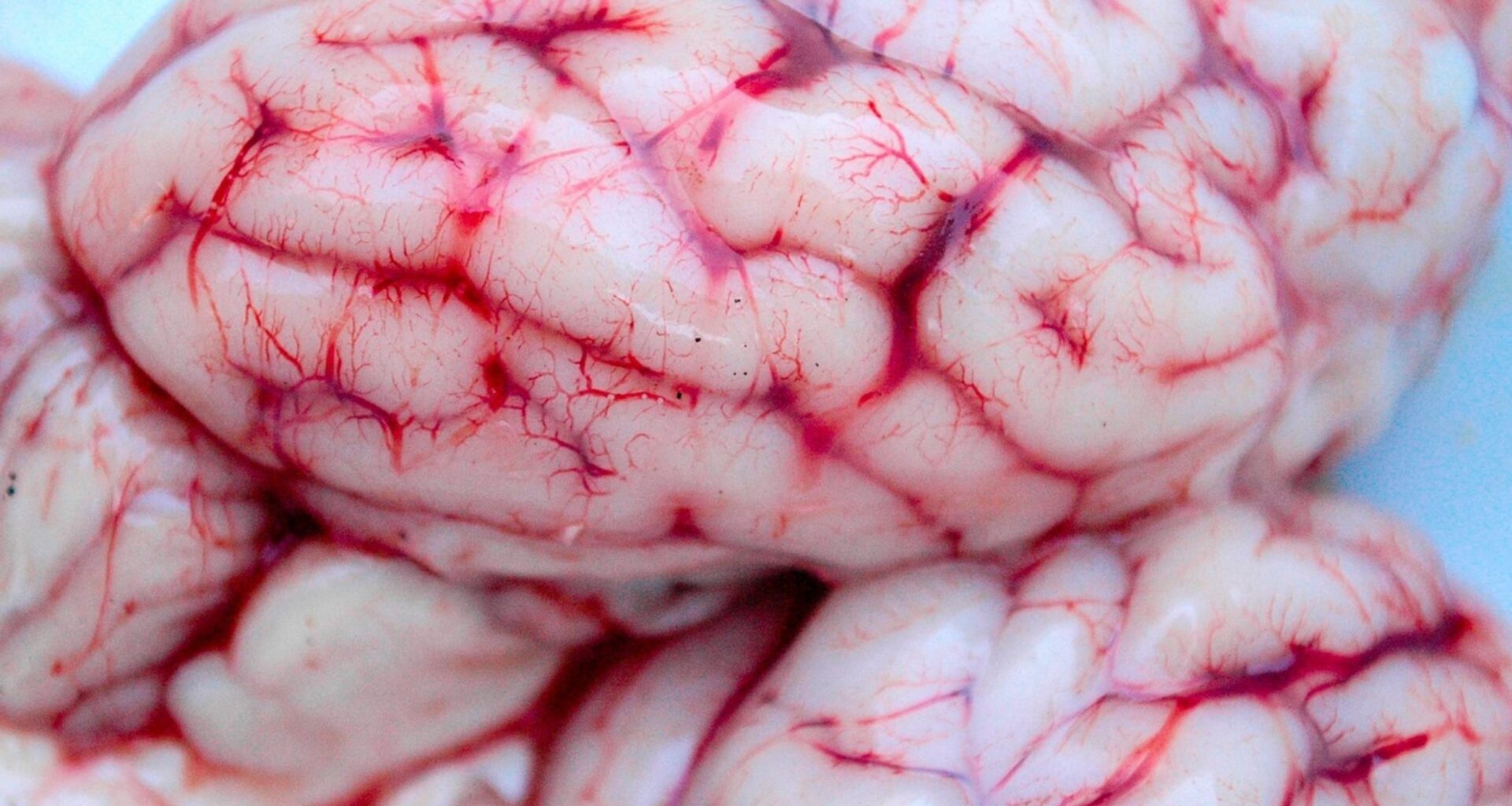
Scientists have traced thousands of fetal brain starter cells to the exact neurons and support cells they later produced.
The result turns brain development into a timed sequence, pinpointing when risk-linked genes and tumor-like growth programs can take hold.
Fetal brain cell timeline

In donated fetal cortex samples, a new atlas followed how each starter cell changed as weeks of pregnancy passed.
From those slices, Tomasz J. Nowakowski at the University of California, San Francisco (UCSF) mapped which cells gave rise to which others.
Alongside other teams, his group built Brain Cell Atlas Network (BICAN) so cell identity came with a timestamp.
Now the atlas makes one point clear: brain cells appear in overlapping waves, not in a single, orderly line.
Fetal brain cells arrive in waves
During pregnancy, gene expression – genes switching on to make proteins – rose and fell in overlapping bursts across many brain cells.
Changes in that activity rewrote a cell’s job description, so timing helped predict whether it made neurons or support cells.
Later in life, some of those early programs can reappear, which may help explain why adult disease sometimes echoes development.
That pattern means a cell label without its timing can hide the window when it is most vulnerable to change.
Tracing brain cell families
Inside one developing cortex atlas in BICAN, UCSF scientists tracked 6,402 starter cells and the later brain cells that each one produced.
By using lineage tracing – tracking descendants of one cell through multiple divisions – the team could match every branch to a cell type.
Midway through pregnancy, many starter cells stopped making mostly excitatory neurons and began producing inhibitory neurons and early myelin builders.
That turning point lines up with a busy time in brain wiring, so small disruptions can carry long effects.
Late neurons linger
Past mid-pregnancy, the cortex still produced excitatory neurons from truncated radial glia, stem-like cells that keep dividing late.
Some of those late-born neurons carried molecular markers that are normally seen much earlier, suggesting older programs stayed available.
In lab-grown tissue slices, some migrated into the subplate, a temporary layer that guides early wiring.
Because the experiments used tissue that was kept alive briefly, researchers still need proof that this happens the same way in utero.
When tumors copy development
Using 38 human neocortex samples, researchers compared cell programs from early pregnancy through adolescence directly.
By reading each cell’s transcriptome – a snapshot of genes currently active – the team watched identities change across developmental stages.
Mid-development, they found a starter cell that could generate inhibitory neurons plus two types of support cells that feed and insulate.
Many glioblastoma cells – an aggressive brain cancer that grows fast – looked similar to that starter cell in gene activity.
Mapping genetic risk
Instead of hitting every brain cell equally, many risk-linked DNA changes lined up with very specific cell types.
By overlaying DNA risk signals onto cell maps, teams could see when a vulnerable cell type first appeared.
For autism, one map pointed to second-trimester cortex neurons that connect brain areas, marking a narrower window than expected.
Such pinpointing cannot predict an individual child, but it can steer autism and schizophrenia research toward the stages that are worth protecting.
Chromatin marks vulnerability
During the first trimester, chromatin – DNA packaging that controls which genes can work – opened and closed across young brain cells.
Open stretches served as gene-control zones, giving each cell a list of genes it could use at that moment.
Linking those open regions to disease genetics, the authors highlighted mid-brain inhibitory neurons as especially tied to major depression risk.
Because the work focused on first-trimester tissue, later fetal stages still need the same level of detail.
Senses shape brain cells
In some BICAN experiments, tissue slices grew outside the body, so developing cells missed normal sensory and hormonal signals.
Missing those inputs can change a cell’s growth pace and identity, because the brain builds itself in response to conditions.
That dependence makes critical periods – windows when brains are extra sensitive to inputs – a central issue for any atlas.
Those windows can help explain why the same risk gene shows different effects, depending on when and where brain cells mature.
Funding builds the atlas
Behind the atlas, the Science Media Centre gathered expert reactions about why timing matters now.
Since 2013, the BRAIN Initiative has aimed to run through 2030 and has backed more than 550 labs with over $6 billion.
“These results demonstrate how sustained investment in the development and application of new methods is of fundamental importance to science and medicine,” said Prof. Rafael Yuste, professor of biological sciences and director of the Center for NeuroTechnology at Columbia University.
Even with rapid progress, BICAN will stay a draft until scientists connect these cell timelines to real-world outcomes.
What comes next
With time-stamped cell maps in hand, researchers can link early brain building steps to later circuits with far less guesswork.
Real value will come from testing these windows in living brains and using them to design safer, earlier interventions.
The study is published in Nature.
—–
Like what you read? Subscribe to our newsletter for engaging articles, exclusive content, and the latest updates.
Check us out on EarthSnap, a free app brought to you by Eric Ralls and Earth.com.
—–