
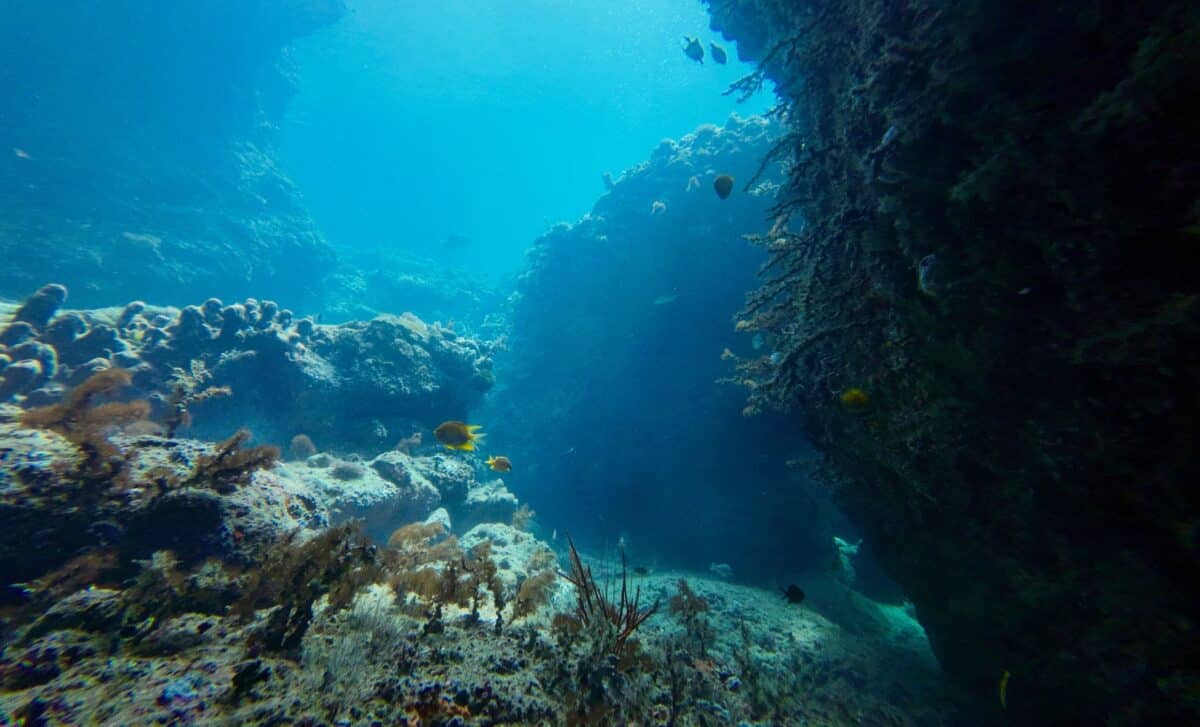
In the frigid depths of the Southern Ocean, a newly discovered creature is captivating researchers with its striking resemblance to a strawberry. Named Promachocrinus fragarius, or the strawberry feather star, this sea star boasts 10 to 20 arms and is described as “large” with colors ranging from purplish to dark reddish.
While its size is noted as “large,” the exact details remain elusive, and its true secrets, hidden in the Antarctic abyss, have yet to fully unfold. The discovery, reported in a study, is part of a long-term exploration into the hidden biodiversity of Antarctica’s ocean depths.
Meet the Strawberry Feather Star
The Promachocrinus fragarius, better known as the strawberry feather star, was uncovered during expeditions to the Southern Ocean, which has long been a mystery to marine scientists. The creature’s name comes from its striking appearance, which resembles the shape of a strawberry. It is part of the feather star family, a group known for their long, flexible arms. Researchers believe these stars can have either 10 or 20 arms, and though the exact size was not provided, the creature is described as “large.”
The strawberry feather star is not just notable for its appearance but also for its habitat. According to the report published in Invertebrate Systematics, the species is found at ocean depths ranging from 65 to 6,500 feet, far beneath the surface where few creatures are known to thrive. These unique conditions are thought to be a key driver of the Southern Ocean’s distinct biodiversity.
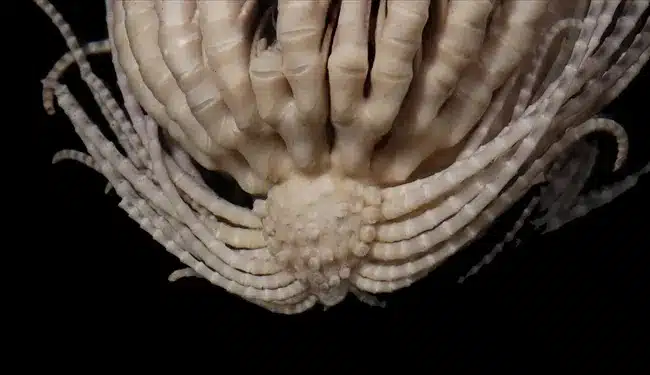 Detailed view of the Antarctic strawberry feather star’s unique head and arms. Credit: McLaughlin, Wilson and Rouse
A Focus on Cryptic Biodiversity
The discovery of the strawberry feather star is part of a larger research initiative aimed at exploring “cryptic biodiversity” in Antarctica. Cryptic biodiversity refers to species that are difficult to detect or identify due to their elusive nature or remote habitats. The scientists behind these expeditions spent nearly a decade conducting research in the Southern Ocean.
“An increasing number of Antarctic invertebrate taxa have been revealed as cryptic species complexes following DNA-based assessments,” wrote the authors.
They added that: “the Southern Ocean has unique environmental conditions that may drive biodiversity,” with its cold temperatures and extreme depths. Per the study, these conditions may foster unusual species capable of surviving in ways we can’t yet fully understand. The research team’s expeditions have so far identified four new species, signaling the incredible potential of the ocean floor to harbor biodiversity that has long remained hidden from the scientific community.
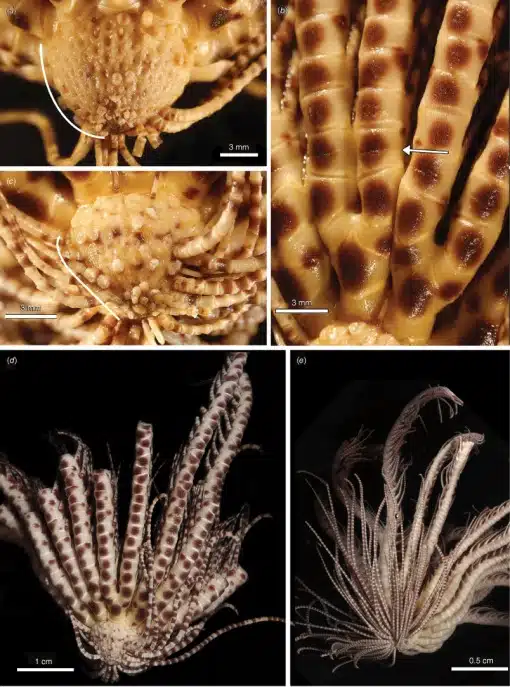 Detailed views of Promachocrinus fragarius, the strawberry feather star, showcasing its unique arm structure. Credit: BioOne
The Southern Ocean’s Rich, Untapped Potential
As per the research, this part of the world is key to understanding global biodiversity patterns and how life adapts to environmental changes.Greg Rouse, one of the study’s lead researchers, emphasized the potential of this research to inform broader ecological studies.
The biodiversity found in the Southern Ocean may provide essential information on how species will adapt to the challenges posed by climate change, especially as ocean temperatures increase.