
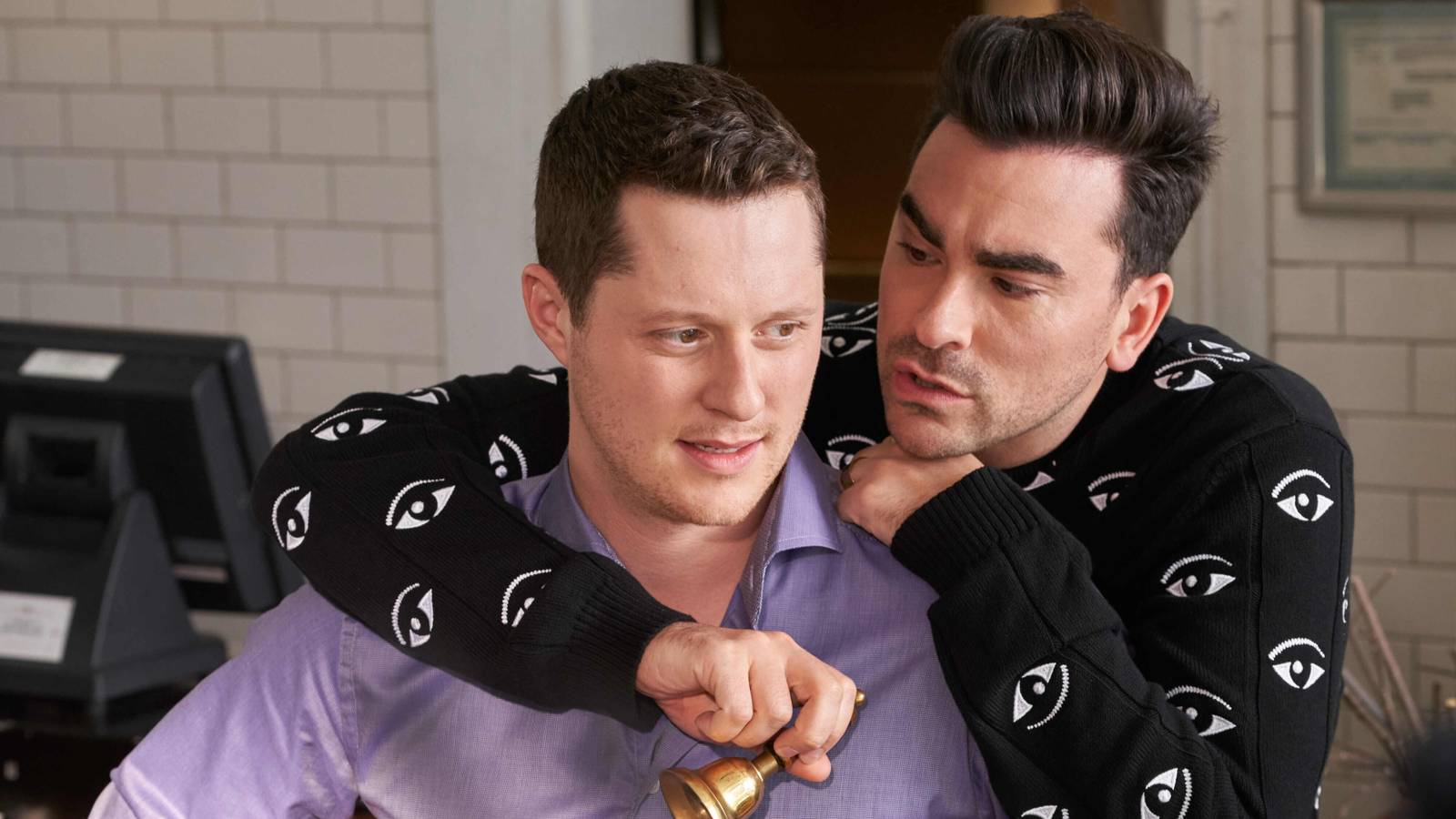
Generally speaking, there are too many options available in today’s TV landscape to watch shows that aren’t immediately compelling — but some slow burns shows are worth your time. In fact, some of TV’s greatest hits started out with a reputation for being slow, and the initial care they took in establishing their characters, world, and story proved to be exactly what earned them their masterpiece status.
Succession
2018-2023
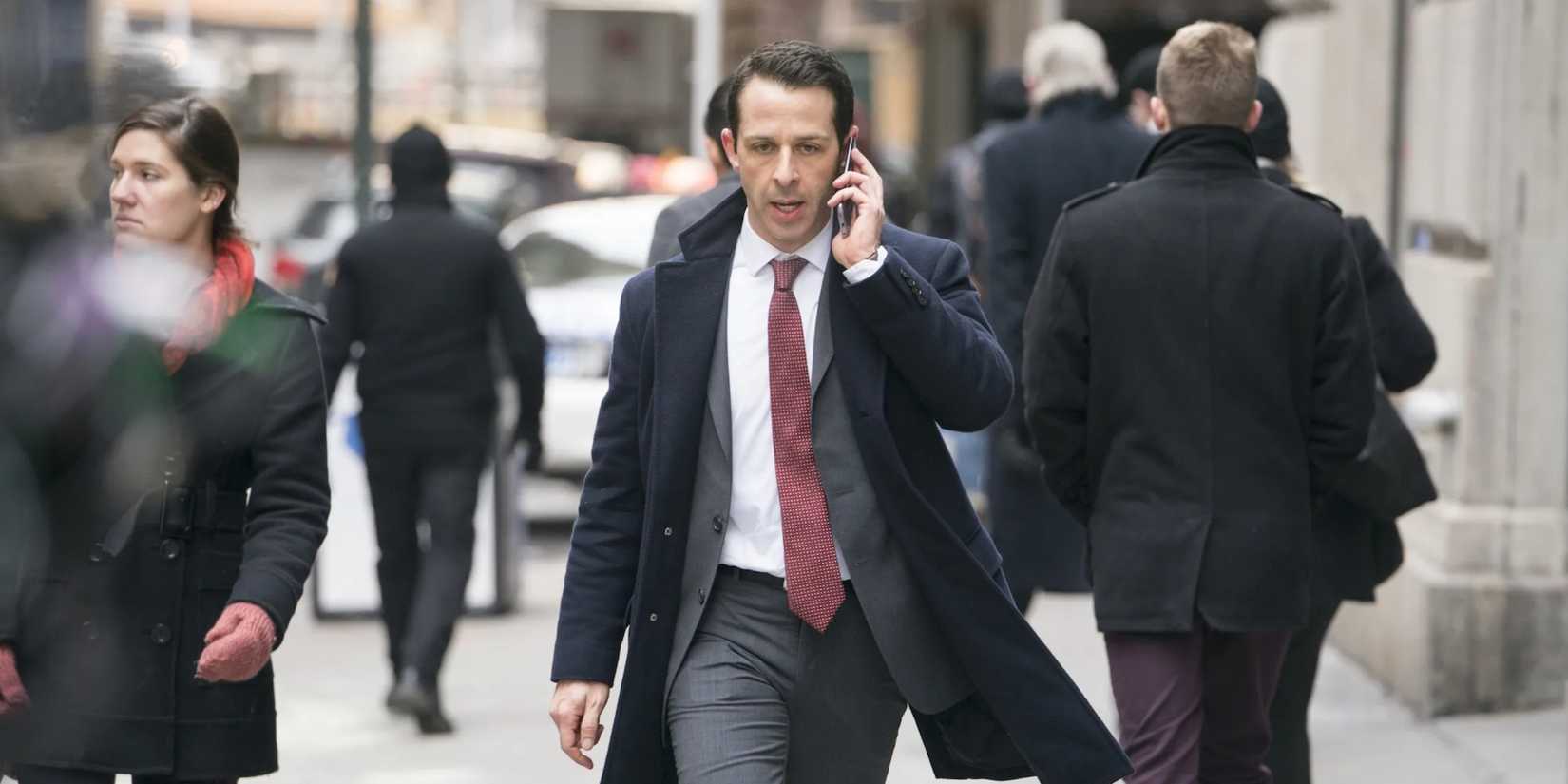
Kendall Roy (Jeremy Strong) on the phone in Succession season 1 Whose Side Are You On episode
Shows with prickly or unlikable characters often take the longest to get behind. At first, no one in the Roy family seems worth rooting for. But with time, they prove that they don’t have to be likable to be compelling. The inner workings of their lifestyle and family dynamic become fascinating, if not sympathetic — though Succession also has its share of unexpected heartfelt moments.
What makes Succession historic, though, is its dialogue. Feeling like a dark iteration of Aaron Sorkin’s trademark snappiness (with which Succession’s Jeremy Strong is well-versed), the show turns conversation into a spectacle. A high-stakes drama that somehow paves the way for lines like, “You don’t hear much about syphilis these days. Very much the MySpace of STDs,” is sure to stand the test of time.
Parks And Recreation
2009-2015
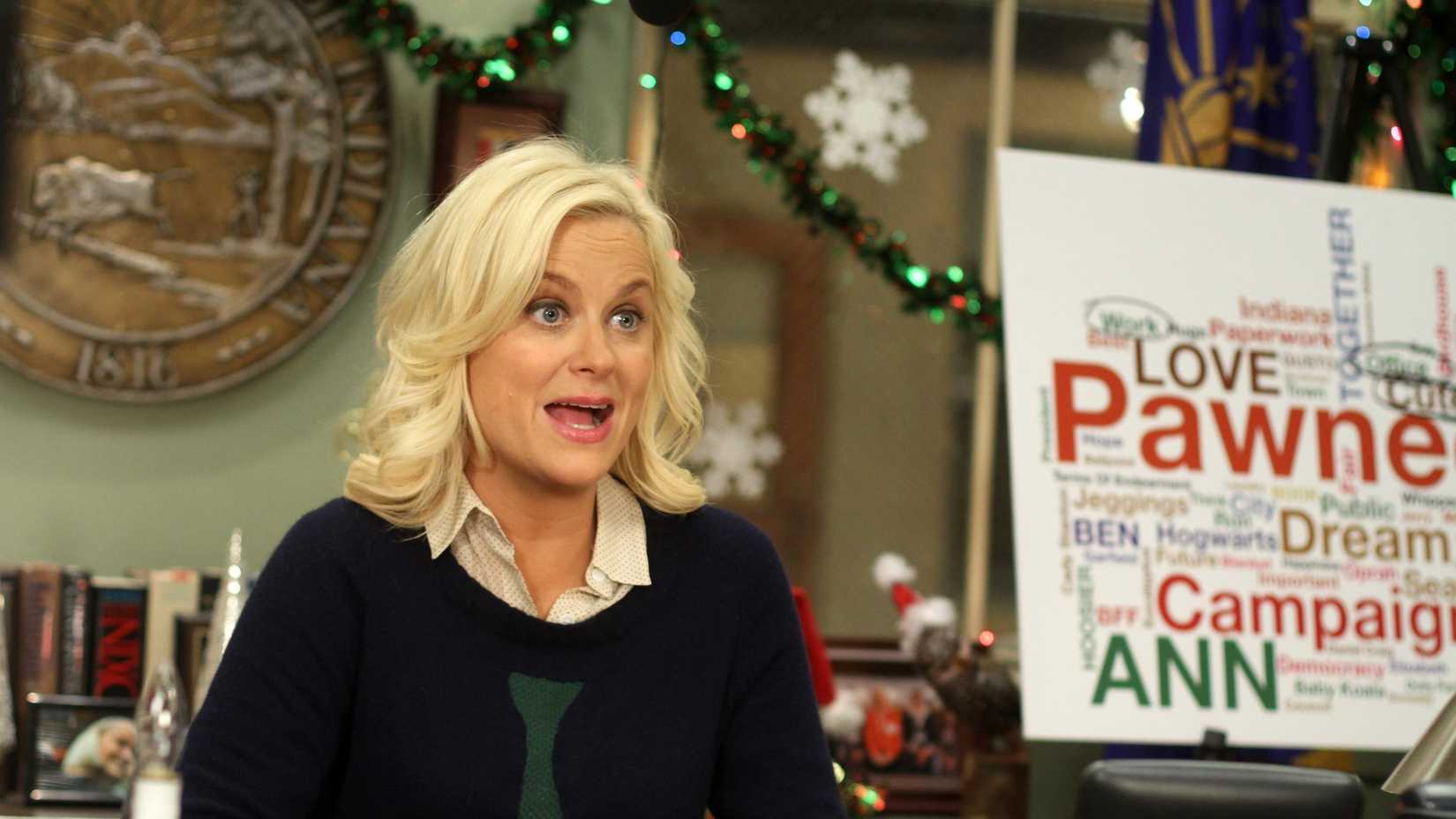
Amy Poehler as Leslie Knope in a Parks and Recreation Christmas episode
Parks and Rec deserves a lot of credit for recognizing the flaws in its short-lived first season, and promptly course-correcting. Parks and Rec season 1 felt very much like a re-imagined version of its predecessor, The Office. It shared The Office’s cynicism, which in this environment felt out of place. Leslie Knope was a kindred spirit to Michael Scott, and the jaded Mark Brendanawicz had a large role.
In a government setting, especially one so community-focused, The Office’s cynical sensibility felt less welcome. Ultimately, Parks and Rec realized this. Season 1 was only six episodes, after which Leslie gains a notable amount of self-awareness without losing her optimism, and Mark is written out, his energy replaced by the more goofy and endearing, while still straight-faced, Ron Swanson and April Ludgate.
The show goes on to become something wholly itself, and is all the better for it. It’s a display of optimism, community, and hard work that rewards viewers willing to forgive its misguided first season.
The Handmaid’s Tale
2017-2025
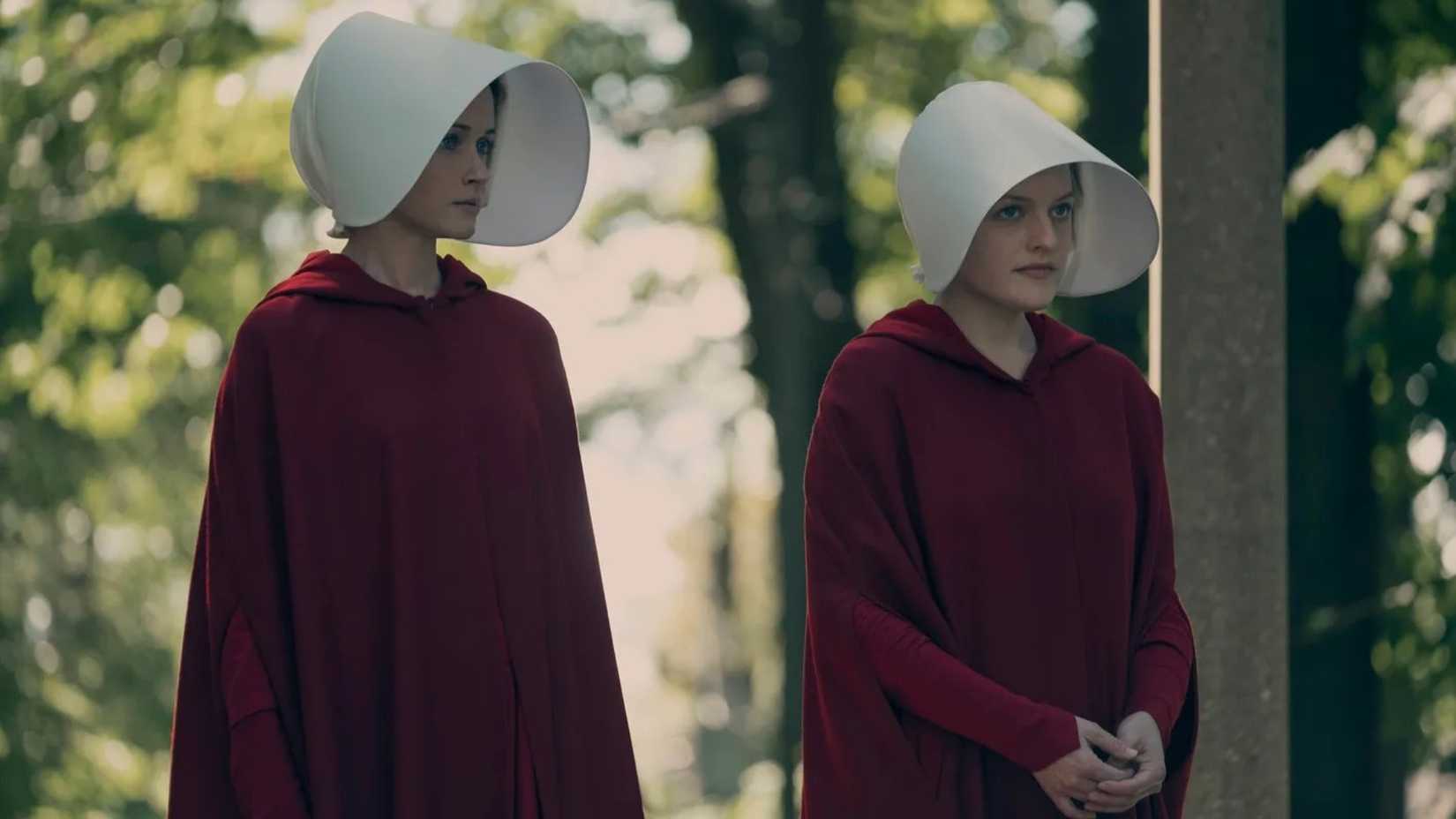
Two women in red robes and white head covers in Margaret Atwood’s The Handmaid’s Tale.
Season 1 of The Handmaid’s Tale is slow in a literal sense, though it was never without quality. Later seasons of the show became synonymous with exciting, large-scale rebellion and heist-like sequences that won’t be found in the show’s beginning, and this is because The Handmaid’s Tale knew it had to earn those payoffs.
The first season strikes a similar chord to the Margaret Atwood novel on which it’s based: somber, quiet, delivering the horrors of its world through atmosphere rather than action. The Handmaid’s Tale’s early episodes are truly haunting, which is exactly what makes June’s later disruption so satisfying. The show took its time in establishing Gilead, allowing there to be no doubt about the need for it to be overthrown.
Bates Motel
2013-2017
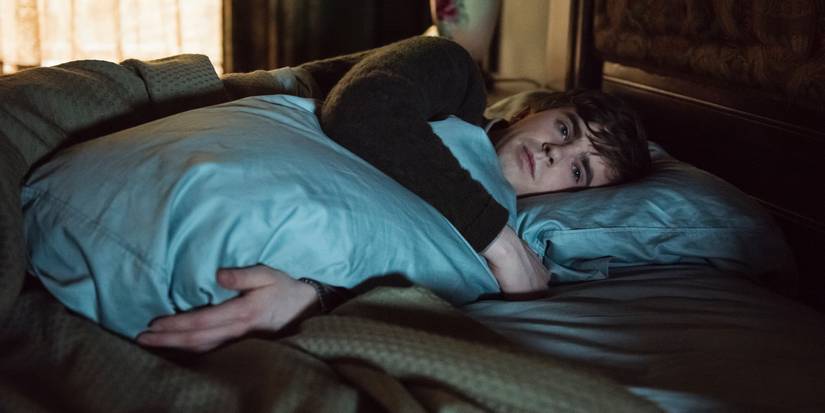
Freddie Highmore as Norman Bates in Bates Motel lying in bed looking thoughtful
The slow burn is essential to Norman Bates’ chilling devolution in this modern-day prequel to Psycho. In the beginning, Norman seems likable and normal for so long that viewers start to wonder if the series is taking a different approach to the character altogether. While this could be a turnoff for anyone expecting instant psychological thriller action, Bates Motel does indeed deliver on Psycho’s promise.
As the series progresses, Norman’s mental state begins to snowball. He becomes an increasingly unreliable narrator, creating an eerie confusion as to what is really going on and who’s at fault. It happens slowly, then all at once, and it achieves its twisty psychological payoff purely because of the trust Norman built throughout Bates Motel’s “slower” early episodes.
Atlanta
2016-2022
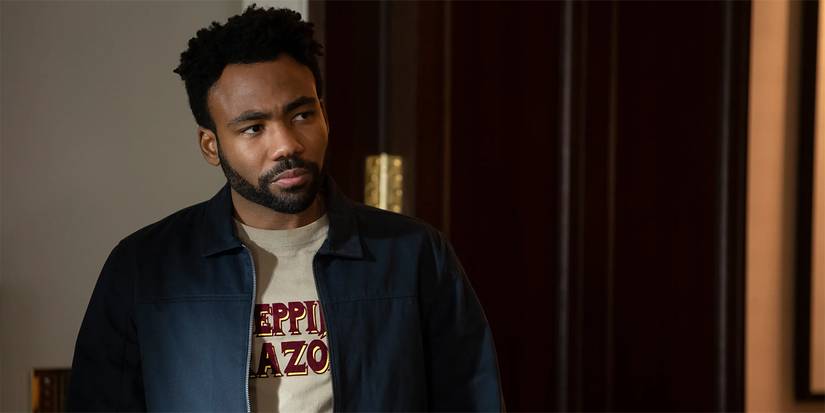
Donald Glover as Earn in Atlanta
There is no precedent for Atlanta, so it takes a few episodes to get the full picture of what the show really is, and for creator and star Donald Glover to hit his stride in executing it. Most of the time, Atlanta is a poignant comedy about Alfred “Paper Boi” Miles (Brian Tyree Henry), an up-and-coming Atlanta rapper, and his less commanding manager and cousin, Earnest “Earn” Marks (Glover).
But in actuality, Atlanta is a sandbox for strange and memorable stories that all tie back into ideas surrounding race. As the show solidifies its tone and audience, it dives more and more into bottle episodes, like the famous “Teddy Perkins,” that take a complete detour from the main plot. Later still, Atlanta broaches episodes completely devoid of the main cast, often bearing more resemblance to Black Mirror.
The more Atlanta leans into its unique tone and storytelling structure and allows its overarching themes to tie the unconventional episodes together, the better it gets. While the show may at first feel like something you’ve seen before, it’s sure to be anything but.
The Good Place
2016-2020

Tahani, Jason, Janet, Eleanor, and Chidi in the sitcom The Good Place.
The Good Place waits a shockingly long time to introduce a core element of its plot. Without giving it away, the show is famous for the plot twist that comes at the end of season 1, and if nothing else, it deserves kudos for its bravery in waiting that long to do it. The Good Place has an overly cheesy look and feel, especially before that twist, but its ultimate conclusion proves to be surprisingly earnest.
The spectacle of the Good Place and its oddities (like Janet), paired with the show’s blatant philosophical ruminations, may distract from the genuine chemistry that builds between Chidi and Eleanor from day one. For all its quirkiness, The Good Place is a love story that lands and a poignant thought exercise on the idea of eternity.
Better Call Saul
2015-2022
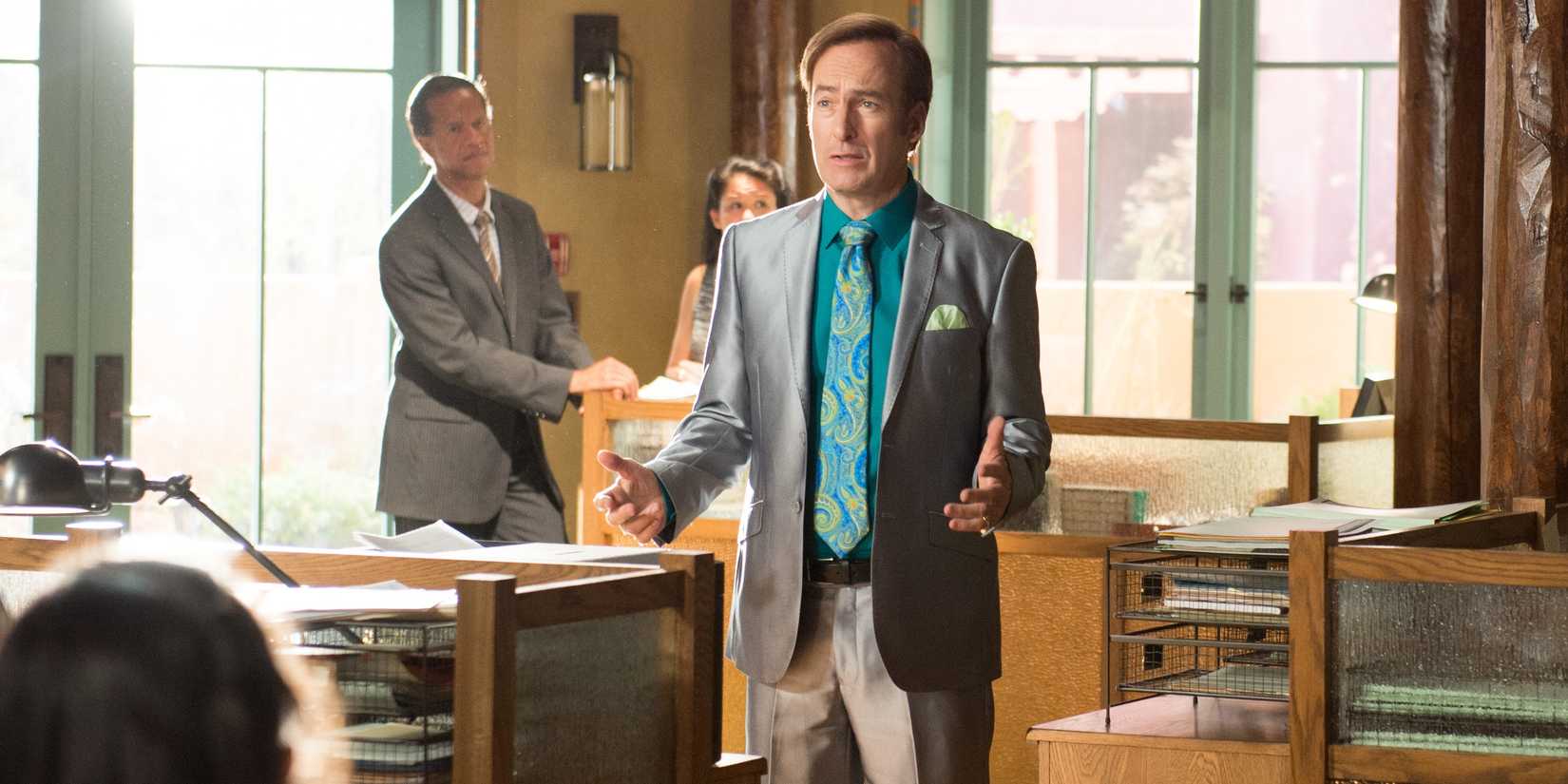
Jimmy pleading in Better Call Saul
Better Call Saul is remarkable because its story, from the pilot, is building to a climax that is six years in the making. The show is, in large part, devoid of much of the spectacle of Breaking Bad. Where Walter White robs trains and dissolves dead bodies, Jimmy McGill is in law firm mailrooms and sleepy 2000s-era tech stores, pulling what are essentially small-scale pranks.
But those pranks escalate to a frankly stunning degree, and all the while, a criminal story unfolds parallel to Jimmy and Kim’s troublemaking. In season 6, those two stories intersect in a moment that truly takes the air out of the room. It becomes clear that the entire show was playing a long game, building to this one scene, and it lives up to its meticulous planning — much like the works of Jimmy and Kim.
Schitt’s Creek
2015-2020
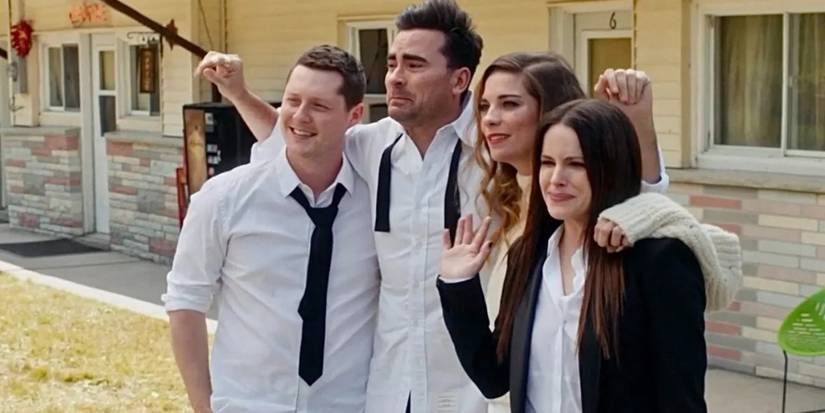
Characters put their arms around each other, cry, and wave goodbye in the finale of Schitt’s Creek
Schitt’s Creek fans generally encourage new viewers to “get past season 1,” and they’re right. With broad comedy and characters who are not yet remotely likable, Schitt’s Creek’s first outing is generally comparable to Arrested Development, without Arrested’s outlandishness. As the Roses finally begin to accept their fate in season 2, and even come to enjoy it, the show finds its comedic and emotional footing.
Schitt’s Creek has become a timeless story of love, family, and appreciation of the little things, complete with iconic lines that will live on forever (“Ew, David!”). In season 1, the Roses haven’t yet had these wholesome changes of heart, and it’s thus largely the least enjoyable season to watch. But this baseline is essential in finding satisfaction and emotion in the character’s capacity for growth.
Six Feet Under
2001-2005
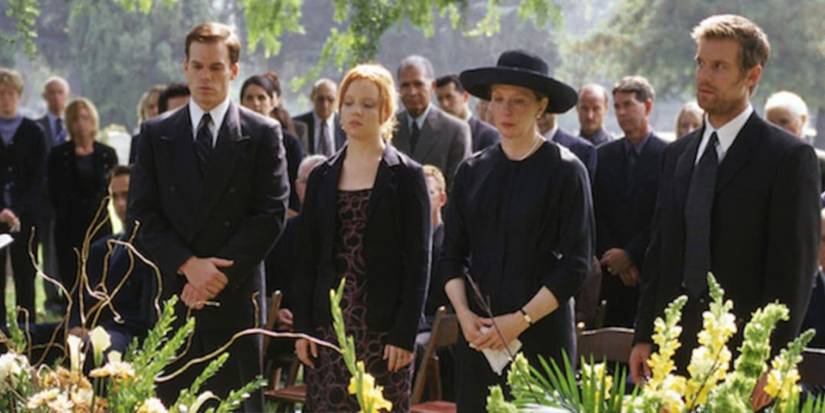
The main characters at a funeral on Six Feet Under
Six Feet Under is unconventional in so many ways that it takes some time for it to establish what it is ultimately trying to be. In the beginning, its dominating tone is an overwhelming melancholy paired with some discomfort. Everyone in the funeral-home-running Fisher family, and everyone in their orbit, is deeply unhappy. They’re also generally likable and understandable, which makes them more heartbreaking.
But with time, Six Feet Under proves to be a genuine celebration of life. Its funeral-of-the-week storytelling structure comes to paint a picture of the importance of a life well-lived. This, paired with the reveal of Nate’s AVM (a brain condition that can essentially cause death at any time with no warning), serves to encourage life lived to the fullest and peace with death rather than fear.
Through refusing to shy away from the images, emotions, and topics that society generally keeps subdued in the public eye, Six Feet Under faces difficult moments head-on and moves through them to come out better on the other side. Fittingly, the show makes its way to a series finale that is widely considered the greatest of all time.
The Leftovers
2014-2017
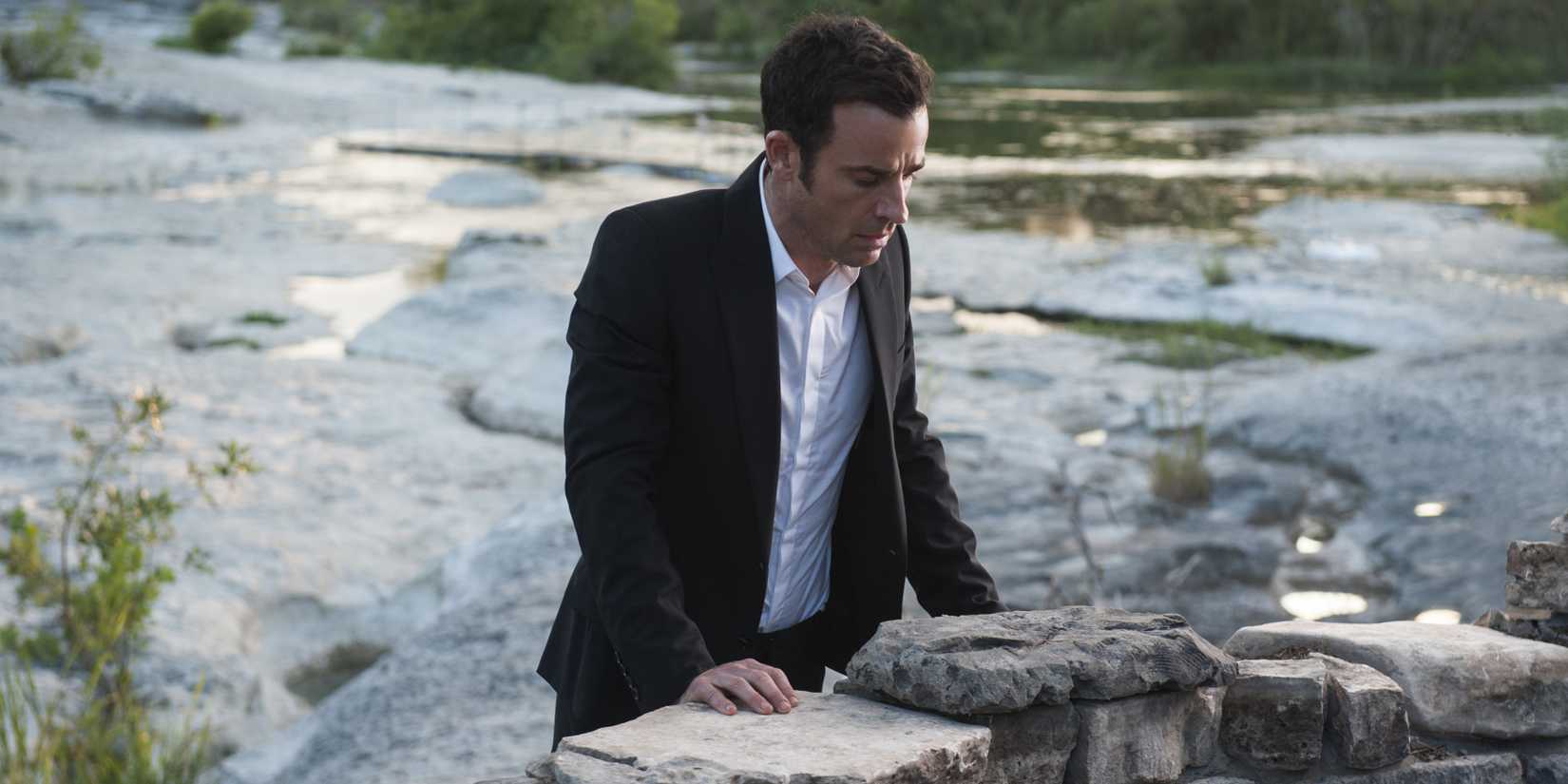
Kevin standing against a stone wall in The Leftovers
The Leftovers is another show that gets better the weirder it allows itself to be. Its premise, the sudden vanishing of 2% of the world’s population into thin air, is instantly compelling. But the show’s second and third seasons expand this world to include an impending apocalypse and a strange purgatory-like plane, and is all the better for it. The more surreal the plot becomes, the more poignant its themes.
From Lost co-creator Damon Lindelof, The Leftovers learns from its predecessor’s mistakes. With a series finale that rivals Six Feet Under, The Leftovers isn’t afraid to explicitly answer its biggest mysteries. While its early episodes are laden with grief and emotional fallout, it’s a slow burn that is guaranteed to take a twisty road to a satisfying conclusion.