
Spacecraft of the future may be able to detect and repair their own structural damage in orbit, a capability that could make long-duration missions and reusable launch vehicles more resilient.
Self-healing materials for spacecraft have been studied for years as engineers look for ways to detect and repair damage that occurs after launch. Now, new work supported by the European Space Agency (ESA) aims to move the concept forward by combining damage detection and repair in a single structural system.
You may like
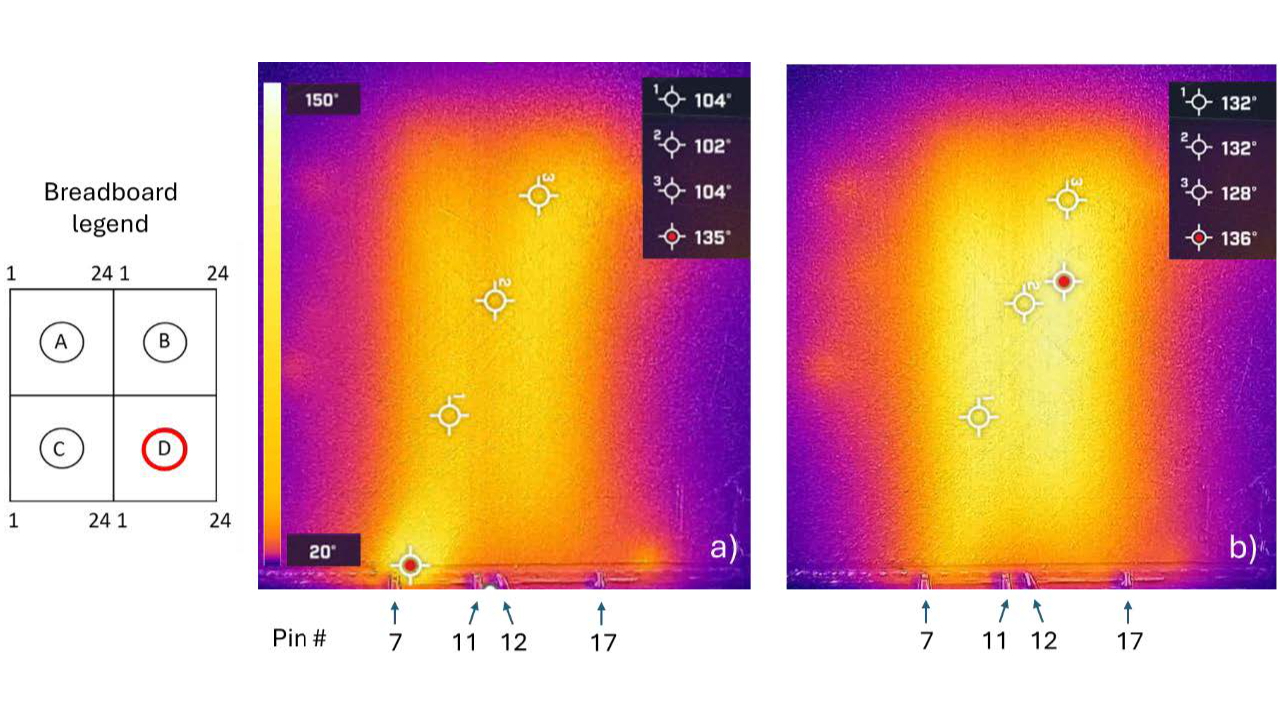
Infrared images of Project Cassandra repair process on a test sample through heating. (Image credit: CompPair)
“Implementing this technology into our systems could have enormous benefits for space transportation,” ESA’s Bernard Decotignie said in the statement. “It will help develop reusable space infrastructure and reduce mission costs. This really proves what European innovation can do for the space sector.”
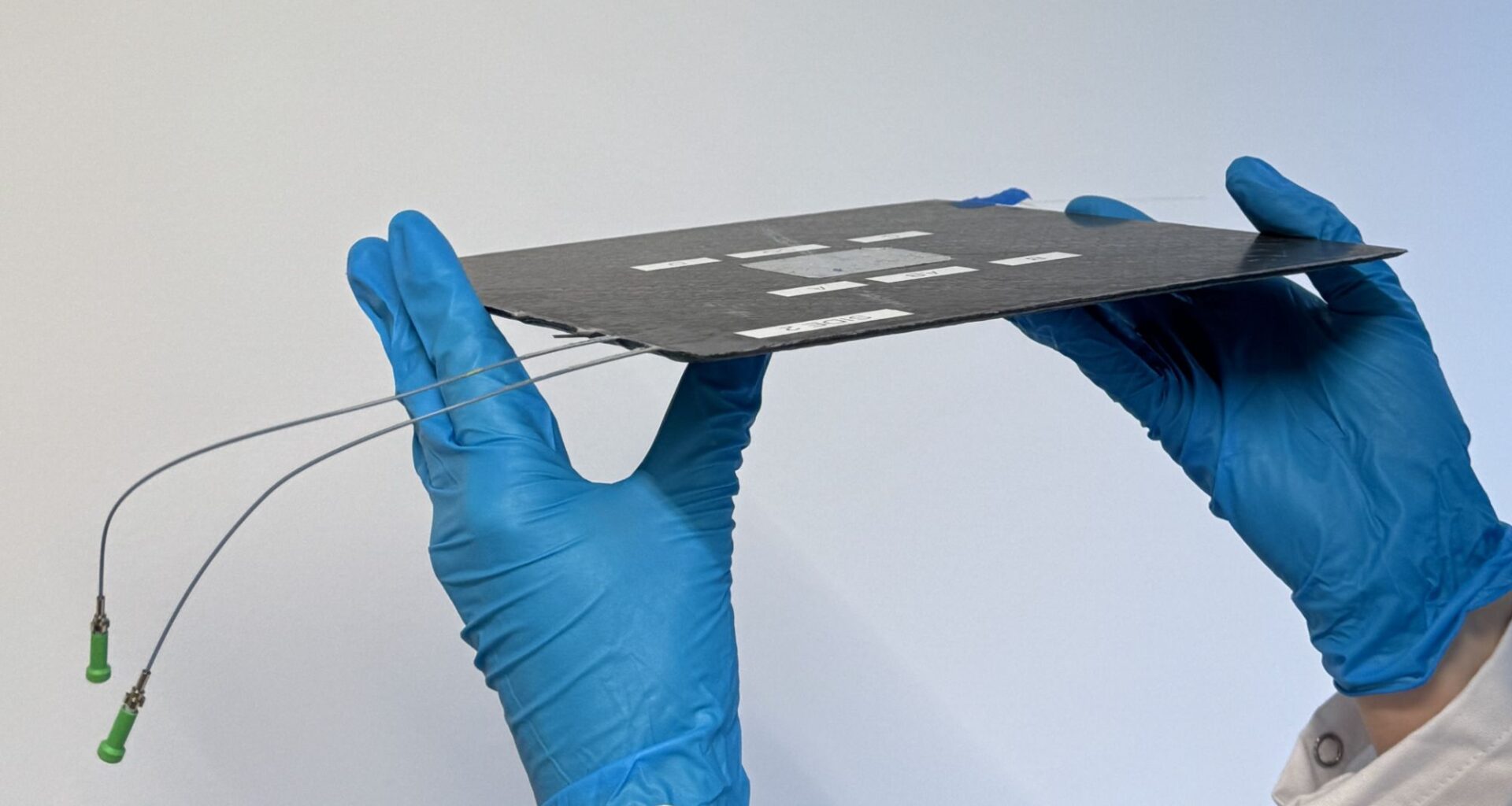
The technology, called Project Cassandra (short for “Composite Autonomous Sensing And Repair”), uses a composite material known as HealTech, which contains a special healing agent embedded within the carbon-fiber layers.
Carbon-fiber composites are widely used in spacecraft because they are lightweight and strong. However, over time they can develop microscopic cracks from launch vibrations, structural stresses or extreme temperature swings. When heated, the HealTech material softens and allows the embedded healing agent to flow into small cracks, bonding damaged areas back together and restoring structural strength, according to the statement.
To detect damage, engineers embedded fiber-optic sensors within the composite layers. These sensors continuously monitor the structure and can pinpoint the location of cracks or other defects. Once damage is detected, a network of small heating elements — arranged in lightweight 3D-printed aluminum grids — warms the affected area to around 212 to 284 degrees Fahrenheit (100 to 140 degrees Celsius), which activates the healing process and allows the material to repair itself.
Researchers have already tested prototype structures ranging from small samples to panels about 16 inches (40 centimeters) wide. Early tests show the system can detect cracks, distribute heat precisely to damaged areas and restore structural strength after repairs. Next, the team plans to test adapting the material to a larger shape such as a complete cryogenic fuel tank.
The development of HealTech is a collaboration between Swiss companies CompPair and CSEM and the Belgian firm Com&Sens, through ESA’s Future Innovation Research in Space Transportation program.
One potential application is reusable space transportation systems, in which vehicles must withstand repeated launch and reentry cycles. Self-repairing structures could reduce inspection time and maintenance costs between flights while extending the lifetime of spacecraft components. The technology may also prove useful for parts exposed to extreme conditions, such as cryogenic propellant tanks that experience dramatic temperature swings.
“I’m thrilled that we have demonstrated that HealTech composites with health monitoring and heating systems show autonomous damage sensing and healing and high resistance to micro-cracking,” Cecilia Scazzoli, head of research and development for CompPair, said in the statement.
“This makes them suited to the demanding requirements of propellant tanks and reusable space structures and paves the way for lighter, more maintainable spacecraft components,” Scazzoli added.