
Published: 10 March 2026
Last updated: 10 March 2026
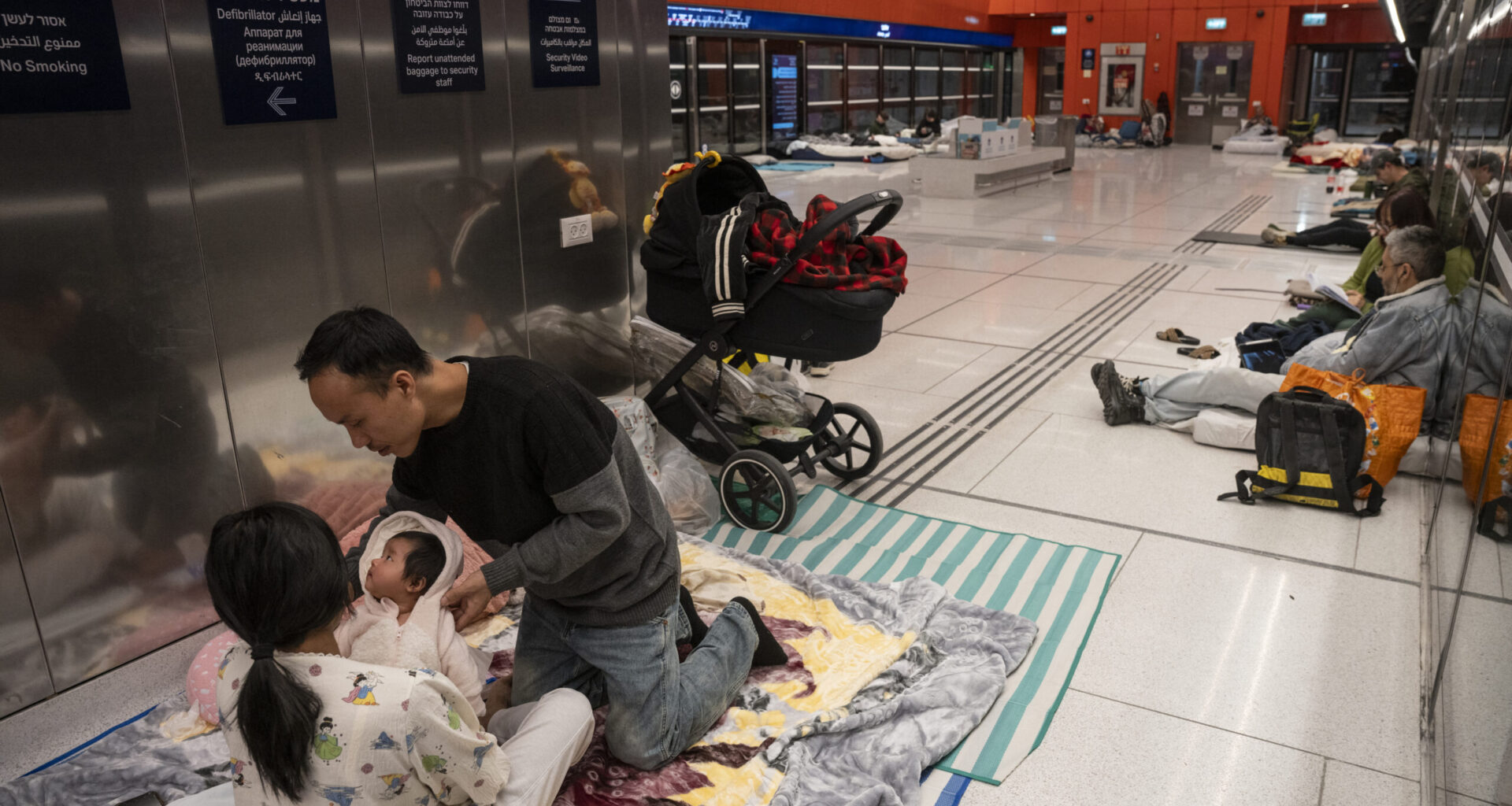
The low number of casualties in Israel relative to Iran or Gaza means Israel is perceived from the outside as almost bullet proof, protected by the iron dome and a network of shelters and safe rooms.
But many Israelis are in fact unprotected and even those who are have no guarantees: two of the nine people killed in the direct hit in Beit Shemesh last week were in a public shelter at the time.
One in three Israelis does not have access to adequate shelter, according to Israel’s State Comptroller and Ombudsman.
Those on the geographical and social periphery are least likely to have suitable shelter: 50% of non-Jewish Israelis do not have access to a shelter.
In the past year the government funded 1500 new shelters, but The Association for Civil Rights in Israel(ACRI) found these were primarily placed in the central Gush Dan area, which are the nearly exclusively Jewish cities of Tel Aviv, Ramat Gan, Petah Tikva, Herzliya, Givatyim and Bat Yam.
Not all shelters are equal
As of data from January 2025 by the Home Front Command, the protection of Israeli residents in a war is the following:
46% – Mamad (Private safe room) or Mamak (internal protected space in a multi-story building
16% – Miklat (communal shelter) on the ground floor or in the basement of a building
5% – Public shelter built in a residential area
33% – No protected space