
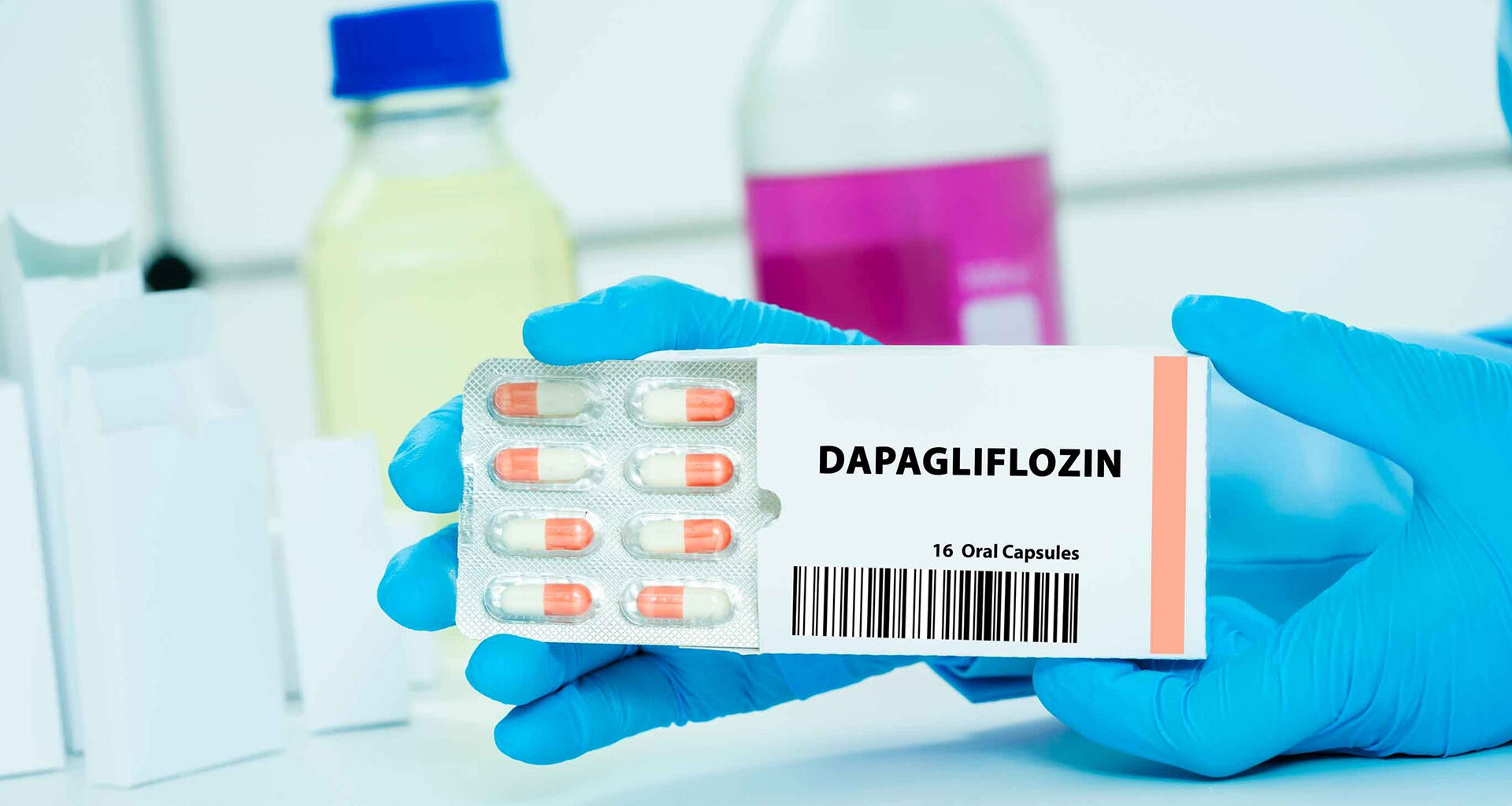
SGLT-2 inhibitor will now be offered to patients with Type 2 diabetes earlier, which will improve outcomes and could save the NHS £560 million over the next two years.
In a move that could help people with Type 2 diabetes, the National Institute for Health and Care Excellence (NICE) has recommended that they be offered a type of medicine called an SGLT-2 inhibitor, known as flozins, much earlier in their treatment.
One of the most commonly prescribed SGLT-2 medicines, dapagliflozin, is now available as a clinically equivalent generic version. The estimated cumulative savings in total over the next two years from generic dapagliflozin would be £560 million.
NICE has said that this money could be reinvested in other areas of diabetes care, such as education programmes and community support services or other parts of the NHS.
Analysis by NICE suggests using SGLT-2 medicines earlier in the treatment pathway, and the introduction of GLP-1 receptor agonists and tirzepatide for some people, could prevent around 17,000 deaths over a three-year period across the UK by reducing the risk of heart attacks, strokes and kidney problems.
“This is a landmark moment for diabetes care. Our independent committee conducted a rigorous review of the evidence and concluded that by offering certain medicines earlier, we can prevent thousands of heart attacks, strokes and cases of kidney failure,” said Eric Power, NICE’s interim director of the centre for guidelines.
Transform treatment
Until now, most people newly diagnosed with Type 2 diabetes have been started on a medicine called metformin. The new NICE guidance recommends that most people should now be offered metformin along with an SGLT-2 inhibitor from the start.
The guidance also recommends that people should be given a slow-release form of metformin. Many people experience stomach upsets with the standard-release form, which can put them off taking their medicine. The slow-release version is easier on the stomach and helps people stay on their treatment, particularly if they experience side effects.
SGLT-2 inhibitors work by helping the kidneys remove excess sugar from the body. But research shows they do much more than control blood sugar by also protecting the heart and kidneys. This is particularly important because heart disease is the leading cause of death in people with Type 2 diabetes.
The new guidance moves away from what NICE calls a “one-size-fits-all approach”. Instead, it sets out different recommendations depending on each person’s circumstances.
People diagnosed with Type 2 diabetes before age 40 face a higher lifetime risk of heart and kidney problems, so may benefit from adding another type of medicine called a GLP-1 receptor agonist (such as semaglutide, dulaglutide and liraglutide) or tirzepatide. Those living with obesity have specific recommendations that take account of their needs. Patients who already have kidney disease or heart failure have tailored recommendations, with SGLT-2 inhibitors offering particular benefits for protecting their kidneys and heart.
“This welcome guidance will transform treatment for people living with type 2 diabetes across the UK,” said Douglas Twenefour, head of clinical at Diabetes UK.