
Among the growing concerns is dengue fever — a mosquito-borne viral disease that has increasingly appeared in urban areas in recent years.
Dengue is transmitted by the Aedes mosquito, a distinctive black mosquito with white markings that tends to bite during the day. Its symptoms often resemble malaria, making diagnosis difficult in rural areas where laboratory testing is limited.
Patients typically experience high fever, severe headaches, joint and muscle pain, pain behind the eyes and extreme fatigue.
Community responsibility
For Tanzania, the rainy season is both a blessing and a burden. While the rains nourish crops, replenish rivers and wetlands and sustain millions of farmers who depend on seasonal harvests, they also bring cascading health risks.
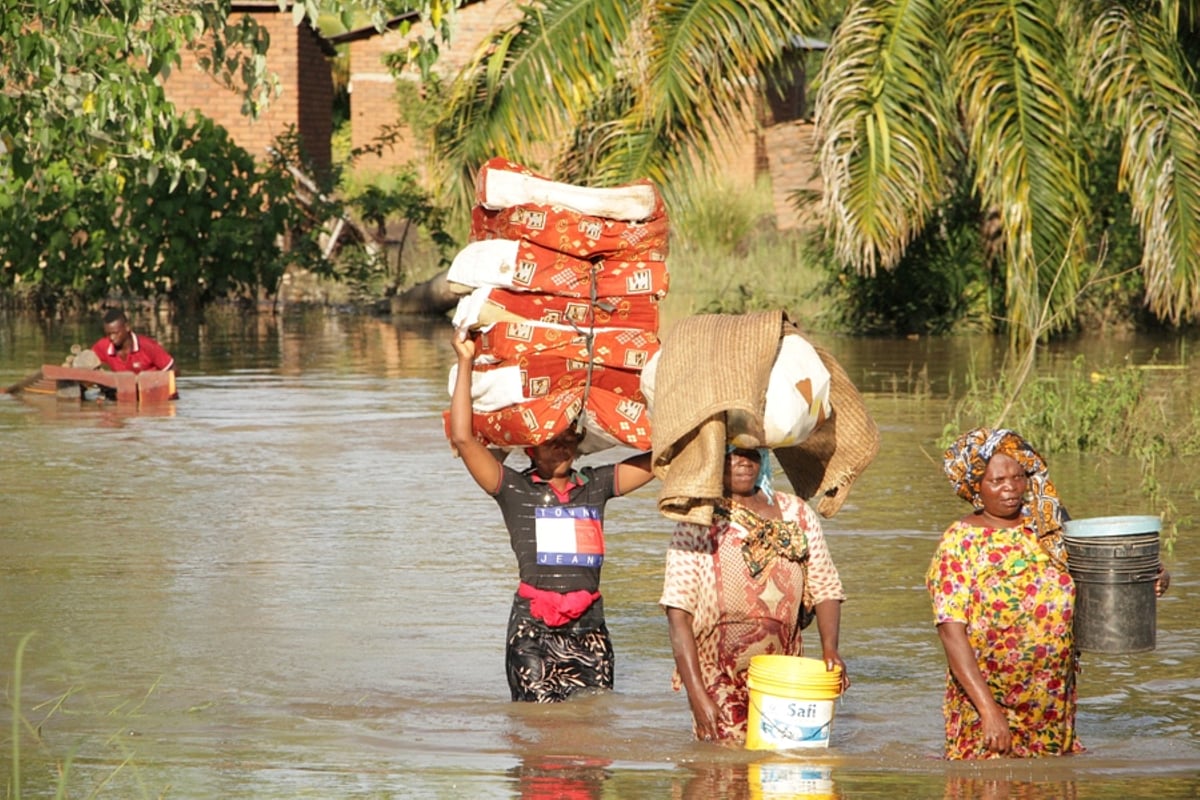
Floodwaters often contaminate water sources, while stagnant pools become breeding grounds for mosquitoes. In crowded settlements, damp conditions and poor ventilation allow respiratory infections to spread rapidly.
Fighting infectious diseases therefore requires strong community vigilance and public awareness, health experts say.
“When flooding occurs, many families are forced to leave their homes and seek temporary shelter, often sharing small spaces with relatives or neighbours,” said Mbogo Kija, an epidemiologist. “Those crowded conditions create an environment where respiratory viruses can spread much more easily from person to person.”
Kija noted that Tanzania’s health system has traditionally prepared for seasonal increases in infectious diseases during the rainy months. However, researchers are increasingly observing changes that suggest a more complex pattern is emerging. “What concerns us is that outbreaks are becoming less predictable,” he explained. “We are beginning to see shifts not only in when these diseases occur, but also in their intensity and in the geographical areas where they are appearing.”
Mosquitoes on the move
The surge of respiratory infections after flooding is often followed by another threat: Malaria.
Stagnant water left behind by heavy rains creates ideal breeding conditions for both malaria and dengue-transmitting mosquitoes.
Once considered relatively rare, dengue fever has re-emerged in Tanzania in recent years, particularly in coastal cities such as Dar es Salaam and Tanga. The disease, transmitted by the Aedes mosquito, causes high fever, severe headaches and joint pain, and can sometimes lead to life-threatening complications.
Health authorities said changing weather patterns are helping the mosquito spread. “The Aedes mosquito thrives in urban environments where water collects in discarded containers, tyres and blocked drainage systems,” said Levina Kasanga, a public health researcher at the Ministry of Health. “After heavy rains, these breeding sites increase rapidly.”
Malaria — long one of Tanzania’s most persistent public health challenges — is also showing signs of shifting patterns. Health officials say some highland areas that historically had lower malaria transmission due to cooler temperatures are now reporting occasional outbreaks.
Inside, a ward at Mlimba Health Centre in Kilombero, the air carries a faint smell of antiseptic and damp clothes. On a metal bed near the window, 15-year-old Neema Samweli lay curled beneath a thin hospital blanket, her small frame trembling despite the humid heat pressing against the glass panes.
Samweli’s eyes were half-open, glassy with fever and a dry cough seized her chest, bending her forward until she gasped for air. Just two days earlier, Samweli had been walking home from school through a flooded neighbourhood. By the next morning, flu-like symptoms had struck hard — a pounding headache, burning throat and a fever so high she could barely stand.
Fatma Suleiman, the doctor in charge at the facility, said many patients arrive with symptoms that resemble malaria. “They come with fever, headaches and severe body pain,” she said. “But when we examine them, sometimes it turns out to be dengue fever.” Public awareness remains limited, she added.
“Many people think mosquitoes only bite at night,” Suleiman said. “But Aedes mosquitoes bite during the day. That is still new information for many communities.”
Changing geography of disease
Perhaps the most profound impact of climate change on health lies in how it alters the geography of disease. Mosquitoes, bacteria and viruses are highly sensitive to environmental conditions. Even small changes in temperature and rainfall can expand or shrink the areas where they thrive.
Across East Africa, temperatures have been rising steadily over the past decades.
“Warmer temperatures allow mosquitoes to survive longer and reproduce faster,” said Ladislaus Chang’a, director general of the Tanzania Meteorological Authority.
One of the most striking changes is occurring in Tanzania’s highlands.
Historically, cooler temperatures limited mosquito survival in high-altitude areas such as parts of Kilimanjaro, Arusha and the Southern Highlands.
Now that boundary is shifting.
“We are seeing malaria transmission zones gradually moving into higher elevations,” Chang’a said.
Climate scientists felt the bigger picture lies in how rainfall patterns are changing. Some years bring intense storms that overwhelm rivers and drainage systems. Others bring prolonged droughts that force families to store water in containers.
Ironically, both extremes help mosquitoes thrive. “During floods, stagnant water accumulates everywhere,” Chang’a said. “During droughts, people store water in containers that also become breeding sites.”